
 EN
EN
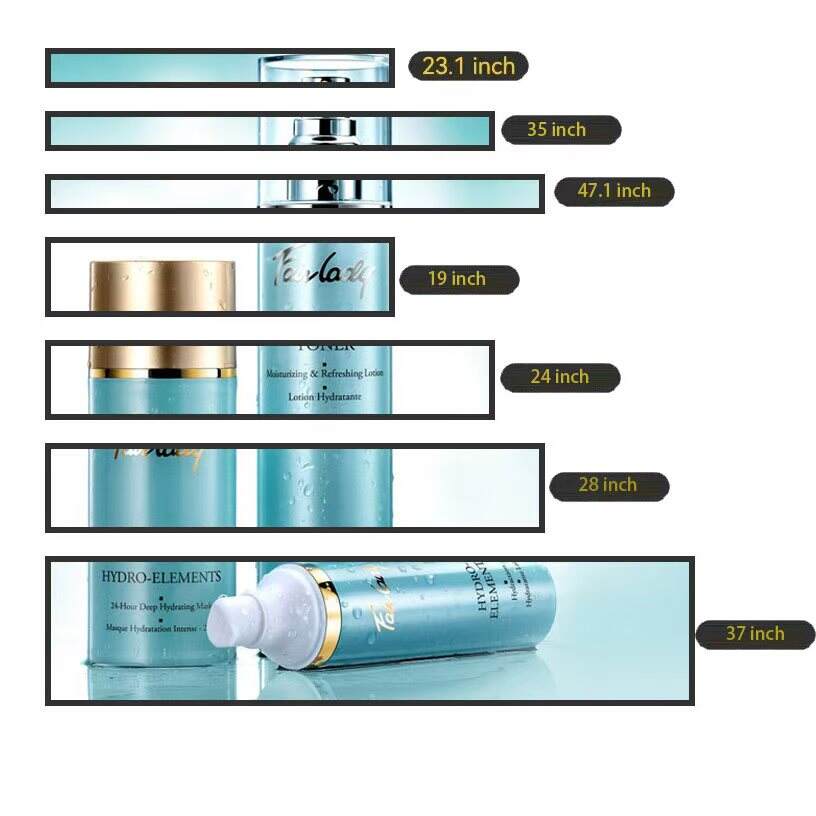
Прозрачните OLED дисплеи представляват революционен пробив в технологията за цифрови табла, предлагайки безпрецедентна визуална привлекателност и функционалност. Тези усъвършенствани екрани комбинират яснотата на традиционните дисплеи с уникалната способност да запазват прозрачността си, създавайки потапящи преживявания, които безупречно интегрират цифровото съдържание с физическата среда. Макар технологията на прозрачните OLED да се различава от конвенционалните кръгли LCD дисплейни системи, разбирането на правилните протоколи за поддръжка е от съществено значение за максимизиране на производителността и продължителността на експлоатацията в търговски приложения.
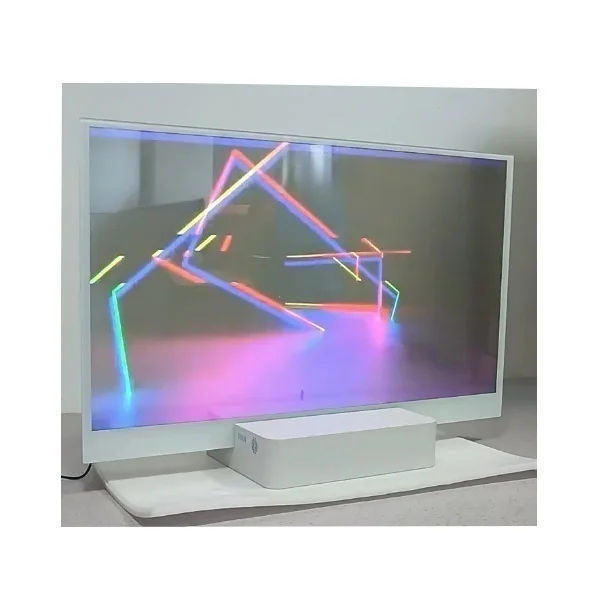
Интегрирането на прозрачни OLED технологии в търговски среди, корпоративни фоайета и изложбени пространства създава нови възможности за ангажиране на клиентски преживявания. За разлика от традиционни кръгли lcd дисплеи, изискващи подсветени панели, прозрачните OLED екрани излъчват собствена светлина чрез органични съединения, което осигурява характерната прозрачна функционалност. Тази основна разлика изисква специализирани подходи за поддръжка, които отчитат уникалните свойства на органичните светлинноизлъчващи материали и тяхната чувствителност към околните фактори.
Профессионалните стратегии за поддръжка на прозрачни OLED дисплеи обхващат множество критични области — от протоколи за почистване на повърхността до системи за мониторинг на околната среда. Прозрачният характер на тези дисплеи изисква внимателно отношение към двете страни на екрана, тъй като проблеми с видимостта могат да възникнат от която и да е от двете посоки. Освен това органичните материали, използвани в OLED технологията, са по-податливи на деградация в сравнение с компонентите на конвенционалните LCD дисплеи, което прави проактивната поддръжка задължителна за осигуряване на устойчиво функциониране.
Разбиране на прозрачната OLED технология и изискванията за нейната поддръжка
Основни компоненти и тяхната уязвимост
Прозрачните OLED дисплеи използват органични съединения, които излъчват светлина при подаване на електрически ток, създавайки ярки изображения, като запазват прозрачността си в неосветените области. Тези органични материали по своята същност са чувствителни към влага, кислород и ултравиолетово излъчване, което изисква по-строги защитни мерки в сравнение с традиционните кръгли LCD дисплейни системи. Слоевете за енкапсулиране, които предпазват тези органични съединения от околната среда, представляват критични точки на потенциален отказ и изискват редовна инспекция и поддръжка.
Пикселната структура на прозрачните OLED е значително различна от тази при кръглите LCD дисплеи, като отделните органични световоди са подредени в прецизни модели, за да се постигне оптимална прозрачност и качество на изображението. Всеки пиксел съдържа няколко субпиксела за червен, зелен и син цвят, както и прозрачни области, които позволяват на светлината да преминава. Тази сложна подредба изисква внимателно обращение по време на почистване и поддръжка, за да се предотвреди повреда на чувствителните органични слоеве.
Колебанията в температурата създават особени предизвикателства за прозрачните OLED дисплеи, тъй като органичните материали могат да се разграждат по-бързо при екстремни условия. За разлика от кръглите LCD дисплеи, които разчитат на системи за подсветка с отделно термично управление, прозрачните OLED генерират топлина директно в органичните слоеве. Тази характеристика изисква сложни системи за термично наблюдение и управление, за да се осигури стабилна производителност и да се предотврати преждевременното разграждане на органичните съединения.
Околни фактори, влияещи върху производителността на дисплея
Контролът на влажността представлява един от най-критичните екологични фактори за поддържането на прозрачните OLED дисплеи, тъй като проникването на влага може да причини необратими повреди на органичните материали. Инкапсулиращите системи, които защитават тези дисплеи, трябва да осигуряват съвършени уплътнения, за да се предотврати достигането на водната пара до органичните слоеве. Редовният мониторинг на нивата на влажност в средата, където са инсталирани дисплеите, помага за идентифициране на потенциални рискове, преди те да компрометират функционалността на дисплея, за разлика от кръглите LCD дисплеи, които обикновено проявяват по-голяма толерантност към влагата.
Околният осветителен режим значително влияе на видимостта и производителността на транспарентните OLED дисплеи, което изисква внимателно отчитане по време на инсталирането и текущата поддръжка. Характеристиката за прозрачност, която отличава тези дисплеи от конвенционалните кръгли LCD дисплейни технологии, означава, че фоновото осветление може да пречи на яснотата и контраста на изображението. Протоколите за поддръжка трябва да включват редовна оценка на осветителните условия и коригиране на параметрите на дисплея, за да се оптимизира видимостта при различни околните условия.
Факторите, свързани с качеството на въздуха – включително прах, замърсители и въздушни частици, – оказват различно въздействие върху прозрачните OLED дисплеи в сравнение с традиционните кръгли LCD дисплейни системи поради двустранното им излагане. Прозрачният характер означава, че замърсяването на която и да е от повърхностите може да повлияе върху качеството на изображението и общия външен вид. Професионалните графици за поддръжка трябва да предвиждат по-често почистване в среди с лошо качество на въздуха или високо ниво на частици.
Протоколи за почистване и защита на повърхностите
Специализирани техники за почистване на прозрачни повърхности
Почистването на прозрачните OLED дисплеи изисква значително различни подходи в сравнение с поддръжката на обикновените кръгли LCD дисплеи, предимно поради необходимостта едновременно да се почистят и двете страни на екрана. Професионалните протоколи за почистване подчертават използването на антистатични почистващи разтвори и безпрахови микрофиброви кърпи, специално проектирани за чувствителни електронни повърхности. Органичният характер на OLED материалите ги прави по-уязвими към повреди от агресивни химикали или абразивни материали, които често се използват при традиционните кръгли LCD дисплейни системи.
Подготовката на повърхността преди почистване включва внимателна инспекция за признаци на повреда, замърсяване или износване, които биха могли да компрометират цялостта на дисплея по време на процеса на почистване. За разлика от кръглите LCD дисплеи с защитни стъклени слоеве, прозрачните OLED дисплеи често имат по-деликатни повърхностни покрития, които изискват внимателно обращение. Последователността на почистването трябва да е методична: започва със сухото премахване на ронливи частици, последвано от внимателното прилагане на одобрени почистващи разтвори с кръгови движения, за да се избегнат следи.
Протоколите за инспекция след почистване гарантират, че по време на поддръжката не са останали остатъци или повреди, като се обръща особено внимание на прозрачните области, които трябва да запазят оптичната си яснота. Процесът на сушене изисква контролиран въздушен поток и температурни условия, за да се предотврати топлинен шок или кондензация на влага, която би могла да повлияе върху органичните материали. Мерките за контрол на качеството включват проверка на нивата на прозрачност и качеството на изображението по цялата повърхност на дисплея – стандарти, които се различават значително от традиционните процедури за поддръжка на кръгли LCD дисплеи.
Прилагане и поддръжка на защитни покрития
Антирефлексните и защитните покрития върху прозрачни OLED дисплеи изискват специализирани подходи за поддръжка, които запазват техните оптични свойства, като едновременно осигуряват продължаваща защита на лежащите органични материали. Тези покрития обикновено са по-съвършени от тези, които се срещат при конвенционални кръгъл LCD дисплей системи, включващи нано-структурирани повърхности и напреднала полимерна химия за постигане на оптимална прозрачност и дълготрайност. Редовната оценка на цялостността на покритията помага да се идентифицират ранни признаци на деградация, които биха могли да компрометират производителността на дисплея.
Нанасянето на защитни филми или слоеве изисква прецизна подравка и професионални техники за инсталиране, за да се избегнат въздушни мехурчета или лепящи остатъци, които биха могли да повлияят на прозрачността. Графиците за поддръжка трябва да включват редовна проверка на тези защитни елементи, с протоколи за подмяна, когато стане видимо износване или повреда. Процесът на подмяна се различава значително от поддръжката на кръгли lcd дисплейи и изисква специализирани инструменти и техники, за да се запази точното оптично подравняване, необходимо за прозрачните дисплеи.
Хидрофобните и олеофобни обработки, прилагани върху прозрачните OLED повърхности, помагат да се намали образуването на отпечатъци от пръсти и водни петна, но тези обработки изискват периодично подновяване, за да се запази ефективността им. Процесът на повторно нанасяне трябва да се контролира внимателно, за да се осигури равномерно покритие, без да се засегнат оптичните свойства на дисплея. Документирането на датите на нанасяне на покритието и метриките за неговата ефективност помага при установяване на оптимални графици за поддръжка, които балансират защитата и експлоатационната ефективност.
Поддръжка на електрическата система и управление на енергията
Мониторинг и оптимизация на захранването
Прозрачните OLED дисплеи изискват по-съвършени системи за управление на енергията в сравнение с традиционните кръгли LCD дисплеи, поради променливите модели на консумация на енергия, свързани с органичното светене. Изискванията за енергия варирали в зависимост от съдържанието на изображението, нивата на яркост и съотношението между прозрачните и осветените области на екрана. Редовният мониторинг на моделите на консумация на енергия помага да се идентифицират потенциални проблеми с деградацията на органичния материал или с проблеми в сочещите вериги, преди те да повлияят на производителността на дисплея.
Системите за регулиране на напрежението за прозрачни OLED дисплеи трябва да осигуряват изключително прецизен контрол, за да се предотвреди повреда на органичните материали, като допуснатите отклонения са значително по-малки в сравнение с тези при конвенционални кръгли LCD дисплеи. Поддържането на захранването включва редовна калибриране на веригите за регулиране на напрежението, проверка на компонентите за подаване на енергия и потвърждение на заземяващите системи. Органичният характер на OLED материалите ги прави особено чувствителни към колебания в захранването, които биха могли да окажат минимално влияние върху традиционните дисплейни технологии.
Системите за резервно захранване и захранване без прекъсване изискват специално внимание при транспарантни OLED инсталации, тъй като внезапните прекъсвания на захранването могат да доведат до неравномерно деградиране на органичните материали. Протоколите за управление на енергията трябва да включват процедури за плавно изключване, които предпазват органичните съединения по време на преходи в захранването. Редовното тестване на резервните системи осигурява надеждна работа по време на смущения в захранването и поддържа постоянната производителност, очаквана от професионални дисплейни инсталации.
Диагностика и калибриране на вериги за управление
Драйверните вериги, които управляват прозрачните OLED дисплеи, включват сложни алгоритми за управление на уникалните характеристики на органичните светоизлъчващи материали и изискват по-сложни диагностични процедури в сравнение с тези, използвани при кръгли LCD дисплейни системи. Тези вериги трябва да компенсират естественото остаряване на органичните съединения, като коригират токовете за задвижване и времевите параметри, за да се поддържа постоянна яркост и точност на цветовете с течение на времето. Редовното диагностично тестване помага да се идентифицира отклонение в тези компенсиращи алгоритми, преди да настъпи забележимо влошаване на производителността.
Процедурите за калибриране на драйверните вериги за прозрачни OLED включват прецизно измерване на светлинния изход, цветовата точност и нивата на прозрачност по цялата повърхност на дисплея. Процесът на калибриране изисква специализирано оборудване, способно да измерва едновременно както характеристиките на преминаващата, така и на излъчваната светлина. За разлика от калибрирането на кръгли LCD дисплеи, което се фокусира предимно върху равномерността на подсветката и цветовата точност, калибрирането на прозрачни OLED трябва също така да потвърждава, че нивата на прозрачност остават постоянни по цялата повърхност на екрана.
Алгоритмите за температурна компенсация в драйверните вериги изискват регулярно актуализиране, за да се отчитат променящите се екологични условия и естествените характеристики на остаряване на органичните материали. Тези алгоритми са значително по-сложни от тези в традиционните кръгли LCD дисплейни системи и включват множество входни сигнали от сензори и прогнозни модели за оптимизиране на производителността. Протоколите за поддръжка трябва да включват регулярна проверка на точността на сензорите и ефективността на алгоритмите, за да се гарантира непрекъснатата оптимизация на характеристиките на дисплея.
Системи за контрол и мониторинг на околната среда
Интеграция на климатичен контрол
Системите за контрол на околната среда за прозрачни OLED дисплеи трябва да поддържат по-строги условия в сравнение с инсталациите, използващи конвенционални кръгли LCD дисплейни технологии, предимно поради чувствителността на органичните материали към температурни и влажностни колебания. Интегрирането на климатични контролни системи изисква непрекъснат мониторинг на околните условия с възможности за автоматично регулиране, за да се реагира на промени в околната среда, които биха могли да повлияят върху работата на дисплея. Професионалното обслужване включва редовна калибрация на сензорите за околната среда и проверка на отговорите на контролния систем.
Системите за контрол на влажността изискват особено внимание, тъй като органичните материали в прозрачните OLED дисплеи могат да започнат да се деградират при нива на влажност, които биха били приемливи за традиционни инсталации на кръгли LCD дисплеи. Системите за енкапсулиране, които защитават органичните материали, разчитат на поддържането на изключително ниски нива на влага в самата дисплейна сглобка. Протоколите за поддръжка трябва да включват редовно тестване на системите със сухо вещество (десикант), проверка на цялостността на уплътненията и наблюдение на вътрешните нива на влажност чрез специализирано измервателно оборудване.
Системите за филтрация на въздуха играят ключова роля за поддържане на оптимални условия за прозрачните OLED дисплеи, като отстраняват твърди частици и химически замърсители, които биха могли да повлияят върху производителността им с течение на времето. Изискванията към филтрацията са по-строги в сравнение с тези за обикновените кръгли LCD дисплеи и често включват HEPA филтрация и среди за химическо абсорбиране. Редовната смяна на филтрите и проверката на работата на системата гарантират непрекъснатата защита на чувствителните органични материали от околните замърсители.
Автоматизирани системи за мониторинг и предупреждение
Напреднали системи за наблюдение за прозрачни OLED инсталации включват множество типове сензори за проследяване на околните условия, електрически параметри и показатели за производителността на дисплея в реално време. Тези системи осигуряват ранно предупреждение за условия, които биха могли да наруши производителността на дисплея, като позволяват превантивни поддържащи мерки, преди проблемите да станат видими за зрителите. Сложността на изискванията за наблюдение надхвърля тази при традиционни системи с кръгли LCD дисплеи поради допълнителната чувствителност на органичните материали към околната среда.
Възможностите за записване на данни и анализ на тенденции помагат на специалистите по поддръжка да идентифицират модели в производителността на дисплеите и околната среда, които биха могли да показват възникващи проблеми. Анализът на исторически данни позволява оптимизиране на графиките за поддръжка и установяване на оптимални работни параметри за конкретни условия на инсталиране. Този предиктивен подход към поддръжката допринася за максимизиране на живота на дисплея, като същевременно минимизира прекъсванията в експлоатацията.
Възможностите за дистанционен мониторинг позволяват на екипите по поддръжка да оценяват състоянието на дисплеите и околните условия от отдалечени местоположения, което осигурява бърз отклик при потенциални проблеми. Комуникационните системи, които поддържат дистанционния мониторинг, трябва да включват резервни връзки и сигурни протоколи за предаване на данни, за да се гарантира надеждна работа. Редовното тестване на комуникационните системи и резервните процедури осигурява непрекъснатата възможност за наблюдение по време на мрежови смущения или повреди на оборудването.
Оптимизация на продължителността на живота и подобряване на производителността
Стратегии за запазване на органични материали
Запазването на органични материали в прозрачните OLED дисплеи изисква комплексни стратегии, които едновременно решават множество механизми на деградация. В отличие от традиционните кръгли LCD дисплейни системи с относително стабилни неорганични материали, органичните съединения подлагат на фотохимична деградация, термичен стрес и химично окисляване с течение на времето. Протоколите за поддръжка трябва да включват редовна оценка на състоянието на органичните материали чрез оптични и електрически методи за тестване, които могат да откриват ранни признаци на деградация.
Стратегиите за оптимизиране на използването помагат да се удължи животът на органичните материали чрез управление на шаблоните на съдържанието, нивата на яркост и работните графици, за да се минимизира напрежението върху чувствителните съединения. Прилагането на алгоритми за преместване на пикселите и графици за ротация на съдържанието помага да се предотврати неравномерното остаряване на органичните материали по повърхността на дисплея. Тези стратегии за оптимизиране са особено важни за прозрачните дисплеи, където ефектите от остаряването могат да бъдат по-видими поради прозрачните характеристики.
Поддържането на защитна атмосфера в корпуса на дисплея изисква сложни системи за управление на газовете, които изключват кислорода и водната пара, като едновременно с това се поддържат оптимални налягане и условия. Целостта на тези защитни атмосфери трябва да се проверява регулярно чрез анализ на газовете и процедури за откриване на течове. Графиците за поддръжка включват периодично подновяване на защитните газове и инспекция на системите за уплътняване, за да се гарантира непрекъснатата защита на органичните материали.
Оптимизация на производителността чрез софтуерни ъпдейти
Софтуерните системи за оптимизация за прозрачни OLED дисплеи включват напреднали алгоритми, които се адаптират към променящите се характеристики на органните материали с течение на времето и осигуряват постоянна производителност при стареене на дисплея. Тези системи са значително по-съвършени в сравнение с тези, използвани в традиционни кръгли lcd дисплейни приложения, и изискват редовни ъпдейти за въвеждане на подобрени компенсационни алгоритми и техники за оптимизация на производителността. Процедурите за поддръжка включват редовни софтуерни ъпдейти и калибриране на параметрите за оптимизация.
Поддържането на точността на цветовете чрез софтуерна компенсация изисква прецизна калибрация на алгоритмите за възпроизвеждане на цветове, за да се отчетат естествените характеристики на остаряване на органичните съединения. Алгоритмите за компенсация трябва да се актуализират редовно въз основа на измерени данни за производителност, за да се осигури точна възпроизвеждане на цветовете през целия жизнен цикъл на дисплея. Този непрекъснат процес на калибриране е по-сложен от този, необходим за конвенционалните кръгли LCD дисплейни системи, поради органичния характер на материалите, излъчващи светлина.
Алгоритмите за оптимизиране на прозрачността гарантират, че прозрачните характеристики на дисплея остават постоянни с течение на времето, компенсирайки всички промени в материалните свойства, които биха могли да повлияят върху оптичната пропускливост. Тези алгоритми изискват регулярна калибрация с помощта на специализирано оптично измервателно оборудване, за да се поддържат оптималните нива на прозрачност. Поддържането на прозрачните характеристики представлява уникален аспект на технологията за прозрачни OLED-дисплеи, който няма аналог в традиционните дисплейни системи.
ЧЗВ
Колко често прозрачните OLED-дисплеи трябва да се почистват професионално?
Професионалното почистване на прозрачни OLED дисплеи трябва да се извършва веднъж на всеки 2–4 седмици в повечето търговски среди, като честотата се коригира според качеството на въздуха и условията на употреба. В зони с висок интензитет на движение или при лошо качество на въздуха може да се налага седмично почистване, за да се осигури оптимална видимост и да се предотврати натрупването на замърсявания. Честотата на почистване обикновено е по-висока в сравнение с тази, необходима за конвенционални кръгли LCD дисплейни системи, поради двустранното им излагане и чувствителността на органичните материали към замърсявания.
Какви екологични условия са най-критични за продължителността на живота на прозрачните OLED дисплеи?
Контролът на температурата между 68-75°F и относителната влажност под 50% са най-критичните околните фактори за продължителността на живот на прозрачни OLED дисплеи. Трябва да се минимизира излагането на пряка слънчева светлина или UV лъчение, а качеството на въздуха трябва да се поддържа чрез подходящи филтриращи системи. Тези изисквания са по-строги в сравнение с тези за традиционни инсталации на кръгли LCD дисплеи поради фоточувствителния характер на органичните съединения и тяхната уязвимост към околната среда.
Могат ли прозрачните OLED дисплеи да бъдат ремонтирани при повреда или трябва да бъдат заменени?
Повредата на най-прозрачните OLED дисплеи обикновено изисква пълна замяна на панела, а не ремонт, тъй като органичните материали и системите за енкапсулиране не могат практически да бъдат достъпни или възстановени след компрометиране. Незначителни повърхностни повреди на защитните покрития може да се поправят чрез професионални процедури за полирване, но всяка повреда на органичните слоеве или системите за енкапсулиране обикновено изисква пълна замяна. Това се различава значително от кръглите LCD дисплейни системи, при които отделни компоненти като задни осветители или контролни платки често могат да се заменят независимо.
Какви са признаците, които показват, че прозрачните OLED дисплеи изискват незабавно професионално внимание?
Предупреждаващи знаци, изискващи незабавно професионално внимание, включват видими тъмни петна или линии, неравномерна яркост или разпределение на цветовете, промени в нивата на прозрачност, мигане или нестабилност, както и всякакви видими повреди по повърхностните покрития. Екологични индикатори като кондензация, необичайно отделяне на топлина или промени в потреблението на електроенергия също изискват незабавно проучване. Ранното намесване е особено важно за прозрачните OLED дисплеи, тъй като деградацията на органичните материали може да напредва бързо след започването ѝ, за разлика от по-постепенните режими на отказ, характерни за кръглите LCD дисплеи.
Съдържание
- Разбиране на прозрачната OLED технология и изискванията за нейната поддръжка
- Протоколи за почистване и защита на повърхностите
- Поддръжка на електрическата система и управление на енергията
- Системи за контрол и мониторинг на околната среда
- Оптимизация на продължителността на живота и подобряване на производителността
-
ЧЗВ
- Колко често прозрачните OLED-дисплеи трябва да се почистват професионално?
- Какви екологични условия са най-критични за продължителността на живота на прозрачните OLED дисплеи?
- Могат ли прозрачните OLED дисплеи да бъдат ремонтирани при повреда или трябва да бъдат заменени?
- Какви са признаците, които показват, че прозрачните OLED дисплеи изискват незабавно професионално внимание?