
 EN
EN
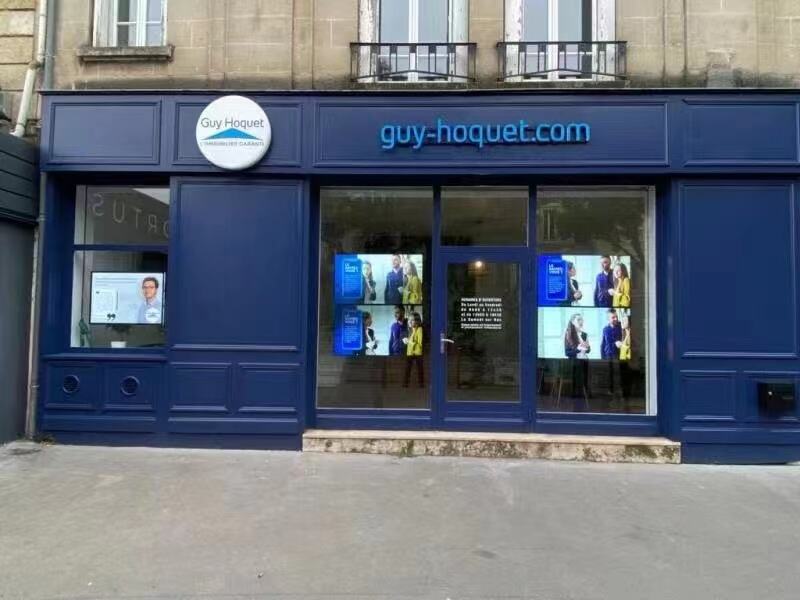
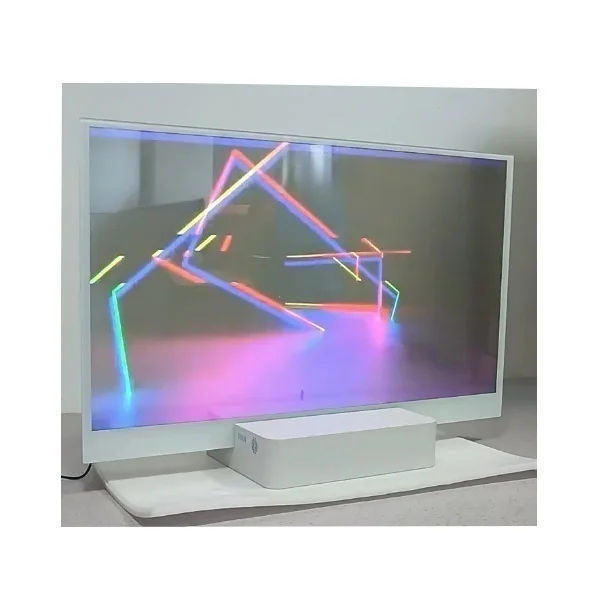
Прозрачните OLED дисплеи представляват революционен напредък във визуалните технологии, който трансформира начина, по който подхождаме към реализацията на големи проекти в различни индустрии. Тези усъвършенствани дисплеи предлагат безпрецедентна универсалност и естетическа привлекателност, което ги прави идеално решение за съвременни архитектурни и търговски приложения. При избора на дисплеи за големи проекти много специалисти разглеждат алтернативи, включително традиционни кръгли LCD дисплейни конфигурации, но технологията на прозрачните OLED осигурява уникални предимства, които надхвърлят далече обичайните ограничения на конвенционалните дисплеи. Интегрирането на прозрачни дисплеи в мащабни проекти изисква внимателно планиране и разбиране както на техническите им възможности, така и на практическото им приложение.
Архитектурна интеграция и приложения в строителното проектиране
Интелигентни фасади на сгради и външни приложения
Прозрачните OLED дисплеи се отличават в приложенията за умни фасади на сгради, където традиционните надписи биха компрометирали архитектурната естетика. Тези дисплеи могат да се интегрират безшевно в стъклени завеси, създавайки динамични рекламни пространства, които запазват прозрачността на сградата по време на неработно време. За разлика от обичайните инсталации с кръгли LCD дисплеи, които изискват специални монтиращи конструкции, прозрачните OLED дисплеи стават част от самата фасада на сградата. Тази технология позволява на архитектите да проектират реактивни фасади, които могат да показват информация, брандинг или художествено съдържание, като едновременно запазват пропускането на естествена светлина и визуалната връзка на сградата с околния й пейзаж.
Голямомащабните архитектурни проекти се възползват значително от интеграцията на прозрачни OLED дисплеи, тъй като тези дисплеи могат да се адаптират към променящите се условия на осветление и ъгли на гледане през целия ден. Дисплеите запазват отлично виждане дори при директна слънчева светлина, което ги прави по-добри от много традиционни дисплейни технологии за външни приложения. Собствениците на сгради могат да генерират допълнителни приходни потоци чрез динамични възможности за реклама, без да компрометират изискания външен вид, който съвременната архитектура изисква.
Вътрешни архитектурни елементи и разделение на пространството
Вътрешните архитектурни приложения на прозрачни OLED дисплеи включват решения за разделяне на пространство, които запазват визуалната свързаност и в същото време осигуряват функционални възможности за показване на информация. Тези инсталации могат да служат като интелигентни разделители на помещения в открити офисни среди, конферентни центрове и обекти от хората и ресторантьорството. Технологията позволява динамична преустройване на пространствата в зависимост от нуждите по отношение на заетостта, като едновременно показва актуална информация или елементи на брандиране. Тази гъвкавост надминава възможностите, които традиционните кръгли lcd дисплеи могат да предложат в смисъла на интеграция в пространството и естетическа изисканост.
Корпоративните централни офиси и висококласните търговски сгради все по-често включват прозрачни OLED дисплеи в своите стратегии за интериорно оформление. Тези дисплеи могат да показват информация за компанията, насочващи материали или интерактивни преживявания, без да създават визуални бариери, които биха фрагментирали пространството. Възможностите за безшевно интегриране правят прозрачните OLED особено ценни за създаване на имерсивни среди, които подобряват потребителското преживяване, без да компрометират архитектурната цялост.
Търговски и комерсиални приложения
Интеграция в премиум търговски магазини
Луксозните търговски среди използват прозрачни OLED дисплеи, за да създадат изискани системи за представяне на продукти, които подобряват видимостта на стоките, като едновременно предлагат динамично маркетингово съдържание. Тези дисплеи могат да бъдат интегрирани в витрините на магазините, създавайки впечатляващи визуални преживявания, които привличат клиенти, без да затрудняват ясния поглед към продуктите и пространствата в интериора. Технологията позволява на търговците да превръщат традиционните витрини в интерактивни преживявания, които ангажират минувачите и увеличават посещаемостта. Това приложение предлага значителни предимства пред конвенционалните инсталации с кръгли LCD дисплеи, които биха препречвали линиите на поглед и биха създали визуални бариери.
Бутици за висококачествена мода и изложбени зали за електроника използват технологията прозрачен OLED, за да създават ефекти на „плаващо“ съдържание, което изглежда обгръща демонстрираните продукти. Това създава премиален покупателски опит, който отличава брандовете на конкурентните търговски пазари. Дисплеите могат да показват информация за продуктите, цени, рекламно съдържание и дори опити с разширена реалност, които подобряват ангажираността на клиентите и стимулират конверсиите в продажби.
Инсталации в търговски центрове и забавителни центрове
Големите търговски центрове и развлекателни комплекси интегрират прозрачни OLED дисплеи в централните атриуми, около ескалаторите и по коридорните стени, за да създадат потопяващи среди за навигация и реклама. Тези инсталации могат да показват насочваща информация, рекламно съдържание и развлекателни програми, като запазват откритото и проветрено усещане, което съвременните търговски пространства изискват. Технологията позволява креативни инсталации, които биха били невъзможни с традиционните дисплейни технологии, включително извити и формовани конфигурации, които следват архитектурните линии.
Развлекателни заведения като казина, тематични паркове и спортни арени използват прозрачни OLED дисплеи, за да създават атмосферни ефекти и да предоставят информация, без да пречат на погледа към основните атракции. Тези приложения изискват дисплейни технологии, които могат да работят надеждно в среди с интензивно движение, като осигуряват последователна визуална производителност. За разлика от стандартните кръгли LCD дисплеи, които може да изискват често поддръжка при тежки условия, прозрачните OLED дисплеи предлагат устойчиви експлоатационни характеристики, подходящи за непрекъснато функциониране в търговски среди.
Транспорт и инфраструктурни проекти
Приложения в летища и транзитни хабове
Основните транспортни възли, включително летища, железопътни гари и автогарите, интегрират прозрачни OLED дисплеи в своята инфраструктура, за да предоставят информация на пътниците, като запазват архитектурната прозрачност и естественото осветление. Тези дисплеи могат да се монтират в прозорците на терминалите, бариерите в конкордите и зоните на гейтовете за поемане на полети, за да показват информация за полетите, насочващи съобщения и рекламни съдържания. Тази технология позволява на транспортните органи да максимизират приходните си възможности чрез динамична реклама, без да се компрометира откритата и гостоприемна атмосфера, която съвременните терминали изискват.
Съображения за сигурност и оперативна експлоатация правят прозрачните OLED дисплеи особено ценни в транспортните приложения, където запазването на ясни линии на видимост е от решаващо значение за безопасността и контрола на тълпата. За разлика от громоздките кръгли lcd дисплеи, които могат да създават визуални препятствия и зони без наблюдение, прозрачните дисплеи осигуряват предоставяне на информация, без да компрометират възможностите за наблюдение или видимостта при евакуация при аварийни ситуации.
Интеграция на инфраструктура на Умни градове
Инициативите за умни градове все по-често включват прозрачни OLED дисплеи в обществената инфраструктура, включително автобусни спирки, пешеходни мостове и обществени площи, за предоставяне на гражданска информация и аварийни съобщения. Тези инсталации трябва да издържат на сурови околните условия, като едновременно осигуряват надеждно предоставяне на информация на гражданите. Технологията позволява на планерите на градовете да създават информационни мрежи, които подобряват качеството на живот в градовете, без да задръстват обществените пространства с традиционни табели.
Приложенията за обществена безопасност печелят от интеграцията на прозрачни OLED дисплейни панели, тъй като тези дисплеи могат да предоставят информация за извънредни ситуации и помощ при навигация по време на кризи, като същевременно запазват визуална връзка, подпомагаща осведомеността за ситуацията. Тази възможност прави прозрачните дисплеи по-добри от конвенционалните кръгли LCD дисплеи за приложения в критична инфраструктура, където запазването на ясни линии на видимост е от съществено значение за операциите по обществена безопасност и сигурност.
Приложения в здравни и образователни заведения
Интеграция в медицински заведения
Здравните заведения използват прозрачни OLED дисплеи, за да създадат системи за информация на пациентите, които осигуряват насочващи и образователни материали, без да създават стерилната и плашеща атмосфера, свързана с традиционните инсталации на дисплеи. Тези дисплеи могат да бъдат интегрирани в чакалните, коридорните стени и преградите на стаите за пациенти, за да предоставят актуална здравна информация и помощ за навигация в заведението. Технологията подпомага принципите на проектиране на среда, насочена към възстановяване, като запазва естествената светлинна пропускливост и визуалната свързаност, които намаляват стреса и тревожността у пациентите.
Хирургичните зали и отделенията за медицинска визуализация имат полза от интеграцията на прозрачни OLED дисплеи, тъй като тези екрани могат да предоставят критично важна информация, без да пречат на зрителните линии или да създават отблясъци, които биха могли да попречат на медицинските процедури. Това приложение изисква технологии за дисплеи, които отговарят на строгите стандарти на здравната индустрия, като осигуряват надеждна производителност в изискващи клинични среди. Възможностите за интеграция надминават това, което традиционните кръгли LCD дисплеи могат да предложат по отношение на икономия на пространство и клинична функционалност.
Прилагане в образователни институции
Университетите и научноизследователските институции интегрират прозрачни OLED дисплеи в библиотечните пространства, студентските центрове и изследователските обекти, за да създадат динамични информационни среди, които подпомагат обучението и сътрудничеството. Тези инсталации могат да показват академични разписания, научни резултати, информация за кампуса и интерактивно образователно съдържание, като запазват отворената и насочена към сътрудничество атмосфера, необходима за съвременните образователни пространства. Тази технология позволява на образователните институции да създават ангажиращи учебни среди, които се адаптират към променящите се педагози.
Лабораторните и изследователските съоръжения извличат полза от прозрачната OLED технология, тъй като тези дисплеи могат да предоставят експериментални данни, информация за безопасност и процедурни насоки, без да заемат ценна работна площ или да създават визуални препятствия. Изследователските среди изискват решения за дисплеи, които се интегрират безупречно в сложните разположения на оборудването, като осигуряват ясно предаване на информация. Тази функционалност прави прозрачните дисплеи по-подходящи в сравнение с конвенционалните кръгъл LCD дисплей опции за сложни изследователски и разработъчни приложения.
Индустриални и производствени приложения
Интеграция в производствени съоръжения
Производствените съоръжения вграждат прозрачни OLED дисплеи в производствената среда, за да предоставят актуални данни за работните операции, информация за безопасността и показатели за качеството, без да създават визуални бариери, които биха могли да затруднят работния процес или наблюдението за безопасност. Тези дисплеи могат да бъдат интегрирани в корпусите на оборудването, прегради на контролните стаи и зони за наблюдение в съоръжението, за да се предава важна информация, като същевременно се осигурява ясна видимост в цялата производствена зона. Технологията позволява на мениджърите на съоръженията да създават всеобхватни информационни мрежи, които подпомагат ефективността на операциите и безопасността на работниците.
Процесите за контрол на качеството и проверка извличат полза от интеграцията на прозрачни OLED дисплеи, тъй като тези дисплеи могат да наслагват данни за измерване, спецификации и процедурни указания директно върху зоните за проверка, без да затварят вида към продуктите или процесите. Тази възможност осигурява значителни предимства в сравнение с традиционните кръгли LCD дисплеи, при които работниците биха трябвало да отклоняват вниманието си от задачите по инспекция, за да виждат информационните екрани.
Приложения в складове и разпределителни центрове
Големите разпределителни центрове използват прозрачни OLED дисплеи, за да създадат интелигентни системи за съхранение и извличане, които предоставят информация за наличностите и насоки за подбор, като осигуряват ясна видимост по цялото време на складовите операции. Тези инсталации могат да бъдат интегрирани в системи за складиране, зони за товарене и разтоварване и сортировъчни съоръжения, за да показват информация за пратките, състоянието на запасите и експлоатационните показатели. Технологията подпомага автоматизирани системи за управление на складове, като запазва отворената видимост, необходима за ефективно управление на материалите и наблюдение на безопасността.
Координацията на логистиката печели от прозрачната OLED технология, тъй като тези дисплеи могат да предоставят информация в реално време за проследяване и графици на доставките, без да създават визуални препятствия, които биха попречили на движението на превозни средства или на безопасността на персонала. Разпределителните обекти изискват дисплейни решения, които предават критична информация, подпомагат ефективни работни процеси и запазват ясни пътища за аварийно евакуиране из целия обект.
ЧЗВ
Какви са основните предимства на прозрачните OLED дисплеи пред традиционните кръгли LCD дисплеи в мащабни проекти?
Прозрачните OLED дисплеи предлагат по-добри възможности за интеграция в сравнение с традиционните кръгли LCD дисплеи, тъй като запазват архитектурната прозрачност и осигуряват динамично предаване на съдържание. Основните предимства включват безпроблемна интеграция в сгради, която запазва естествената светлина, монтиране с икономия на пространство, което избягва нуждата от габаритни скоби, и естетическа изисканост, която подобрява, вместо да намалява, архитектурния дизайн. Тези дисплеи осигуряват и по-добри ъгли на гледане и адаптивност към околната среда, което ги прави по-подходящи за разнообразни големи приложения, където конвенционалните дисплейни технологии биха създали визуални пречки или биха компрометирали цялостния дизайн.
Как околните фактори влияят на производителността на прозрачните OLED дисплеи при големи външни инсталации?
Прозрачните OLED дисплеи демонстрират отлично съпротивление на външни фактори в улични приложения благодарение на напредналите си производствени спецификации и защитни покрития. Тези дисплеи осигуряват стабилна работоспособност в широк диапазон от температури и превъзходна видимост при различни осветителни условия в сравнение с много алтернативни дисплейни технологии. За разлика от традиционните инсталации с кръгли LCD дисплеи, които могат да изпитват намаляване на производителността си поради температурни влияния, прозрачните OLED използват напреднали системи за термичен контрол, които гарантират надеждна работа в изискващи външни условия. Правилните методи за инсталиране и подходящите мерки за защита от външни фактори допълнително повишават тяхната издръжливост и продължителност на експлоатация в улични приложения.
Какви технически аспекти са съществени за успешната интеграция на прозрачни OLED в големи проекти?
Успешната интеграция на прозрачни OLED дисплеи изисква внимателно отношение към енергийната инфраструктура, изискванията за структурна поддръжка и системите за управление на съдържанието, които могат да използват уникалните възможности на технологията за прозрачни дисплеи. Техническото планиране трябва да обхваща мрежовата свързаност за динамична доставка на съдържание, системите за контрол на околната среда, за да се осигурят оптимални работни условия, както и интеграцията с вече съществуващите системи за управление на сгради. В отличие от конвенционалните инсталации на кръгли LCD дисплеи, които функционират като самостоятелни единици, прозрачните OLED системи често изискват сложна интеграция с архитектурни елементи и системи на сградата, което налага тясно сътрудничество между специалистите по дисплейни технологии и проектантите-архитекти по време на етапите на планиране и инсталация.
Как прозрачните OLED дисплеи допринасят за устойчивия архитектурен дизайн и целите за енергийна ефективност?
Прозрачните OLED дисплеи подпомагат устойчивото проектиране на сгради, като осигуряват преминаване на естествена светлина, което намалява необходимостта от изкуствено осветление и запазва връзката с външната среда. Тези дисплеи потребяват значително по-малко енергия в сравнение с традиционните дисплейни технологии, като при това осигуряват превъзходни експлоатационни характеристики, които подпомагат дългосрочната оперативна ефективност. Възможностите за интеграция елиминират необходимостта от отделни монтиращи конструкции и намаляват консумацията на материали в сравнение с конвенционалните инсталации на кръгли LCD дисплеи. Освен това продължителният срок на служба и надеждността на прозрачната OLED технология намаляват изискванията за поддръжка и честотата на замяна, което допринася за постигането на общите цели за устойчивост на проекта и оптимизация на жизнения цикъл и разходите при мащабни реализации.
Съдържание
- Архитектурна интеграция и приложения в строителното проектиране
- Търговски и комерсиални приложения
- Транспорт и инфраструктурни проекти
- Приложения в здравни и образователни заведения
- Индустриални и производствени приложения
-
ЧЗВ
- Какви са основните предимства на прозрачните OLED дисплеи пред традиционните кръгли LCD дисплеи в мащабни проекти?
- Как околните фактори влияят на производителността на прозрачните OLED дисплеи при големи външни инсталации?
- Какви технически аспекти са съществени за успешната интеграция на прозрачни OLED в големи проекти?
- Как прозрачните OLED дисплеи допринасят за устойчивия архитектурен дизайн и целите за енергийна ефективност?