
 EN
EN
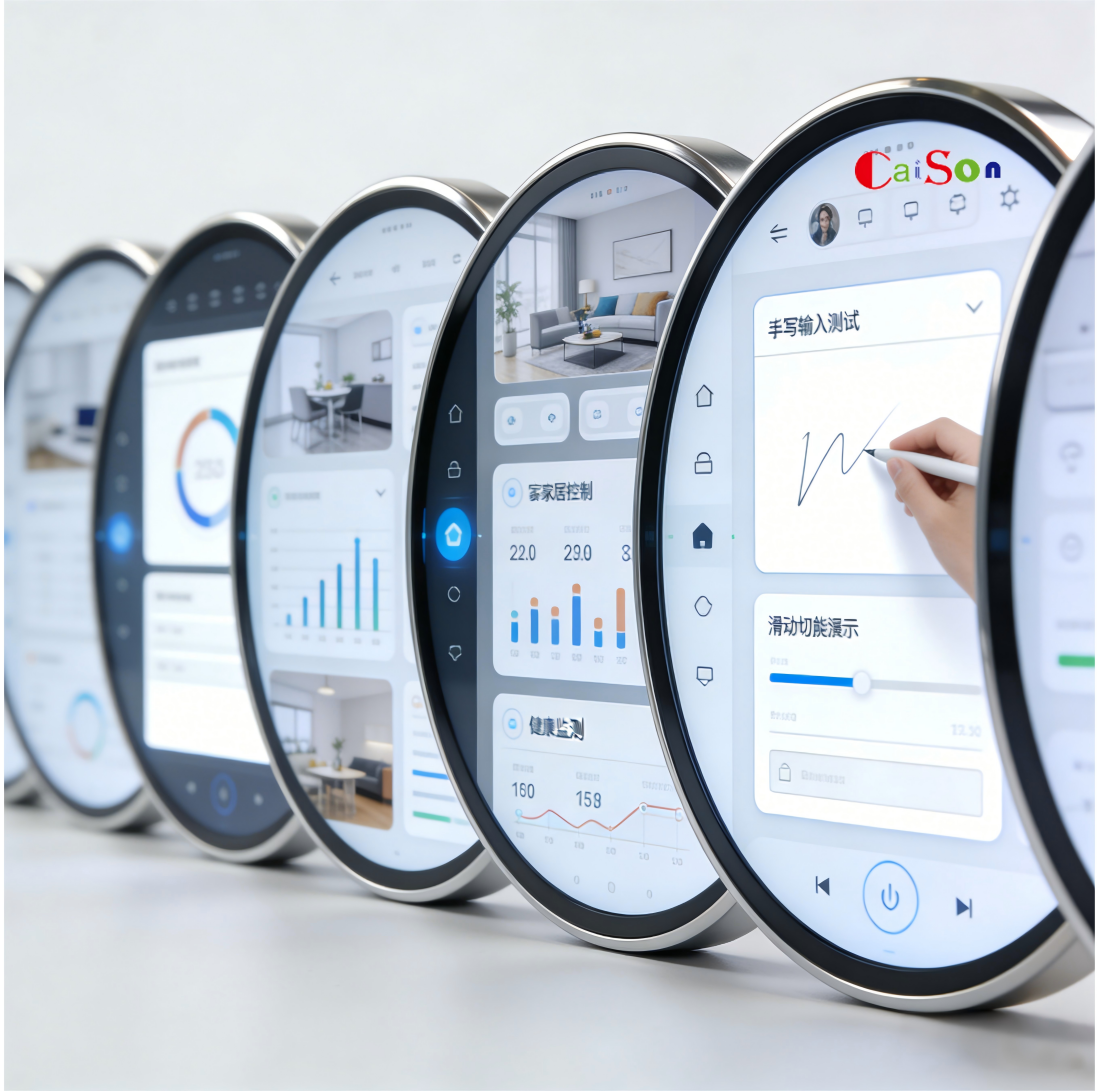
Integrácia technológie transparentných OLED do sklenených štruktúr predstavuje jednu z najrevolučnejších vývojov v modernej technológii displejov a architektonickom návrhu. Tento inovatívny prístup mení obyčajné sklenené povrchy na dynamické, interaktívne digitálne plátna, pričom zachováva ich základné vlastnosti priehľadnosti. Keďže odvetvia stále viac hľadajú bezproblémovú integráciu digitálnych prvkov do fyzických priestorov, transparentné OLED displeje ponúkajú bezprecedentné možnosti pre vytváranie ponúrkových prostredí, ktoré bez námahy spájajú digitálny a fyzický svet.
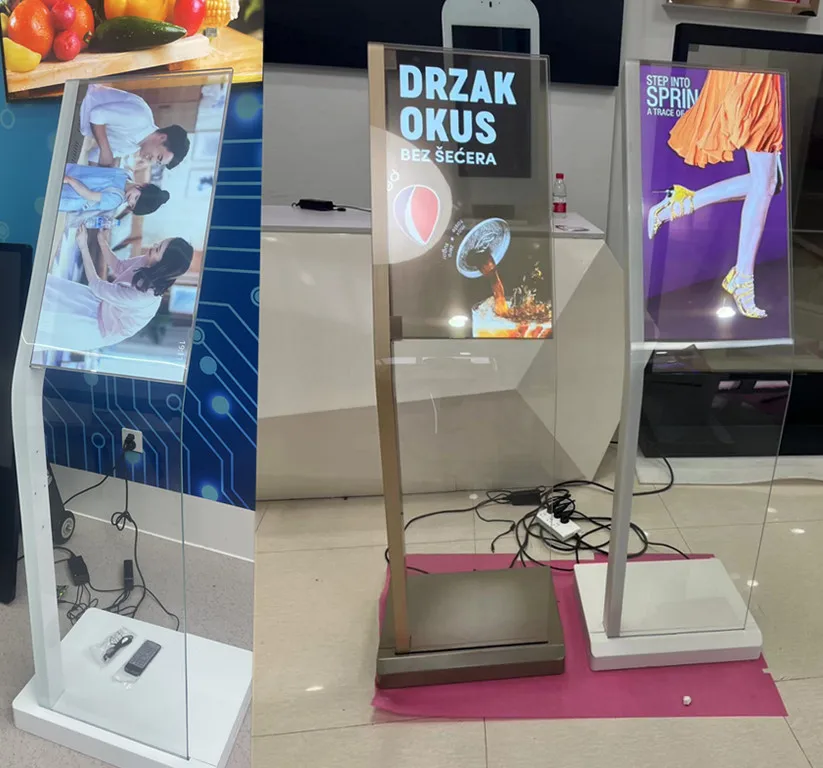
Architektonické aplikácie technológie transparentných OLED sa rozširujú ďaleko za tradičné koncepty displejov a umožňujú dizajnérom a inžinierom znovu premyslieť, ako sa informácie prezentujú v priestoroch vytvorených človekom. Od kancelárií korporácií po obchodné priestory bezproblémová integrácia týchto displejov do sklenených fasád, prepážok a okien vytvára nové možnosti pre komunikáciu, značkovanie a zapájanie používateľov. Schopnosť tejto technológie zachovať vizuálnu spojitosť pri súčasnom poskytovaní dynamického obsahu ju robí ideálnym riešením pre moderné architektonické výzvy.
Metódy architektonickej integrácie transparentných OLED displejov
Integrácia do konštrukčných sklenených panelov
Integrácia priehľadných OLED panelov do konštrukčných sklenných systémov vyžaduje dôkladné zváženie mechanických aj elektrických požiadaviek. Moderné architektonické sklenné konštrukcie môžu tieto displeje prijať prostredníctvom špeciálnych upevňovacích systémov, ktoré zachovávajú celistvosť budovovej obálky a zároveň poskytujú potrebné napájacie a dátové pripojenia. Technológia priehľadných OLED umožňuje bezproblémovú integráciu bez kompromitovania estetickej hodnoty sklenných fasád.
Inžinieri musia pri začlenení priehľadných OLED displejov do nosných sklenných konštrukcií zohľadniť faktory, ako je tepelná rozťažnosť, vetrové zaťaženie a seizmické požiadavky. Nízka hmotnosť týchto displejov ich robí ideálnymi kandidátmi na integráciu do systémov oplášťovania (curtain wall), kde by tradičné ťažké displeje vytvorili štrukturálne problémy. Správne tesnenie a ochrana proti počasiu zabezpečujú dlhodobú spoľahlivosť pri vonkajších aplikáciách.
Vnútorné sklenené deliace systémy
Interiérové sklenené predelné steny ponúkajú vynikajúce možnosti pre integráciu transparentných OLED displejov, najmä v kanceláriových prostrediach a komerčných priestoroch. Tieto inštalácie umožňujú vytvárať dynamické obrazovky na zabezpečenie súkromia, ktoré sa môžu prepínať medzi transparentným a neprahľadným stavom a zároveň zobrazovať relevantné informácie alebo prvky značky. Táto technológia umožňuje architektom navrhovať flexibilné priestory, ktoré sa prispôsobujú meniacim sa funkčným požiadavkám počas dňa.
Proces integrácie vyžaduje starostlivé plánovanie elektrickej infraštruktúry na podporu transparentných OLED displejov bez kompromitovania čistého estetického dojmu systémov sklenených predelných stien. Riešenia pre správu káblov musia byť začlenené do konštrukčného rámca tak, aby napájacie a dátové pripojenia zostali skryté, pričom zároveň umožnia ľahký prístup na účely údržby a modernizácie.
Stratégie technickej implementácie
Rozvod elektrickej energie a správa káblov
Úspešná integrácia priehľadných OLED displejov do sklenených konštrukcií vyžaduje sofistikované stratégie distribúcie energie, ktoré zachovávajú vizuálnu celistvosť inštalácie. Systémy dodávky energie musia byť navrhnuté tak, aby minimalizovali vizuálny dopad a zároveň zabezpečovali spoľahlivý chod displejov. To často zahŕňa použitie ultra-tenkých káblov a špeciálneho konektorov, ktoré možno bezproblémovo integrovať do systémov sklenených rámov.
Riešenia pre správu káblov pri inštaláciách priehľadných OLED displejov zvyčajne zahŕňajú vedenie napájacích a dátových pripojení cez štrukturálne prvky skleneného systému. Tento prístup vyžaduje koordináciu medzi výrobcami displejov, dodávateľmi skla a elektromontérmi, aby sa zabezpečila kompatibilita a dlhodobá spoľahlivosť. Pre aplikácie, kde je vedenie káblov problematické, sa tiež preskúmava použitie technológií bezdrôtovej prenosu energie.
Kontrola a ochrana prostredia
Environmentálne aspekty zohrávajú kľúčovú úlohu pri úspešnej integrácii transparentnej technológie OLED do sklenených konštrukcií. Musia byť implementované systémy regulácie teploty, aby sa udržali optimálne prevádzkové podmienky pre displeje a zároveň sa zabránilo kondenzácii a tepelnej deformácii sklenených komponentov. Kontrola vlhkosti je obzvlášť dôležitá pri vonkajších aplikáciách, kde sa počasie môže výrazne meniť.
Ochranné systémy pre transparentné displeje OLED zahŕňajú filtráciu UV žiarenia, odolnosť voči nárazu a antireflexné povlaky, ktoré zvyšujú viditeľnosť a zároveň chránia citlivé komponenty displeja. Tieto ochranné opatrenia je potrebné starostlivo integrovať do celkovej návrhovej koncepcie sklenenej sústavy tak, aby sa zachovala priehľadnosť a optická kvalita a zároveň sa zabezpečila dlhodobá trvanlivosť inštalácie.
Zohľadnenie návrhu a estetická integrácia
Vizuálna kontinuita a kontrola priehľadnosti
Dosiahnutie bezševného vizuálneho začlenenia transparentný OLED zobrazovacie prvky vyžadujú dôkladnú pozornosť venovanú úrovni priehľadnosti a zhode farieb s okolitými sklenenými prvkami. Navrhovatelia musia zohľadniť, ako sa zobrazovacie prvky budú javiť v aktívnom aj neaktívnom stave, aby sa v každom prípade dobre dopĺňali celkový estetický dojem priestoru bez ohľadu na ich prevádzkový stav.
Systémy riadenia farebnej teploty a jasnosti umožňujú transparentným OLED displejom prispôsobiť sa meniacim sa podmienkam okolitého osvetlenia počas dňa. Táto adaptívna schopnosť zabezpečuje, že displeje zostanú viditeľné a esteticky príjemné v rôznych svetelných podmienkach – od jasného denného svetla až po umelé večerné osvetlenie. Integrácia senzorov svetla a automatizovaných riadiacich systémov zvyšuje kvalitu používateľského zážitku a súčasne zníži spotrebu energie.
Návrh obsahu a optimalizácia zobrazenia
Vytváranie obsahu pre priehľadné OLED displeje integrované do sklenených štruktúr vyžaduje špecializované návrhové prístupy, ktoré využívajú jedinečné vlastnosti priehľadnosti. Grafické prvky je potrebné optimalizovať tak, aby zabezpečovali jasnú viditeľnosť a zároveň zachovali priehľadnú kvalitu, ktorá robí tieto displeje atraktívnymi pre architektonické aplikácie. Často sa to dosahuje použitím prvkov s vysokým kontrastom a strategickým umiestnením nepriehľadných oblastí.
Interaktívne možnosti moderných priehľadných OLED displejov umožňujú vytvárať zaujímavé užívateľské zážitky, ktoré reagujú na dotyk a snímanie blízkosti. Tieto funkcie pridávajú hodnotu architektonickým inštaláciám tým, že poskytujú informácie o orientácii v priestore, prístup k službám budov a interaktívnu distribúciu obsahu, čím rozširujú funkčnosť sklenených štruktúr nad rámec ich tradičnej úlohy ako bariér alebo obvodových konštrukcií.
Inštalačné a údržbové protokoly
Požiadavky na profesionálnu inštaláciu
Inštalácia priehľadných OLED displejov do sklenených konštrukcií vyžaduje špecializované odborné znalosti v oblasti techník zasklenia aj elektronických displejov. Inštalačné tímy musia byť vyškolené v správnych postupoch manipulácie so sklenenými komponentmi aj citlivými prvkami displejov, aby sa zabránilo poškodeniu počas inštalačného procesu. Koordinácia medzi viacerými remeslami je nevyhnutná na zabezpečenie úspešnej integrácie.
Správne inštalačné techniky zahŕňajú použitie špeciálneho zdvíhacieho zariadenia pre veľké priehľadné OLED panely a presné systémy zarovnania, ktoré zabezpečujú dokonalú integráciu s existujúcimi sklenenými konštrukciami. Postupy kontroly kvality musia byť implementované v každej fáze inštalácie, aby sa pred konečným uvedením systému do prevádzky overila jeho správna funkčnosť aj estetické zarovnanie.
Dlhodobá údržba a podpora
Údržbové protokoly pre inštalácie transparentných OLED musia riešiť nielen technológiu displeja, ale aj štrukturálne sklenené prvky. Musia byť vypracované pravidelné postupy čistenia, ktoré zachovávajú priehľadnosť bez poškodenia citlivých povrchov displeja. Do návrhu musia byť začlenené prístupové možnosti, aby sa umožnila údržba bez nutnosti úplného rozoberania sklenených konštrukcií.
Preventívne údržbové plány pre transparentné OLED systémy zvyčajne zahŕňajú pravidelné kontrolu elektrických spojení, čistenie optických povrchov a monitorovanie environmentálnych podmienok. Možnosti diaľkového monitorovania umožňujú preventívny prístup k údržbe, ktorý dokáže identifikovať potenciálne problémy ešte predtým, než ovplyvnia výkon displeja alebo štrukturálnu celistvosť.
Aplikácie a prípady použitia
Komerčné a retailové prostredia
Obchodné prostredia významne profitujú z integrácie priehľadných OLED do sklenených konštrukcií, čo umožňuje dynamické výkladné plochy, ktoré lákajú zákazníkov a zároveň zachovávajú prehľad do obchodného priestoru. Tieto inštalácie môžu zobrazovať propagačný obsah, informácie o výrobkoch a značkové správy, pričom zachovávajú otvorenú a pozývajúcu atmosféru, ktorú poskytujú sklenené výkladné plochy. Táto technológia umožňuje obchodníkom maximalizovať účinok svojej reklamy bez obetovania cennej výkladnej plochy.
Nákupné strediská a komerčné komplexy využívajú technológiu priehľadných OLED v sklenených prepážkach a informačných tabuliach na poskytovanie navigačných informácií a propagačného obsahu. Možnosť vzdialenej aktualizácie obsahu umožňuje manažérom prevádzok rýchlo reagovať na meniace sa požiadavky nájomcov a propagačné kampane, pričom udržiavajú moderný a vysoko technologický vzhľad, ktorý láka súčasných spotrebiteľov.
Firemné a inštitucionálne aplikácie
Podnikové prostredia využívajú priehľadné OLED displeje integrované do sklenených stien konferenčných miestností a deliacich systémov, aby vytvorili dynamické priestory na stretnutia, ktoré môžu zobrazovať prezentácie, obsah videohovorov a spolupracujúce materiály. Priehľadnosť týchto displejov umožňuje flexibilné využitie priestoru pri zároveň poskytovaní vizuálnych komunikačných možností vysokej kvality, ktoré zvyšujú produktivitu a spoluprácu.
Vzdelávacie inštitúcie a zdravotnícke zariadenia profitujú z integrácie priehľadných OLED displejov do sklenených konštrukcií prostredníctvom vylepšených systémov doručovania informácií, ktoré poskytujú smery, rozvrhy a dôležité oznámenia bez blokovania prirodzeného svetla alebo vytvárania vizuálnych bariér. Táto technológia umožňuje vytvoriť otvorenejšie a prívetivejšie prostredia pri zachovaní nevyhnutných komunikačných možností.
Budúce vývoje a inovácie
Pokročilé výrobné techniky
Nové výrobné procesy pre technológiu transparentných OLED sľubujú zníženie nákladov a zlepšenie možností integrácie do aplikácií so sklenenou štruktúrou. Pokročilé metódy usadzovania a technológie flexibilných podkladov umožňujú vytváranie väčších displejov s vyššou priehľadnosťou a menšou hrúbkou, čo ich robí ešte vhodnejšími pre architektonickú integráciu.
Výskum v oblasti výrobných procesov typu roll-to-roll pre transparentné OLED displeje by mohol revolucionizovať tento priemysel tým, že umožní nákladovo efektívnu výrobu displejov veľkého formátu, ktoré sa dajú ľahko integrovať do štandardných výrobných procesov skla. Tieto rozvojové trendy by mohli urobiť technológiu transparentných OLED dostupnejšou pre širšiu škálu architektonických aplikácií a typov budov.
Integrácia inteligentných budov
Integrácia priehľadných OLED displejov so systémami inteligentných budov vytvára príležitosti pre reaktívne prostredia, ktoré sa prispôsobujú vzorom obsadenia, počasím a požiadavkám na správu energie. Tieto systémy môžu automaticky upravovať obsah zobrazenia a úroveň priehľadnosti, aby optimalizovali zároveň užívateľské zažitie aj prevádzkové výkony budovy, čo predstavuje významný pokrok v oblasti schopností inteligentných budov.
Budúce rozvojové trendy v oblasti technológie priehľadných OLED displejov môžu zahŕňať integráciu s fotovoltaickými systémami integrovanými do budov, čím vzniknú sklenené konštrukcie, ktoré sú schopné nielen zobrazovať informácie, ale aj vyrábať obnoviteľnú energiu. Toto prekrývanie technológií by mohlo premieniť fasády budov na multifunkčné povrchy, ktoré sú súčasne určené na komunikáciu, estetické účely a výrobu energie.
Často kladené otázky
Aké sú hlavné štrukturálne aspekty pri integrácii priehľadných OLED displejov do sklenených budov?
Štrukturálne aspekty integrácie priehľadných OLED displejov zahŕňajú analýzu nosnej kapacity, prispôsobenie sa tepelnej expanzii a dodržiavanie požiadaviek na odolnosť voči zemetraseniam. Montážne systémy musia rovnomerne rozdeľovať hmotnosť displeja, zároveň zachovávať tesnenie proti počasiu a umožňovať tepelné posuny. Inžinieri musia tiež brať do úvahy vetrové zaťaženie a zabezpečiť, aby elektrické pripojenia nepoškodili štrukturálnu celistvosť ani výkon budovovej obálky.
Ako ovplyvňujú environmentálne faktory výkon priehľadných OLED displejov v sklenených konštrukciách?
Environmentálne faktory výrazne ovplyvňujú výkon priehľadných OLED displejov, pričom hlavnými obavami sú teplota a vlhkosť. Extrémne teploty môžu ovplyvniť životnosť displeja a kvalitu obrazu, zatiaľ čo vlhkosť môže spôsobiť problémy s kondenzáciou. Vystavenie ultrafialovému žiareniu zo slnečného svetla vyžaduje ochranné povlaky a pre udržanie optimálnych prevádzkových podmienok za rôznych počasnostných podmienok je potrebné integrovať vhodné vetracie systémy.
Aké požiadavky na údržbu sú špecifické pre inštalácie transparentných OLED displejov v architektonickom skle?
Údržba architektonických transparentných OLED inštalácií vyžaduje špeciálne postupy čistenia pomocou schválených roztokov, ktoré nepoškodia zobrazovacie povrchy ani neznížia priehľadnosť. Pravidelná kontrola tesnení a elektrických spojení je nevyhnutná, rovnako ako monitorovanie environmentálnych podmienok. Počas návrhu musia byť zohľadnené prístupové možnosti, aby sa umožnila údržba bez narušenia prevádzky budovy alebo potreby drahých systémov lešení.
Ako sa technológia transparentných OLED displejov porovnáva s tradičnými zobrazovacími riešeniami pre integráciu do skla?
Transparentná technológia OLED ponúka výborné možnosti integrácie v porovnaní s tradičnými displejmi vďaka svojej prirodzenej priehľadnosti, tenkému profilu a flexibilným možnostiam montáže. Na rozdiel od konvenčných displejov, ktoré vytvárajú vizuálne prekážky, transparentný OLED zachováva výhľad, pričom zároveň poskytuje reprodukciu obrazu vysokj kvality. Táto technológia vyžaduje menej úprav konštrukcie a umožňuje viac kreatívnych architektonických aplikácií v porovnaní s tradičnými riešeniami displejov.
Obsah
- Metódy architektonickej integrácie transparentných OLED displejov
- Stratégie technickej implementácie
- Zohľadnenie návrhu a estetická integrácia
- Inštalačné a údržbové protokoly
- Aplikácie a prípady použitia
- Budúce vývoje a inovácie
-
Často kladené otázky
- Aké sú hlavné štrukturálne aspekty pri integrácii priehľadných OLED displejov do sklenených budov?
- Ako ovplyvňujú environmentálne faktory výkon priehľadných OLED displejov v sklenených konštrukciách?
- Aké požiadavky na údržbu sú špecifické pre inštalácie transparentných OLED displejov v architektonickom skle?
- Ako sa technológia transparentných OLED displejov porovnáva s tradičnými zobrazovacími riešeniami pre integráciu do skla?