
 EN
EN
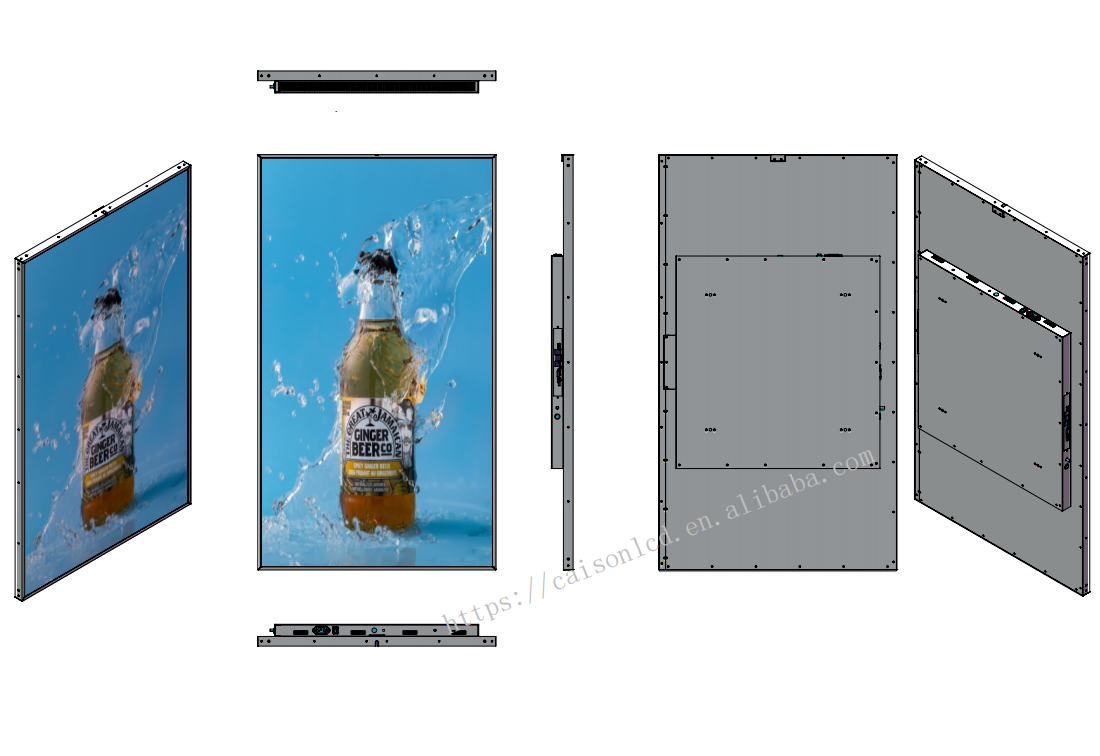
Markedet for kommersielle skjermer har opplevd en uten like vækst med innovative teknologier som kombinerer funksjonalitet med estetisk appell. Moderne bedrifter søker i økende grad visningsløsninger som tilbyr både visuell innvirkning og praktisk mangfoldighet, noe som har ført til en kraftig økning i etterspørselen etter spesialiserte skjermteknologier. Blant disse nye løsningene har gjennomsiktige skjermer vunnet betydelig oppmerksomhet, selv om mange kommersielle anvendelser fremdeles er sterkt avhengige av tradisjonelle runde LCD-skjermkonfigurasjoner på grunn av deres beviste pålitelighet og kostnadseffektivitet. Å forstå forskjellene mellom ulike skjermteknologier blir avgjørende når man skal velge den optimale løsningen for spesifikke kommersielle miljøer og brukerkrav.
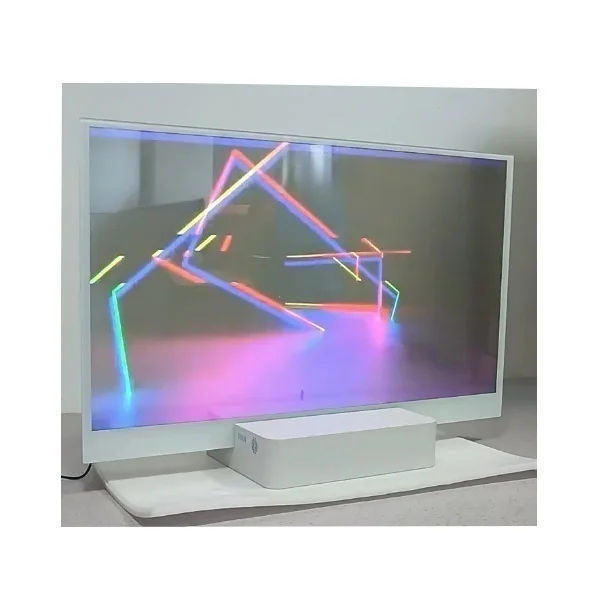
Transparent OLED-teknologi representerer en revolusjonerende fremgang i displayteknikk, og tilbyr unike egenskaper som tradisjonelle skjermer ikke kan matche. Disse displayene lar seere se innhold samtidig som de beholder synlighet til objekter eller miljøer bak skjermen, noe som skaper en immersiv og interaktiv opplevelse. Teknologien er spesielt relevant i butikkmiljøer, museer, bedriftsfoyer og hotellmiljøer der det er avgjørende å bevare romlig bevissthet samtidig som man leverer digitalt innhold. Bedrifter må imidlertid nøye vurdere om denne premiumteknologien samsvarer med deres spesifikke driftsbehov og budsjettbegrensninger, særlig når den sammenlignes med etablerte alternativer som runde LCD-display-systemer, som tilbyr dokumenterte ytelsesmål.
Valg av kommersiell skjerm innebærer flere tekniske og praktiske hensyn som direkte påvirker langtidseffektiv drift og avkastning på investeringen. Faktorer som betraktningsvinkler, lysstyrke, fargegjengivelse, holdbarhet og vedlikeholdsbehov spiller en avgjørende rolle for å bestemme den mest passende skjermtypen for spesifikke bruksområder. I tillegg må miljøforhold, installasjonsbegrensninger og integrasjonskrav til eksisterende systemer vurderes grundig. Mange bedrifter finner at konvensjonelle runde LCD-skjerm-løsninger fortsetter å gi et utmerket kost-/nytte-forhold, særlig i applikasjoner der transparensfunksjoner ikke er nødvendige og kostnadsoptimalisering forblir en hovedprioritet.
Forståelse av transparent OLED-teknologigrunnlag
Kjernearkitektur og ytelsesegenskaper
Gjennomsiktige OLED-skjermer bruker organiske lysdioder (OLED) ordnet i en matrisekonfigurasjon som tillater lysåpning gjennom inaktive piksler, noe som skaper effekten av gjennomsiktighet. Denne arkitekturen gjør at skjermen kan vise levende farger og skarpe bilder samtidig som den opprettholder opptil 40 % gjennomsiktighet i typiske kommersielle applikasjoner. Den selvlysende egenskapen til OLED-teknologien eliminerer behovet for bakgrunnsbelysning, noe som bidrar vesentlig til de gjennomsiktige egenskapene som skiller disse skjermene fra tradisjonelle LCD-alternativer. Ytelsesegenskaper inkluderer eksepsjonelle kontrastforhold, brede fargeområder og rask respons tid, noe som gjør dem egnet for dynamisk kommersiell innhold.
Nivåer av gjennomsiktighet og vurderinger av visuell virkning
Transparensgraden i OLED-skjermer varierer avhengig av innholdstype, lysstyrkeinnstillinger og omgivelsesbelysningsforhold, noe som skaper ulike visuelle opplevelser gjennom driftsperiodene. Mørkt innhold tillater maksimal transparens, mens lyst eller hvitt innhold reduserer gjennomsiktigheten, noe som krever nøye innholdsdesign for å optimere både synlighet og transparens-effekter. I kommersielle anvendelser må disse faktorene vurderes i lys av spesifikke visningskrav, med tanke på at noen installasjoner kan dra større nytte av de konsekvente ytelsesegenskapene som tradisjonelle runde LCD-skjermeteknologier tilbyr. Å forstå disse transparensdynamikkene hjelper bedrifter med å ta informerte beslutninger om innholdsstrategi og plassering av skjermer i sine kommersielle lokaler.
Strømforbruk og driftseffektivitet
Transparente OLED-skjermer viser variable strømforbruksmønstre som skiller seg betydelig fra konvensjonelle displayteknologier, der energiforbruket direkte korrelaterer med lysstyrken og fargesammensetningen til det viste innholdet. Svart eller mørkt innhold krever minimal strøm, mens lyst hvitt innhold kan øke energiforbruket betraktelig utover nivåene som er typiske for standard runde LCD-display-systemer. Denne egenskapen krever nøye vurdering av innholdsdesignstrategier og driftsskjemaer for å optimere energieffektiviteten. Kommersielle operatører må vurdere totalkostnaden for eierskap, inkludert strømkostnader, spesielt i installasjoner som krever lange driftstimer eller visning av innhold med høy lysstyrke.
Analyse av kommersiell anvendelse og vurdering av bruksområder
Strategier for integrasjon i detaljhandel og ved kassa
Butikkmiljøer gir unike muligheter for implementering av gjennomsiktige displayløsninger, spesielt i vindusutstillinger, produktutstillinger og interaktive kiosker, der det er viktig å opprettholde produktsynlighet samtidig som man leverer promosjonelt innhold – noe som skaper økt kundebindelse. Slike installasjoner gir butikker mulighet til å legge digitale opplysninger over fysiske produkter, og skape engasjerende kjøpsopplevelser som tradisjonelle display ikke kan tilby. Likevel fortsetter mange butikkanvendelser å dra nytte av velprøvde runde LCD-displayløsninger, spesielt i områder som krever konsekvent synlighet under varierende belysningsforhold eller der gjennomsiktighet gir begrenset tilleggverdi. Strategisk utplassering krever nøye analyse av kundeforflytningsmønstre, belysningsforhold og krav til innholdshåndtering.
Anvendelser i bedrifts- og profesjonelle miljøer
Bedrifter bruker i økende grad gjennomsiktige skjermer i konferanserom, mottak, og samarbeidsområder der det er viktig å bevare åpne synslinjer samtidig som man tilbyr informasjonsvisning – noe som forbedrer funksjonaliteten i arbeidsområdene. Disse anvendelsene drar særlig nytte av teknologiens evne til å vise møteinformasjon, bedriftsannonsen eller datavisualiseringer uten å skape visuelle barrierer eller forstyrre arkitektonisk estetikk. I profesjonelle miljøer må man ta hensyn til faktorer som kontroll av omgivelsesbelysning, integrasjon med innholdshåndteringssystemer og tilgang til vedlikehold når man vurderer gjennomsiktige skjermer i forhold til konvensjonelle alternativer. Noen bedriftsanvendelser kan finne at standard rund LCD-skjerm konfigurasjoner gir bedre ytelse for spesifikke presentasjons- eller informasjonsvisningskrav.
Overveielser for hotell- og underholdssteder
Hoteller, restauranter og underholdssteder bruker gjennomsiktige skjermer for å skape atmosfæriske effekter, gi veiledende informasjon og forbedre gjestens opplevelse uten å kompromittere estetikken i interiøret. Slike installasjoner krever ofte integrasjon med eksisterende lyd- og bilde-systemer, belysningsstyring og anleggsstyringsplattformer, noe som krever nøye teknisk planlegging og koordinering. I hotellbransjen må man balansere visuell innvirkning med driftssikkerhet, og ta hensyn til faktorer som rengjøringskrav, muligheter for gjesteinteraksjon og fleksibilitet når det gjelder innholdets planlegging. Valget mellom gjennomsiktige OLED-skjermer og tradisjonelle runde LCD-skjermer avhenger ofte av spesifikke egenskaper ved stedet, målgruppens demografi og operasjonelle budsjettbegrensninger.
Tekniske spesifikasjonar og ytelsesmål
Skjermoppløsning og bildekvalitetsparametere
Gjennomsiktige OLED-skjermer tilbyr for tiden ulike oppløsningsalternativer, fra Full HD til 4K-konfigurasjoner, med bildekvalitetsegenskaper som skiller seg fra tradisjonelle LCD-teknologier på grunn av egenskapene til det gjennomsiktige substratet. Fargegjenprodusering, lysstyrkejevnhet og visningsvinkel ytelse krever nøye vurdering i forhold til spesifikke brukskrav, særlig i miljøer med utfordrende omgivelsesbelysning. Disse tekniske spesifikasjonene påvirker direkte innholdets synlighet, kvaliteten på brukeropplevelsen og den totale installasjonsytelsen. Kommersielle kjøpere må sammenligne disse egenskapene med alternative runde LCD-skjermer, som kan tilby andre ytelsesegenskaper som bedre passer spesifikke driftskrav og budsjettforutsetninger.
Miljømessige driftsbetingelser og holdbarhet
Driftstemperaturområder, fuktighetstoleranse og spesifikasjoner for mekanisk holdbarhet varierer betydelig mellom transparente OLED- og konvensjonelle displayteknologier, noe som påvirker installasjonsplanleggingen og den langsiktige driftssikkerheten. Transparente displayer har ofte strengere miljøkrav, noe som potensielt kan begrense installasjonsstedene eller kreve ekstra klimakontrolltiltak. Vibrasjonsmotstand, støtdemping og holdbarheten til beskyttende belegg blir avgjørende faktorer i kommersielle omgivelser med mye trafikk, hyppige rengjøringskrav eller mulig fysisk kontakt. Disse holdbarhetsoverveielsene kan gi tradisjonelle runde LCD-displayløsninger en fordel i visse industrielle, butikks- eller høytrafikkerte kommersielle applikasjoner der robust ytelse veier tyngre enn estetiske eller transparensfordeler.
Koblings- og integrasjonsmuligheter
Moderne transparente skjermer tilbyr ulike tilkoblingsmuligheter, inkludert HDMI, DisplayPort, USB-C og trådløs overføring, selv om integrasjonskompleksiteten kan være høyere enn for standard skjermteknologier. Kompatibilitet med innholdsstyringssystemer, muligheter for fjernovervåking og funksjoner for synkronisering av flere skjermer må vurderes nøye opp mot eksisterende infrastruktur og driftskrav. Noen kommersielle installasjoner kan kreve egendefinerte integrasjonsløsninger eller ekstra maskinvarekomponenter, noe som potensielt kan øke totale systemkostnader og kompleksitet. Bedrifter bør vurdere om deres spesifikke integrasjonsbehov passer bedre med egenskapene til transparente skjermer eller etablerte runde LCD-skjermeteknologier som tilbyr dokumentert kompatibilitet med eksisterende kommersielle AV-systemer.
Installasjonsplanlegging og tekniske krav
Monteringssystemer og strukturelle hensyn
Installasjon av transparent OLED krever spesialisert monteringsutstyr og strukturelle støtteoverveielser som skiller seg fra konvensjonelle krav til displaymontering, særlig når det gjelder varmeavledning, kabelføring og tilgang for vedlikeholdsprosedyrer. Den unike formfaktoren og transparenskarakteristikkene krever nøye planlegging av støtteinfrastruktur, elektriske tilkoblinger og miljøkontroller for å sikre optimal ytelse og levetid. Installasjonskompleksiteten overstiger ofte den til standard runde LCD-display-systemer, noe som krever spesialisert kompetanse og potensielt tilpassede monteringsløsninger. Kommersielle anlegg må vurdere om deres eksisterende infrastruktur kan oppfylle disse kravene, eller om det kreves ekstra strukturelle modifikasjoner.
Kabelføring og strømfordeling
Transparente skjermer stiller unike krav til kabelforvaltning på grunn av synlighetskrav og behovet for å bevare estetisk uttrykk, samtidig som pålitelig strøm- og signaloverføring sikres. Strømforbruksegenskaper og varmeutvikling må planlegges nøye når det gjelder elektrisk distribusjon og kjølesystemer, spesielt ved installasjoner med flere skjermer eller i lukkede omgivelser. Kabelføring må ta hensyn både til funksjonelle krav og visuell innvirkning, og krever ofte skjulte eller spesialiserte løsninger for kabelforvaltning. Disse faktorene øker kompleksiteten og kostnadene sammenlignet med tradisjonelle runde LCD-skjerm-installasjoner og krever grundig planlegging og eventuelt spesialisert monteringskompetanse for å oppnå optimale resultater.
Vedlikeholdsadgang og servicehensyn
Langsiktige vedlikeholdsbehov for transparente skjermer inkluderer spesialiserte rengjøringsprosedyrer, tilgjengelighet til komponenter og serviceprotokoller som kan avvike betydelig fra konvensjonelle skjermvedlikeholdspraksiser. Den transparente egenskapen til disse skjermene krever spesifikke rengjøringsmaterialer og -teknikker for å opprettholde optimal gjennomsiktighet og bildekvalitet, noe som potensielt øker de løpende driftskostnadene og kravene til personelltrening. Tilgjengeligheten til service, prosedyrer for utskifting av komponenter og diagnostiske evner må vurderes i lys av driftskravene og de tilgjengelige tekniske støtteressursene. Noen kommersielle anvendelser kan dra større nytte av de etablerte serviceøkosystemene og vedlikeholdspraksisene som er knyttet til beviste runde LCD-skjermteknologier.
Kostnadsanalyse og avkastning på investering
Innledende investering og totale eierkostnader
Transparente OLED-skjermer har vanligvis en premiumpris i forhold til konvensjonelle displayteknologier, og de innledende kostnadene kan potensielt overstige de tradisjonelle løsningene betydelig, avhengig av størrelse, spesifikasjoner og krav til tilpasning. Analyse av totalkostnaden for eierskap må inkludere installasjonskompleksitet, spesialisert monteringsutstyr, eventuelle infrastrukturtilpasninger og pågående driftskostnader. Energiforbruksmønstre, vedlikeholdsbehov og forventet levetid bidrar til langsiktige kostnadsprognoser som varierer betraktelig i forhold til runde LCD-skjerm-alternativer. Kommersielle kjøpere bør gjennomføre en omfattende økonomisk analyse som tar hensyn både til den innledende investeringen og de prognostiserte driftskostnadene over den planlagte installasjonsperioden.
Ytelsesverdi og konkurransefordeler
De unike egenskapene til gjennomsiktige skjermer kan skape konkurransefortrinn i spesifikke kommersielle anvendelser, og potensielt rettferdiggjøre premieprissetting gjennom økt kundeengasjement, forbedret merkevareprestasjon eller bedre driftseffektivitet. Å kvantifisere disse fordelene krever en grundig analyse av spesifikke bruksområder, målgruppers respons og målbare ytelsesforbedringer i forhold til konvensjonelle skjerm-løsninger. Noen applikasjoner kan oppnå betydelige avkastninger gjennom økt tid brukt av kunder, bedre informasjonsbevaring eller sterkere merkevare-differensiering. Bedrifter må imidlertid realistisk vurdere om disse fordelene veier opp for de ekstra kostnadene i forhold til modne runde LCD-skjerm-løsninger som kan oppnå lignende funksjonelle mål med lavere totale investeringskostnader.
Økonomisk risikovurdering og budsjettplanlegging
Investering i nye displayteknologier innebär inneboende risiko knyttet till teknikutveckling, tjänstetillgänglighet och långsiktig leverantörsstöd, vilka måste noggrant utvärderas mot budgetbegränsningar och driftskrav. Den ekonomiska planeringen bör inkludera reservmedel för potentiella tjänstefrågor, teknikuppdateringar eller krav på prestandaoptimering som kan uppstå under installationslivscykeln. Strategier för riskminimering kan omfatta utökad garanti, serviceavtal eller faserad implementering som möjliggör prestandavalidering innan fullständig driftsättning. En försiktig budgetplanering kan föredra etablerade rund LCD-displayteknologier med bevisad pålitlighet och välutvecklade serviceekosystem, särskilt för verksamhetskritiska kommersiella applikationer.
Ofte stilte spørsmål
Vad är de främsta skillnaderna mellan transparent OLED och traditionella LCD-displayar för kommersiellt bruk?
Transparente OLED-skjermer tilbyr gjennomsiktige egenskaper som tillater syn på objekter bak skjermen samtidig som innhold vises, noe som skaper unike visuelle effekter umulige med tradisjonell LCD-teknologi. Runde LCD-skjerm-systemer gir derimot bevist pålitelighet, konsekvent lysstyrke og typisk lavere totale eierkostnad. OLED-skjermer bruker varierende strømforbruk basert på innhold, mens LCD-skjermer opprettholder konstant energiforbruk. Valget avhenger av om gjennomsiktige funksjoner gir tilstrekkelig verdi til å rettferdiggjøre den høyere kostnaden og installasjonskompleksiteten i forhold til konvensjonelle skjerm-løsninger.
Hvordan påvirker miljøforhold ytelse og levetid for transparente skjermer
Transparente OLED-skjermer er følsomme overfor temperatursvingninger, fuktighet og direkte sollys, og krever derfor kontrollerte miljøforhold for optimal ytelse og levetid. Høy omgivelseslysbelysning kan redusere synlighet og transparens-effekter, mens ekstreme temperaturer kan påvirke skjermens levetid og fargeavbildning. Tradisjonelle runde LCD-skjermteknologier viser ofte bedre toleranse mot miljøpåvirkninger og kan være mer egnet for installasjoner med utfordrende forhold. Riktig klimakontroll, UV-beskyttelse og miljøovervåking blir derfor kritiske faktorer ved installasjon av transparente skjermer.
Hvilke vedlikeholdsbehov må forventes med transparente kommersielle skjermer
Gjennomsiktige skjermer krever spesialiserte rengjøringsprosedyrer som bruker spesifikke materialer og teknikker for å opprettholde optimal gjennomsiktighet og forhindre skade på de følsomme overflatebeleggene. Vanlig vedlikehold inkluderer overvåking av pikeldeteriorering, fargejevnhet og konsistens i gjennomsiktighet, noe som kan kreve faglig servicekompetanse. Rengjøringsfrekvensen er vanligvis høyere enn for konvensjonelle skjermer, da begge sider av skjermen er synlige. Standard vedlikeholdsprosedyrer for runde LCD-skjermer er generelt enklere og kan ofte utføres av driftspersonell med grunnleggende opplæring og lett tilgjengelige rengjøringsmidler.
Hvordan bør bedrifter vurdere avkastning på investering (ROI) ved vurdering av investeringer i gjennomsiktige skjermer?
ROI-vurdering for transparente skjermer bør inkludere både kvantitative faktorer som installasjonskostnader, energiforbruk og vedlikeholdskostnader, samt kvalitative fordeler som forbedring av kundesammenheng og verdi av merkevare-differensiering. Bedrifter bør etablere målbare ytelsesindikatorer, for eksempel kundenes oppholdstid, interaksjonsrater eller forbedringer i salgsomsetning, som direkte kan tilskrives displayteknologien. Sammenligning med konvensjonelle runde LCD-skjermer bør ta hensyn til de ekstra fordelene og kostnadene som er spesifikke for den aktuelle anvendelsen. Vurdering av langsiktig verdi må ta hensyn til teknologisk utvikling, tilgjengelighet av tjenester og potensielle foreldelsefaktorer som kan påvirke investeringens bruksliv.
Innholdsfortegnelse
- Forståelse av transparent OLED-teknologigrunnlag
- Analyse av kommersiell anvendelse og vurdering av bruksområder
- Tekniske spesifikasjonar og ytelsesmål
- Installasjonsplanlegging og tekniske krav
- Kostnadsanalyse og avkastning på investering
-
Ofte stilte spørsmål
- Vad är de främsta skillnaderna mellan transparent OLED och traditionella LCD-displayar för kommersiellt bruk?
- Hvordan påvirker miljøforhold ytelse og levetid for transparente skjermer
- Hvilke vedlikeholdsbehov må forventes med transparente kommersielle skjermer
- Hvordan bør bedrifter vurdere avkastning på investering (ROI) ved vurdering av investeringer i gjennomsiktige skjermer?