 EN
EN

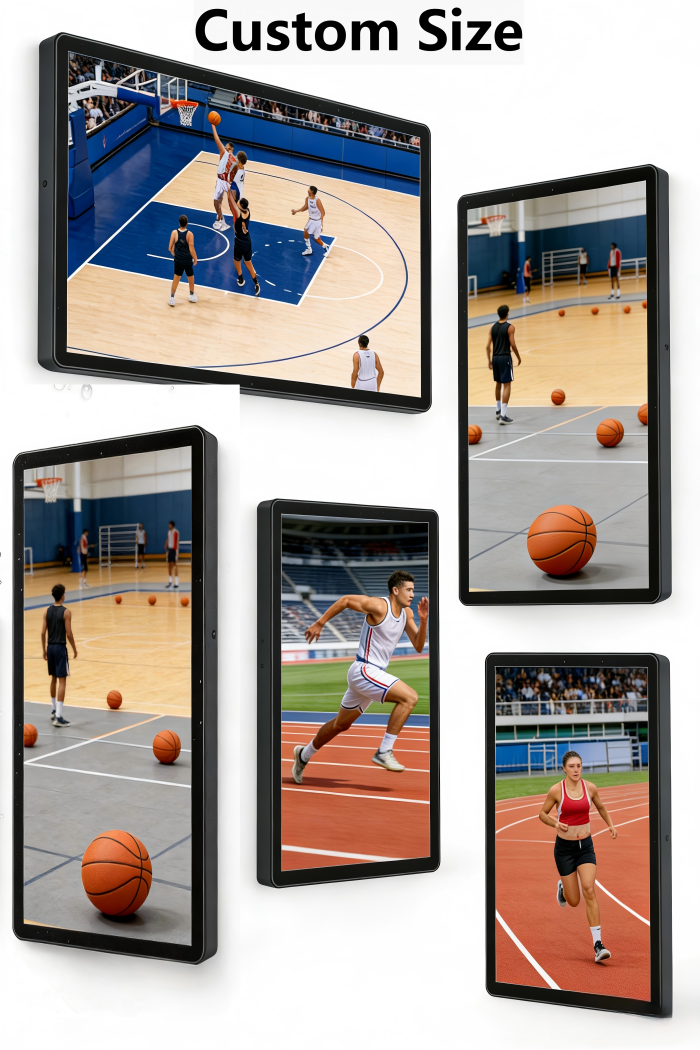
The modern advertising landscape has evolved dramatically, with digital signage becoming the cornerstone of effective marketing campaigns. An advertising screen outdoor represents more than just a display device—it serves as a powerful communication tool that must withstand harsh environmental conditions while delivering consistent performance. These robust digital solutions have transformed how businesses connect with their audiences, operating continuously through scorching heat, freezing temperatures, and everything in between. Understanding the engineering principles and design considerations that enable reliable 24/7 operation is crucial for businesses investing in outdoor digital advertising infrastructure.
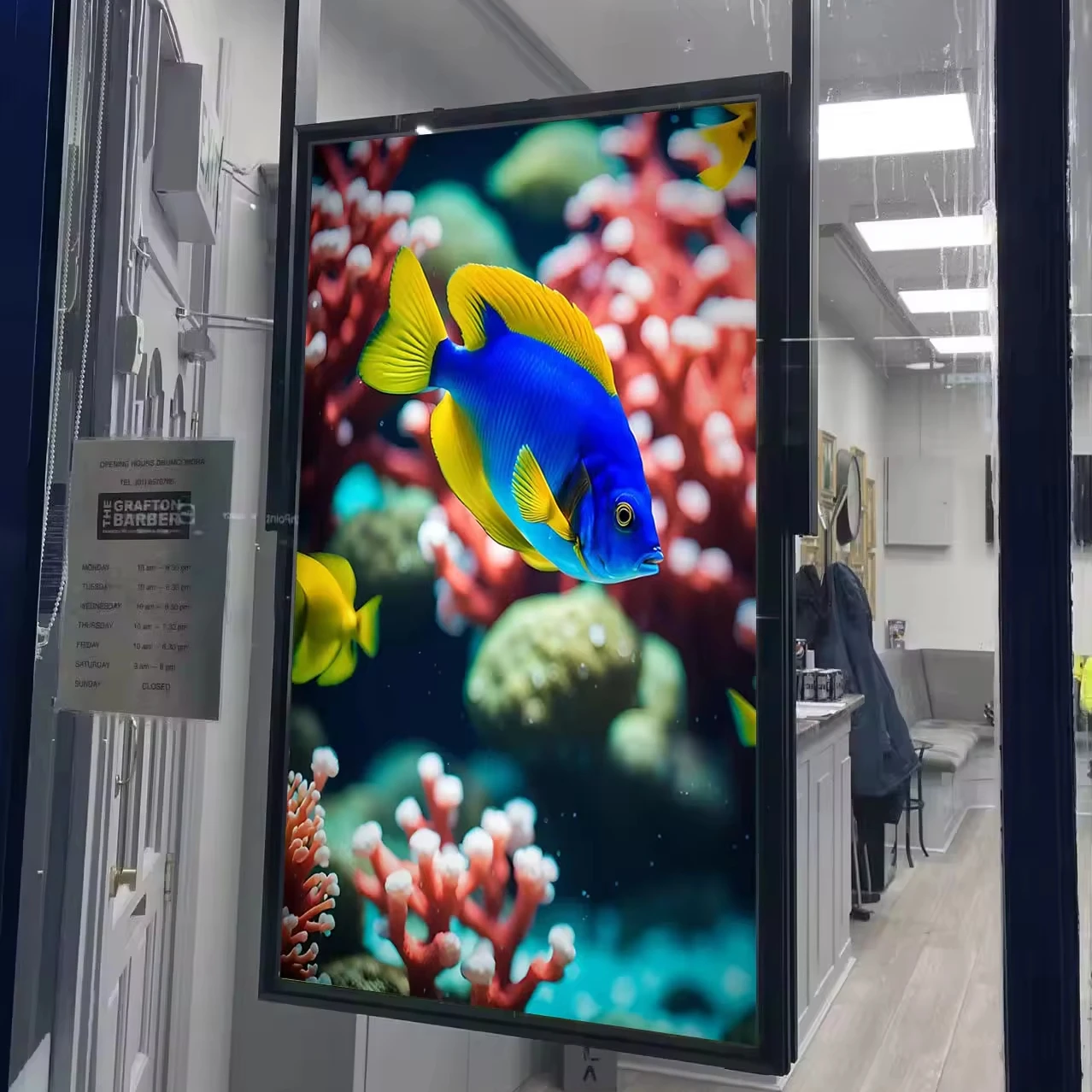
Environmental Protection Standards
Weatherproofing Technologies
Effective weatherproofing forms the foundation of any reliable advertising screen outdoor system. Manufacturers employ multiple protection layers, including specialized sealing compounds, gaskets, and drainage systems that prevent moisture infiltration. Advanced enclosures utilize military-grade materials with IP65 or IP66 ratings, ensuring complete protection against dust particles and water jets from any direction. The internal components receive additional protection through conformal coating applications that create barrier layers against humidity and corrosive elements.
Temperature management systems integrate sophisticated ventilation designs with climate control mechanisms. These systems maintain optimal operating temperatures regardless of external conditions, preventing condensation buildup that could damage sensitive electronics. Specialized breathing systems allow internal pressure equalization while maintaining weatherproof integrity, ensuring long-term reliability in diverse climate conditions.
Corrosion Resistance Measures
Coastal and industrial environments present unique challenges for outdoor advertising displays through salt spray, chemical exposure, and atmospheric pollutants. Premium advertising screen outdoor units incorporate marine-grade aluminum housings with specialized anodizing treatments that resist corrosion for decades. Stainless steel hardware and anti-corrosive coatings protect mounting systems and connection points from environmental degradation.
Internal component protection extends beyond the housing through strategic material selection and surface treatments. Circuit boards receive protective coatings that repel moisture and resist chemical contamination, while connector systems utilize gold-plated contacts that maintain reliable connections despite environmental exposure. These comprehensive protection strategies ensure consistent performance throughout the display's operational lifetime.
High Brightness Display Technology
Daylight Readable Performance
Achieving excellent visibility under direct sunlight requires advertising screen outdoor displays to produce brightness levels significantly higher than indoor units. Professional outdoor displays typically generate 2,500 to 5,000 nits of brightness, compared to 250-400 nits for indoor applications. This enhanced luminosity ensures content remains clearly visible even during peak daylight hours when ambient light levels reach their maximum intensity.
Advanced LED backlighting systems incorporate precise optical engineering to maximize light output efficiency while minimizing power consumption. Quantum dot enhancement films and specialized diffusion layers optimize color reproduction and viewing angles, maintaining image quality across diverse lighting conditions. Automatic brightness sensors continuously monitor ambient light levels, adjusting display output to maintain optimal visibility while conserving energy during nighttime operation.
Anti-Reflective Surface Treatments
Surface reflection management plays a critical role in outdoor display visibility, particularly during bright daylight conditions. Professional advertising screen outdoor units utilize multi-layer anti-reflective coatings that minimize glare while maintaining image clarity. These specialized treatments reduce surface reflections by up to 95%, ensuring content visibility from multiple viewing angles throughout the day.
Optical bonding technology eliminates air gaps between display layers, reducing internal reflections and improving contrast ratios. This manufacturing process creates a monolithic optical structure that maintains image quality under challenging lighting conditions while providing additional protection against moisture infiltration and thermal stress.
Power Management and Energy Efficiency
Intelligent Power Distribution
Reliable 24/7 operation demands sophisticated power management systems that optimize energy consumption while maintaining consistent performance. Modern advertising screen outdoor installations incorporate intelligent power distribution networks with redundant supply paths and automatic failover capabilities. These systems monitor power quality parameters continuously, adjusting operational parameters to compensate for voltage fluctuations and power grid irregularities.
Energy-efficient component selection significantly impacts operational costs and environmental sustainability. LED backlighting systems consume 40-60% less power than traditional illumination methods while providing superior brightness and longevity. Smart power scaling algorithms adjust consumption based on content requirements and ambient conditions, reducing energy waste without compromising display quality.
Backup Power Solutions
Uninterrupted operation requires comprehensive backup power strategies that maintain advertising screen outdoor functionality during power outages. Uninterruptible power supply systems provide immediate backup during brief interruptions, while extended battery banks support longer-duration outages. Solar panel integration offers sustainable supplementary power for remote installations or energy-conscious applications.
Power monitoring and management software provides real-time visibility into energy consumption patterns, enabling optimization of operational schedules and maintenance planning. Predictive analytics identify potential power system issues before they impact display operation, ensuring maximum uptime and reliability.
Thermal Management Solutions
Advanced Cooling Systems
Effective thermal management represents a critical factor in advertising screen outdoor reliability and longevity. High-brightness displays generate substantial heat loads that must be efficiently dissipated to prevent component degradation and performance issues. Professional outdoor displays incorporate multi-stage cooling systems combining passive heat sinks, active ventilation, and in some cases, liquid cooling solutions.
Computational fluid dynamics modeling optimizes airflow patterns within display enclosures, ensuring uniform temperature distribution and eliminating hot spots that could damage sensitive components. Variable-speed fans adjust cooling capacity based on thermal loads and ambient conditions, minimizing noise while maintaining optimal operating temperatures across diverse environmental conditions.
Heat Dissipation Engineering
Strategic component placement and thermal interface management maximize heat transfer efficiency within advertising screen outdoor enclosures. High-performance thermal compounds and graphite sheets facilitate heat conduction from heat-generating components to dissipation surfaces. Aluminum extrusions and copper heat pipes create efficient thermal pathways that remove waste heat from critical components.
Intelligent thermal monitoring systems continuously track component temperatures, adjusting operational parameters to prevent overheating. Thermal protection algorithms can temporarily reduce display brightness or processing loads during extreme temperature conditions, maintaining system stability while protecting hardware investments.
Remote Monitoring and Maintenance
Proactive System Monitoring
Comprehensive remote monitoring capabilities enable proactive maintenance strategies that maximize advertising screen outdoor uptime and performance. Advanced monitoring systems track hundreds of operational parameters including temperature profiles, power consumption, brightness levels, and component health indicators. Real-time data transmission provides operators with immediate visibility into system status and performance trends.
Predictive maintenance algorithms analyze historical data patterns to identify potential issues before they cause system failures. Machine learning models recognize subtle performance degradation indicators, enabling scheduled maintenance activities that prevent unexpected downtime and extend equipment lifespan.
Automated Diagnostic Systems
Self-diagnostic capabilities built into modern advertising screen outdoor systems perform continuous health assessments of critical components. Automated testing routines verify display functionality, color accuracy, brightness uniformity, and communication system integrity. Diagnostic reports provide detailed information about system condition and recommended maintenance actions.
Remote troubleshooting capabilities enable technical support teams to diagnose and resolve many issues without physical site visits. Software-based solutions can address configuration problems, optimize performance parameters, and update system firmware to enhance reliability and functionality.
Content Management and Scheduling
Robust Content Delivery Networks
Reliable content delivery forms an essential component of advertising screen outdoor operations, ensuring timely updates and consistent messaging across multiple display locations. Cloud-based content management systems provide centralized control over distributed display networks while maintaining local caching capabilities that ensure content availability during network interruptions.
Bandwidth optimization technologies compress content files without quality degradation, enabling efficient transmission over various connection types including cellular, satellite, and broadband networks. Redundant communication pathways provide failover capabilities that maintain content delivery reliability even when primary connections experience disruptions.
Intelligent Scheduling Systems
Advanced scheduling capabilities enable advertising screen outdoor operators to optimize content delivery based on audience demographics, traffic patterns, and environmental conditions. Dynamic scheduling algorithms can automatically adjust content based on real-time data inputs including weather conditions, traffic volume, and special events.
Integration with external data sources enables contextual advertising that responds to current conditions and audience preferences. Location-based services, weather APIs, and traffic monitoring systems provide inputs that drive intelligent content selection and scheduling decisions.
Installation and Mounting Considerations
Structural Engineering Requirements
Proper installation forms the foundation of reliable advertising screen outdoor operation, requiring careful consideration of structural loads, wind resistance, and seismic requirements. Professional installation teams conduct detailed site surveys to assess environmental conditions, structural capacity, and regulatory compliance requirements. Engineering calculations account for wind loads, live loads, and dynamic forces that displays may experience during operation.
Mounting systems utilize high-strength materials and redundant attachment points to ensure display security under extreme weather conditions. Vibration dampening systems reduce structural stress and prevent mechanical fatigue that could compromise long-term reliability. Professional installation includes comprehensive testing and certification procedures that verify structural integrity and safety compliance.
Cable Management and Connectivity
Reliable connectivity requires weatherproof cable management systems that protect communication and power connections from environmental exposure. Professional advertising screen outdoor installations utilize marine-grade cables with enhanced insulation and shielding properties. Sealed connector systems prevent moisture infiltration while maintaining signal integrity under temperature cycling and mechanical stress.
Redundant connectivity options provide backup communication paths that maintain system operation during connection failures. Fiber optic connections offer superior signal quality and electromagnetic interference immunity for long-distance installations, while wireless options provide flexibility in challenging installation environments.
FAQ
What brightness level is required for outdoor advertising screens to remain visible in direct sunlight
Professional advertising screen outdoor displays typically require brightness levels between 2,500 and 5,000 nits to maintain excellent visibility in direct sunlight conditions. This represents approximately 10 times the brightness of indoor displays, which typically operate at 250-400 nits. The specific brightness requirement depends on factors including geographic location, installation orientation, and surrounding light reflection. Higher brightness levels ensure content remains clearly readable throughout the day, maximizing advertising effectiveness and audience engagement.
How do outdoor advertising screens maintain operation during extreme weather conditions
Robust advertising screen outdoor systems incorporate multiple protective technologies including IP65/IP66 rated enclosures, advanced thermal management, and weatherproof sealing systems. Internal climate control maintains optimal operating temperatures while preventing condensation buildup. Corrosion-resistant materials and protective coatings ensure long-term durability in harsh environmental conditions. Emergency shutdown protocols protect equipment during extreme weather events, while backup power systems maintain operation during power outages.
What maintenance requirements ensure reliable 24/7 operation of outdoor advertising displays
Preventive maintenance schedules for advertising screen outdoor installations typically include monthly visual inspections, quarterly cleaning procedures, and annual comprehensive system assessments. Remote monitoring systems enable continuous performance tracking and predictive maintenance scheduling. Key maintenance activities include air filter replacement, thermal compound renewal, connector inspection, and software updates. Professional maintenance programs can extend equipment lifespan by 50-75% while minimizing unexpected downtime and repair costs.
How long can outdoor advertising screens operate reliably before requiring major component replacement
Well-designed advertising screen outdoor systems typically provide 8-12 years of reliable operation with proper maintenance and environmental protection. LED backlighting systems offer 50,000-100,000 hours of operational life, while display panels maintain 80% of original brightness after 60,000 hours of continuous operation. Component lifespan depends on environmental conditions, operational intensity, and maintenance quality. Modular designs enable selective component replacement, extending overall system life while minimizing total cost of ownership.
Table of Contents
- Environmental Protection Standards
- High Brightness Display Technology
- Power Management and Energy Efficiency
- Thermal Management Solutions
- Remote Monitoring and Maintenance
- Content Management and Scheduling
- Installation and Mounting Considerations
-
FAQ
- What brightness level is required for outdoor advertising screens to remain visible in direct sunlight
- How do outdoor advertising screens maintain operation during extreme weather conditions
- What maintenance requirements ensure reliable 24/7 operation of outdoor advertising displays
- How long can outdoor advertising screens operate reliably before requiring major component replacement