
 EN
EN
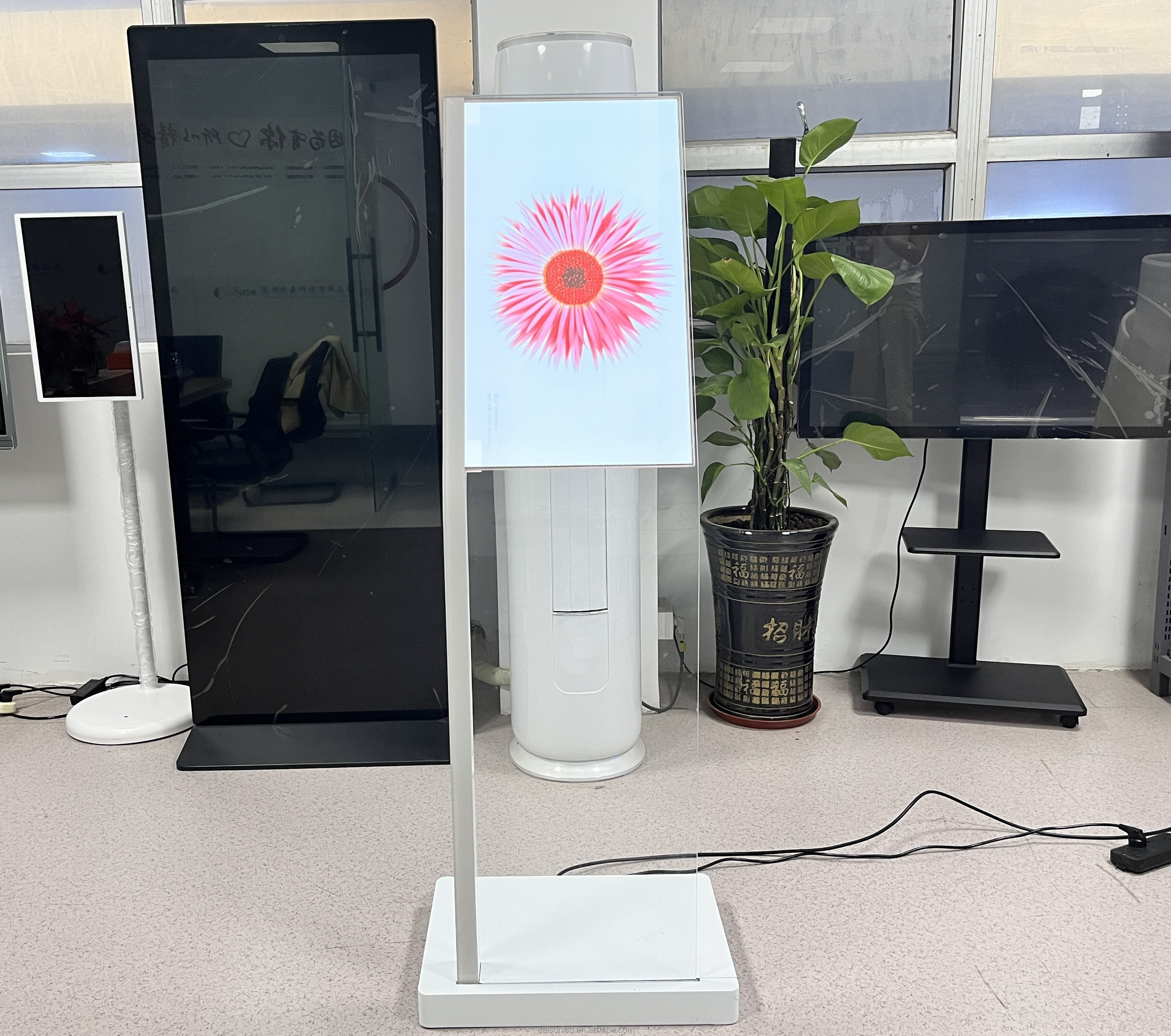
Retail environments are constantly evolving, and businesses are seeking innovative ways to capture customer attention while maximizing their storefront potential. Modern retail window systems have transformed from simple glass barriers into dynamic marketing platforms that can showcase products, deliver information, and create immersive brand experiences. The integration of advanced display technologies has revolutionized how retailers connect with potential customers, offering unprecedented opportunities to blend physical and digital retail experiences seamlessly.
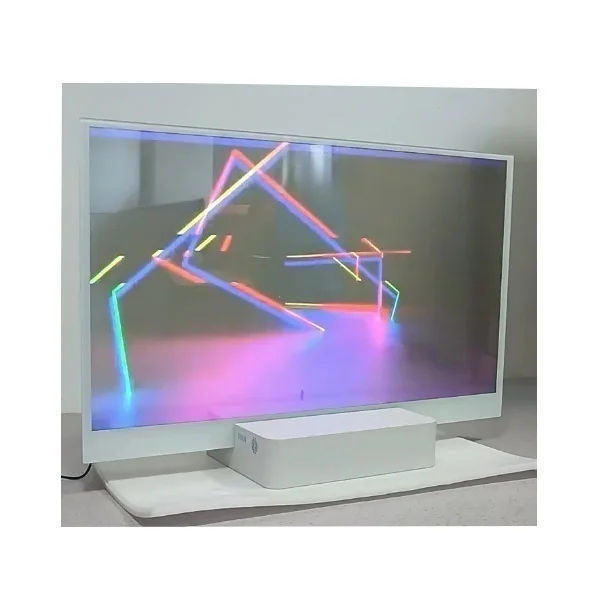
The retail industry faces unique challenges in today's competitive marketplace, where consumers have countless options and shorter attention spans. Traditional static window displays, while still important, often fail to capture the dynamic nature of modern shopping behaviors. Retailers need solutions that can adapt quickly to changing promotions, seasonal campaigns, and real-time inventory updates while maintaining the aesthetic appeal of their storefronts.
Transparent display technologies represent a significant breakthrough in retail innovation, offering the perfect balance between visibility and functionality. These cutting-edge solutions allow retailers to maintain natural lighting and visual transparency while simultaneously delivering rich multimedia content that can inform, entertain, and persuade potential customers. The technology creates an almost magical effect where digital content appears to float in mid-air, creating memorable experiences that drive foot traffic and sales conversions.
Revolutionary Technology Behind Transparent Display Systems
Advanced OLED Technology Fundamentals
A transparent oled display utilizes organic light-emitting diode technology to create images and videos while maintaining see-through capabilities. Unlike traditional LCD panels that require backlighting, OLED technology generates light at the pixel level, allowing for precise control over transparency and brightness. This fundamental difference enables manufacturers to create displays where certain pixels remain completely transparent while others emit vivid colors and sharp imagery.
The manufacturing process involves depositing organic compounds onto transparent substrates, creating a thin film that can emit light when electrical current is applied. Advanced engineering ensures that the transparent oled display maintains structural integrity while delivering exceptional image quality. The technology incorporates sophisticated pixel arrangements that maximize both transparency and display performance, resulting in products that can achieve up to 85% transparency when not displaying content.
Optical Performance and Visual Characteristics
Modern transparent oled display systems deliver impressive optical performance metrics that rival traditional opaque displays. The technology achieves high contrast ratios, vibrant color reproduction, and sharp resolution while maintaining excellent transparency levels. These displays can produce deep blacks by simply turning off pixels, creating stunning visual effects where content appears to float against the background environment.
The viewing angle characteristics of transparent oled display technology ensure consistent image quality from multiple perspectives, crucial for retail applications where customers approach from various directions. The displays maintain color accuracy and brightness uniformity across wide viewing angles, ensuring that marketing content remains impactful regardless of customer positioning. Advanced anti-reflective coatings further enhance visibility under various lighting conditions, from bright daylight to evening illumination.
Transforming Retail Window Experiences
Dynamic Content Management Capabilities
The implementation of transparent oled display technology in retail windows enables unprecedented content management flexibility. Retailers can instantly update promotions, showcase product information, display pricing, and even integrate real-time social media feeds without physical modifications to their storefronts. This capability transforms static window spaces into dynamic marketing platforms that can adapt to different times of day, weather conditions, or special events.
Content management systems designed for transparent oled display applications allow retailers to schedule different campaigns throughout the day, maximizing relevance and impact. Morning commuters might see coffee promotions, while evening shoppers encounter dinner or entertainment-related content. The technology supports various media formats, from simple text and images to complex animations and video content, providing unlimited creative possibilities for engaging potential customers.
Interactive Customer Engagement Solutions
Advanced transparent oled display systems can incorporate touch functionality, transforming retail windows into interactive information kiosks. Customers can browse product catalogs, check availability, compare features, and even complete purchases without entering the store. This capability is particularly valuable during off-hours when traditional retail spaces are closed, extending the effective selling time for businesses.
The interactive capabilities of modern transparent oled display systems include gesture recognition, proximity sensors, and multi-touch support. These features enable sophisticated user experiences that can guide customers through product selections, provide detailed specifications, and even connect to mobile devices for seamless omnichannel experiences. The technology bridges the gap between online and offline retail, creating cohesive customer journeys that drive engagement and sales.
Strategic Business Benefits and ROI
Enhanced Customer Attraction and Retention
The implementation of transparent oled display technology in retail environments significantly increases customer attraction and dwell time. The novelty and visual impact of transparent displays create memorable experiences that encourage social sharing and word-of-mouth marketing. Studies indicate that retail locations utilizing advanced display technologies experience increased foot traffic, with many customers specifically visiting to experience the innovative presentation methods.
The technology enables retailers to create layered visual experiences where physical products are enhanced by digital information, creating depth and context that traditional displays cannot achieve. Customers spend more time engaging with transparent oled display content, leading to increased brand awareness and higher conversion rates. The immersive nature of transparent displays creates emotional connections between customers and brands, fostering loyalty and repeat visits.
Operational Efficiency and Cost Reduction
Transparent oled display systems reduce operational costs associated with traditional window display management. Retailers eliminate expenses related to physical signage updates, printing costs, installation labor, and storage requirements for seasonal display materials. The digital nature of transparent displays allows for instant updates without requiring specialized staff or disrupting store operations.
Energy efficiency represents another significant advantage, as modern transparent oled display technology consumes substantially less power than traditional illuminated signage. The displays only consume energy when actively showing content, and advanced power management features can automatically adjust brightness based on ambient lighting conditions. This efficiency translates to reduced operational costs and improved environmental sustainability profiles for retail businesses.
Implementation Considerations and Best Practices
Technical Installation Requirements
Successful transparent oled display implementation requires careful planning and professional installation to ensure optimal performance and longevity. The displays must be properly secured within existing window frameworks while maintaining structural integrity and weather resistance. Professional installers assess factors such as weight distribution, thermal management, and electrical requirements to ensure safe and reliable operation.
Environmental considerations play a crucial role in transparent oled display installation, particularly regarding temperature control and humidity management. The displays require stable operating conditions to maintain performance and prevent condensation issues that could affect transparency or image quality. Proper ventilation systems and climate control measures ensure consistent operation across varying weather conditions and seasonal changes.
Content Strategy and Design Optimization
Effective transparent oled display implementation requires specialized content strategies that maximize the unique characteristics of transparent technology. Content designers must consider transparency levels, background visibility, and contrast ratios when creating materials for these displays. The most effective content utilizes the transparency features strategically, allowing background elements to complement rather than compete with digital content.
Design optimization for transparent oled display applications involves understanding how different colors and brightness levels affect transparency and visibility. Dark content areas allow maximum see-through capability, while bright elements create focal points that draw attention. Professional content creators leverage these characteristics to create engaging experiences that balance information delivery with aesthetic appeal, ensuring that transparent oled display installations enhance rather than obstruct the retail environment.
Industry Applications and Success Stories
Fashion and Luxury Retail Implementation
Fashion retailers have embraced transparent oled display technology to create sophisticated presentations that complement their brand aesthetics. Luxury boutiques utilize these displays to showcase product details, styling suggestions, and brand stories while maintaining the elegant simplicity of their storefronts. The technology allows high-end retailers to provide information without cluttering their carefully curated visual presentations.
Successful fashion retail implementations demonstrate how transparent oled display systems can enhance rather than distract from merchandise presentations. The displays provide contextual information about materials, manufacturing processes, sustainability initiatives, and styling options while allowing customers to appreciate physical products simultaneously. This approach creates comprehensive brand experiences that resonate with modern consumers who value both style and substance.
Electronics and Technology Showcases
Electronics retailers leverage transparent oled display technology to demonstrate product capabilities and technical specifications in engaging formats. These implementations often feature interactive elements that allow customers to explore features, compare models, and access detailed technical information. The transparent nature of the displays creates an appropriate aesthetic match for technology products while providing sophisticated presentation capabilities.
Technology showcases utilizing transparent oled display systems often incorporate real-time data integration, showing live product reviews, social media mentions, and availability information. This dynamic approach keeps content fresh and relevant while demonstrating the advanced capabilities that modern consumers expect from technology retailers. The transparency feature allows customers to see actual products while accessing digital enhancement information, creating comprehensive evaluation experiences.
Future Developments and Market Trends
Technological Advancement Trajectories
The transparent oled display industry continues advancing rapidly, with improvements in transparency levels, resolution capabilities, and manufacturing costs. Future developments promise even higher transparency percentages, potentially reaching 90% or greater while maintaining excellent image quality. Manufacturing innovations are reducing production costs, making transparent oled display technology accessible to smaller retailers and diverse market segments.
Emerging technologies include flexible transparent oled display options that can conform to curved surfaces and architectural features. These advances enable creative installations that integrate seamlessly with existing building designs while providing maximum visual impact. Research and development efforts focus on improving durability, weather resistance, and operational lifespan to ensure long-term value for retail investments.
Market Expansion and Adoption Patterns
Market analysis indicates accelerating adoption of transparent oled display technology across various retail sectors, driven by decreasing costs and improving performance characteristics. Early adopters in luxury retail are expanding their implementations, while mainstream retailers begin exploring pilot programs to evaluate the technology's potential impact on their operations.
Industry predictions suggest that transparent oled display installations will become standard features in premium retail locations within the next five years. The technology's ability to create differentiated customer experiences while providing operational benefits positions it as a critical competitive advantage for forward-thinking retailers. Market growth is supported by increasing consumer expectations for interactive and engaging retail experiences that blend physical and digital elements seamlessly.
FAQ
What is the typical lifespan of a transparent oled display in retail applications
Modern transparent oled display systems typically provide 50,000 to 100,000 hours of operation under normal retail conditions, equivalent to approximately 10-15 years of standard commercial use. The lifespan depends on factors such as usage patterns, environmental conditions, and maintenance practices. Professional-grade displays designed for continuous operation often exceed these estimates, particularly when properly installed and maintained according to manufacturer specifications.
How do transparent oled displays perform in direct sunlight
Transparent oled display technology performs well in various lighting conditions, including direct sunlight, thanks to high brightness capabilities and anti-reflective coatings. Modern systems can achieve brightness levels of 1000 nits or higher, ensuring visibility even in challenging lighting environments. Automatic brightness adjustment features optimize power consumption while maintaining excellent visibility throughout changing daylight conditions.
Can transparent oled displays integrate with existing retail management systems
Yes, transparent oled display systems are designed to integrate seamlessly with existing retail management platforms through standard connectivity options including WiFi, Ethernet, and cloud-based management systems. The displays can receive real-time inventory updates, pricing changes, and promotional content from central management systems. API connectivity enables integration with POS systems, inventory management software, and customer relationship management platforms for comprehensive retail automation.
What maintenance requirements do transparent oled displays have
Transparent oled display systems require minimal maintenance compared to traditional signage solutions. Regular cleaning with appropriate materials maintains transparency and image quality, while software updates ensure optimal performance and security. Professional maintenance schedules typically include quarterly inspections, annual calibration, and preventive service measures. The solid-state nature of OLED technology eliminates many mechanical failure points associated with traditional display systems, reducing maintenance costs and operational disruptions.