
 EN
EN
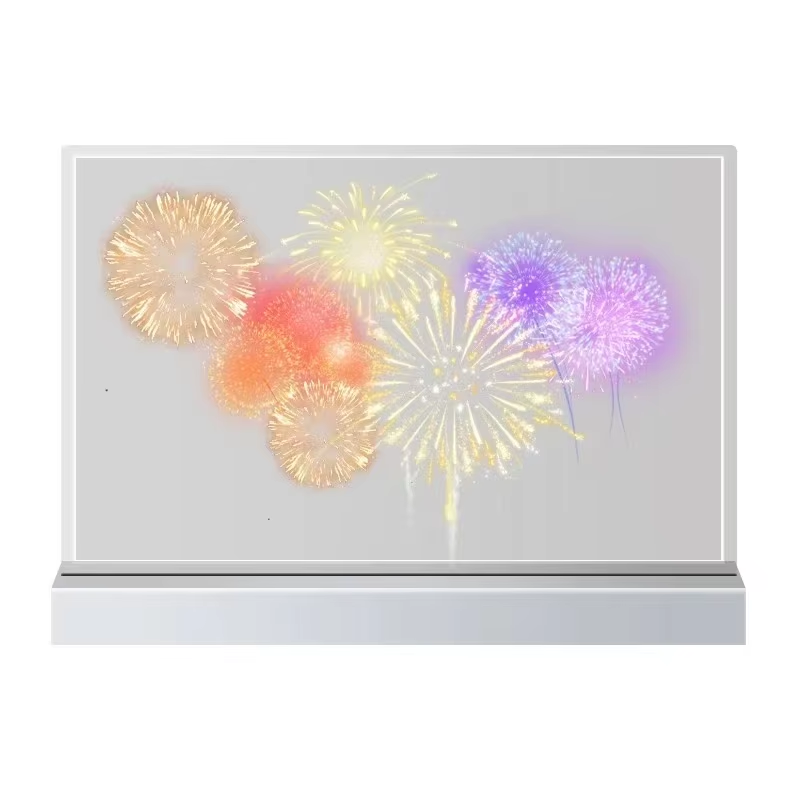
Modern B2B retail environments demand cutting-edge display solutions that capture attention while seamlessly integrating into existing architectures. Wall-mounted displays have emerged as powerful tools for enhancing customer engagement, with advanced transparent oled screen technology leading the transformation of commercial spaces. These innovative display systems offer businesses unprecedented opportunities to create immersive brand experiences that drive conversion rates and strengthen customer relationships.
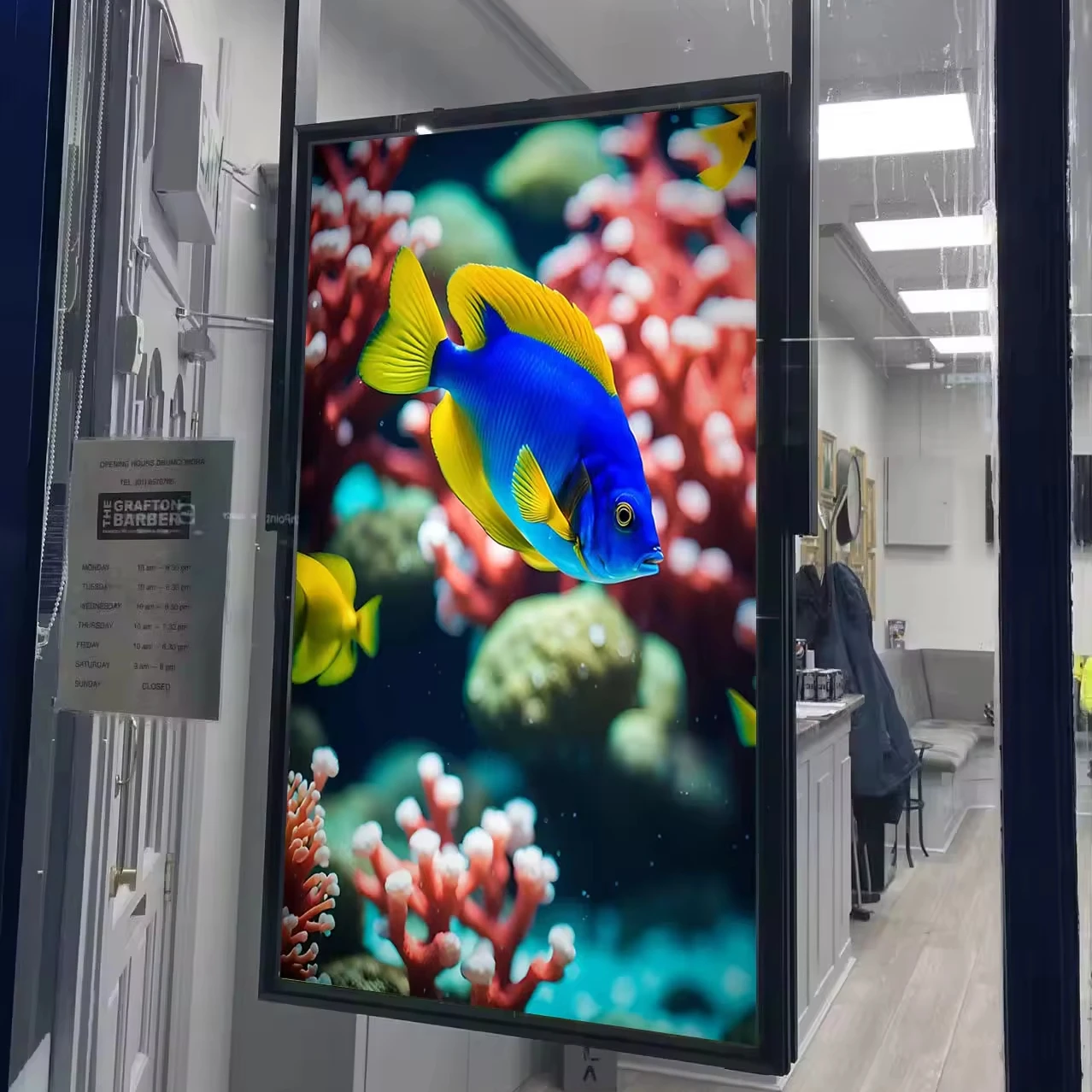
Revolutionary Display Technologies Transforming B2B Retail
Advanced Transparent Display Solutions
The emergence of transparent oled screen technology has revolutionized how businesses approach visual merchandising and customer communication. These cutting-edge displays allow content to appear as if floating in mid-air, creating mesmerizing visual effects that naturally draw customer attention. Unlike traditional opaque screens, transparent displays enable viewers to see through the screen while simultaneously displaying vibrant digital content, making them ideal for storefront windows, product showcases, and interactive exhibits.
Implementation of transparent oled screen systems in B2B environments offers unique advantages for space optimization and aesthetic appeal. Retail businesses can maintain clear sightlines throughout their spaces while delivering targeted marketing messages, product information, and brand storytelling elements. This dual functionality ensures that digital displays enhance rather than obstruct the overall shopping experience, creating environments where technology feels naturally integrated rather than intrusive.
High-Brightness Display Performance
Commercial environments often require display solutions that perform exceptionally under various lighting conditions. Modern wall-mounted displays featuring transparent oled screen technology deliver superior brightness levels ranging from 1000 to 4000 nits, ensuring content visibility even in brightly lit retail spaces. This enhanced brightness capability means businesses can deploy these displays near windows, under fluorescent lighting, or in outdoor-facing applications without compromising visibility or impact.
The technical sophistication of contemporary transparent oled screen systems extends beyond brightness to encompass color accuracy, contrast ratios, and viewing angles. These displays maintain consistent performance across different environmental conditions, ensuring that marketing messages, product demonstrations, and interactive content remain crisp and engaging throughout operating hours. Such reliability proves essential for B2B applications where consistent brand presentation directly impacts customer perception and business outcomes.
Strategic Implementation for Maximum Engagement
Optimal Placement Strategies
Successful deployment of transparent oled screen technology requires careful consideration of placement, content strategy, and customer flow patterns. Wall-mounted installations work most effectively when positioned at natural decision points within retail environments, such as product selection areas, checkout zones, or transition spaces between different departments. Strategic placement ensures maximum exposure while avoiding overwhelming customers with excessive digital stimulation.
Professional installation of transparent oled screen systems demands attention to mounting specifications, power requirements, and networking infrastructure. Wall-mounted displays must be securely anchored to support varying weights while maintaining accessibility for maintenance and content updates. Proper cable management ensures clean aesthetics while meeting safety requirements for commercial applications, creating installations that appear seamlessly integrated into architectural elements.
Content Optimization Techniques
Effective content creation for transparent oled screen applications requires understanding how transparency affects visual perception and message delivery. Content designers must balance opacity levels, color choices, and animation effects to ensure readability while maximizing the unique see-through capabilities of these displays. High-contrast elements work particularly well, as they maintain visibility against varying backgrounds while preserving the transparent effect that makes these screens so compelling.
Dynamic content scheduling allows businesses to adapt their transparent oled screen messaging to different times of day, customer demographics, and promotional campaigns. Advanced content management systems enable remote updates, A/B testing capabilities, and performance analytics that help optimize engagement rates. This flexibility ensures that display investments continue delivering measurable returns through adaptable messaging strategies and data-driven optimization approaches.
Business Impact and ROI Considerations
Engagement Metrics and Performance Tracking
Implementation of transparent oled screen solutions enables businesses to track detailed engagement metrics that provide insights into customer behavior and content effectiveness. Modern display systems incorporate sensors, cameras, and analytics software that measure dwell time, interaction rates, and conversion patterns. These data points help businesses understand which content formats, placement strategies, and messaging approaches generate the strongest customer responses.
Analytics capabilities built into transparent oled screen systems extend beyond basic viewership metrics to encompass demographic analysis, attention mapping, and behavioral pattern recognition. This comprehensive data collection enables businesses to refine their digital display strategies continuously, optimizing content delivery based on actual customer interactions rather than assumptions. Such evidence-based optimization ensures that display investments generate measurable improvements in engagement rates and business outcomes.
Cost-Effectiveness and Long-Term Value
While transparent oled screen technology represents a significant initial investment, the long-term value proposition includes reduced printing costs, increased content flexibility, and enhanced brand differentiation capabilities. Traditional static signage requires regular updates, printing expenses, and physical installation labor, whereas digital displays enable instant content changes, seasonal campaigns, and real-time promotional adjustments without additional production costs.
Energy efficiency improvements in modern transparent oled screen systems contribute to operational cost savings over time. Advanced power management features, LED backlighting systems, and intelligent brightness adjustment capabilities reduce electricity consumption while maintaining optimal performance. These efficiency gains, combined with reduced maintenance requirements and extended operational lifespans, create compelling total cost of ownership profiles for businesses evaluating display technology investments.
Technical Specifications and Installation Requirements
Hardware Specifications and Compatibility
Contemporary transparent oled screen systems offer various size options, with 65-inch displays representing popular choices for B2B retail applications. These large-format displays provide sufficient screen real estate for detailed product information, interactive elements, and brand messaging while maintaining the transparency effects that make these systems unique. Resolution options typically include FHD and 4K configurations, ensuring content appears sharp and professional across different viewing distances.
Connectivity features in modern transparent oled screen systems accommodate diverse content sources and management requirements. Multiple input options, wireless connectivity, and network integration capabilities ensure compatibility with existing business systems, content management platforms, and remote monitoring solutions. This connectivity flexibility enables businesses to integrate display systems seamlessly into broader digital infrastructure while maintaining centralized control over content distribution and performance monitoring.
Environmental Considerations and Durability
Commercial-grade transparent oled screen systems must withstand continuous operation in varying environmental conditions while maintaining consistent performance standards. Temperature regulation, humidity resistance, and dust protection features ensure reliable operation in retail environments where climate control may vary throughout operating hours. These durability considerations prove essential for maintaining professional appearances and avoiding costly downtime in business-critical applications.
Installation requirements for wall-mounted transparent oled screen systems include structural support calculations, electrical infrastructure planning, and maintenance access considerations. Professional installation ensures proper weight distribution, adequate ventilation, and compliance with building codes while creating clean, professional appearances that enhance rather than detract from retail environments. Proper installation practices extend equipment lifespans while ensuring safe, reliable operation throughout the display system's service life.
Future Trends and Technology Evolution
Emerging Interactive Capabilities
The evolution of transparent oled screen technology continues advancing toward more sophisticated interactive capabilities that blur the boundaries between physical and digital retail experiences. Touch sensitivity, gesture recognition, and augmented reality integration represent emerging features that transform passive displays into engaging interactive platforms. These capabilities enable customers to explore product catalogs, access detailed specifications, and even complete purchase transactions directly through the display interface.
Integration of artificial intelligence and machine learning capabilities into transparent oled screen systems enables personalized content delivery based on customer demographics, preferences, and behavioral patterns. Smart displays can recognize returning customers, adjust content based on inventory levels, and provide targeted recommendations that enhance the shopping experience. This intelligence layer transforms static displays into dynamic, responsive communication tools that adapt to individual customer needs and business objectives.
Sustainability and Environmental Impact
Environmental consciousness increasingly influences technology adoption decisions, making energy efficiency and sustainable manufacturing practices important considerations for transparent oled screen implementations. Modern display systems incorporate eco-friendly materials, reduced power consumption features, and end-of-life recycling programs that align with corporate sustainability initiatives. These environmental benefits complement the business advantages of digital displays, creating value propositions that address both performance and responsibility objectives.
Manufacturing advances in transparent oled screen technology focus on reducing environmental impact while improving performance characteristics. Sustainable production methods, reduced packaging requirements, and longer operational lifespans contribute to lower overall environmental footprints compared to traditional signage solutions. These improvements support businesses seeking technology solutions that align with environmental, social, and governance objectives while delivering superior performance and engagement capabilities.
FAQ
What makes transparent OLED screens more effective than traditional displays for B2B retail?
Transparent oled screen technology offers unique advantages including see-through capabilities that maintain visual flow in retail spaces, higher brightness levels for various lighting conditions, and the ability to create eye-catching floating content effects. These features enable businesses to deliver compelling marketing messages without obstructing sightlines or overwhelming customers, resulting in more natural integration into retail environments and improved customer engagement rates.
How do wall-mounted transparent displays impact customer behavior in commercial spaces?
Wall-mounted transparent oled screen installations influence customer behavior by creating focal points that naturally guide attention and encourage interaction. The unique visual appeal of see-through displays increases dwell time, improves information retention, and enhances brand recall compared to traditional signage. Analytics data consistently shows higher engagement rates and improved conversion metrics in areas where transparent displays are strategically deployed.
What are the key installation considerations for commercial transparent OLED displays?
Successful transparent oled screen installation requires proper structural support for varying weights, adequate electrical infrastructure for high-brightness operation, and strategic placement for maximum visibility and impact. Professional installation ensures compliance with building codes, optimal viewing angles, and maintenance accessibility while creating clean, integrated appearances that enhance rather than disrupt retail environments.
How do businesses measure ROI from transparent display investments?
ROI measurement for transparent oled screen systems includes tracking engagement metrics, conversion rate improvements, reduced printing and signage costs, and enhanced brand differentiation value. Modern display systems provide detailed analytics on customer interactions, dwell time, and behavioral patterns that enable data-driven optimization and clear demonstration of business impact. Long-term value also includes operational efficiency gains and competitive advantages in customer experience delivery.
Table of Contents
- Revolutionary Display Technologies Transforming B2B Retail
- Strategic Implementation for Maximum Engagement
- Business Impact and ROI Considerations
- Technical Specifications and Installation Requirements
- Future Trends and Technology Evolution
-
FAQ
- What makes transparent OLED screens more effective than traditional displays for B2B retail?
- How do wall-mounted transparent displays impact customer behavior in commercial spaces?
- What are the key installation considerations for commercial transparent OLED displays?
- How do businesses measure ROI from transparent display investments?