
 EN
EN
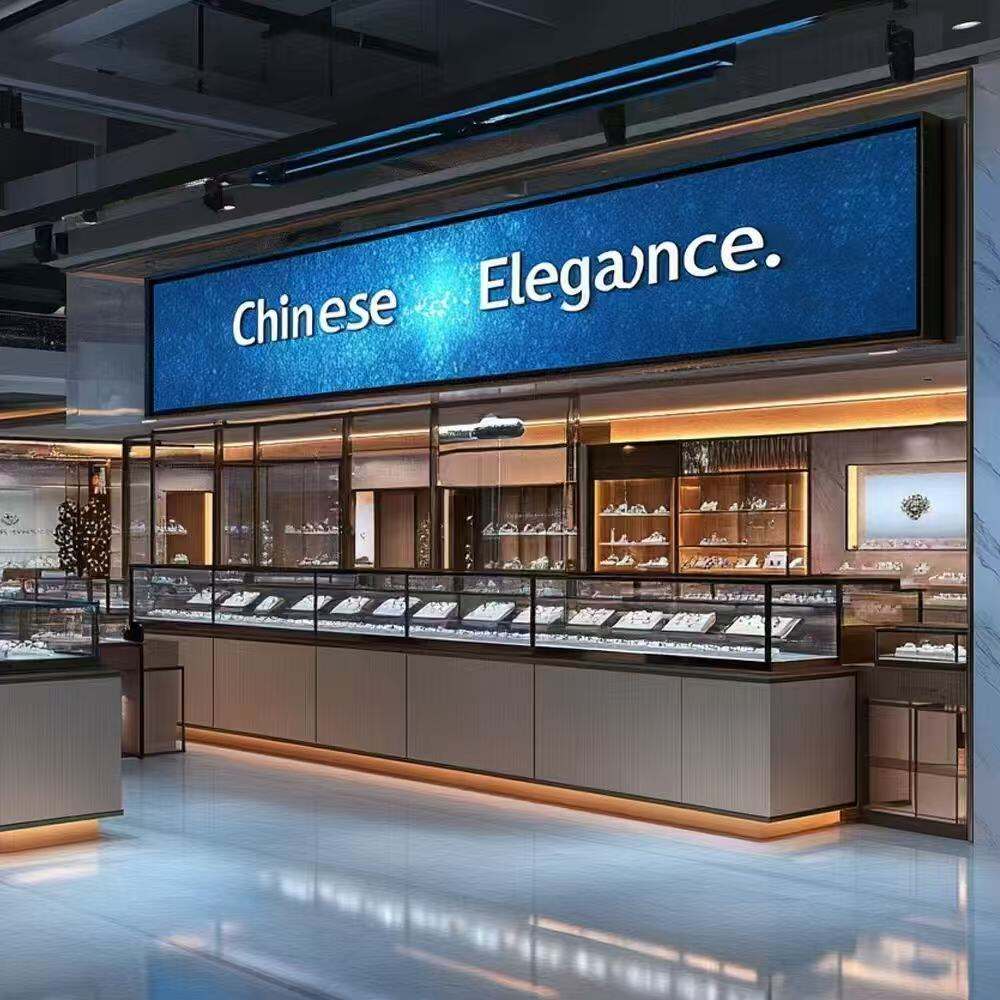
In today's fast-paced business environment, capturing customer attention in high-traffic areas requires strategic visual communication solutions. A wall mounted advertising display serves as a powerful tool for businesses looking to maximize their marketing impact while optimizing valuable floor space. Whether you're managing a retail store, shopping mall, airport, or corporate facility, selecting the right display technology can significantly influence customer engagement and brand visibility. The challenge lies in understanding the unique demands of high-traffic environments and choosing a solution that delivers consistent performance under demanding conditions.
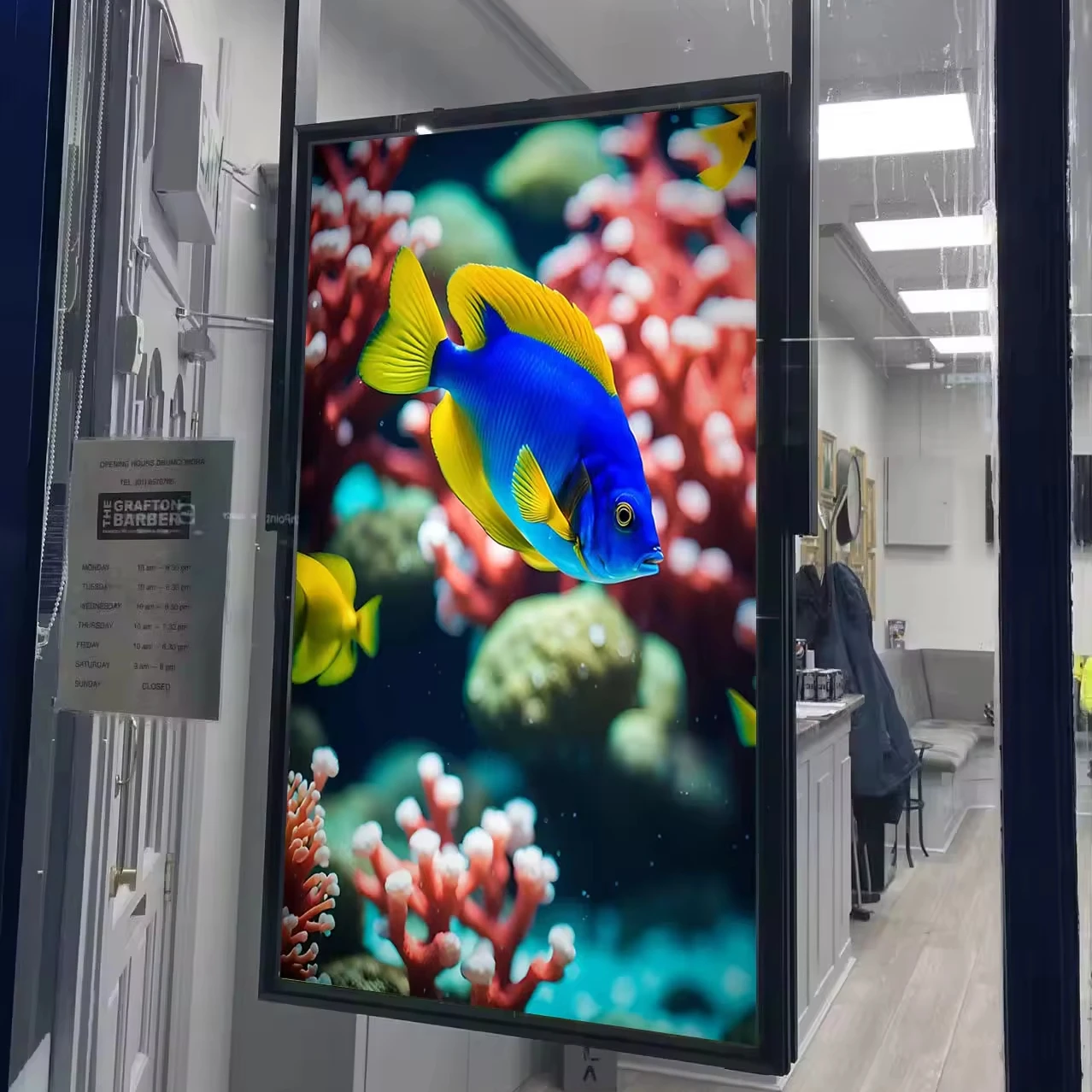
High-traffic locations present distinct challenges that require careful consideration when selecting display solutions. These environments typically experience constant foot traffic, varying lighting conditions, and extended operational hours. A wall mounted advertising display must withstand continuous use while maintaining optimal visual quality and reliability. Understanding these environmental factors helps businesses make informed decisions that ensure long-term success and return on investment.
Understanding Display Technology Options for Commercial Applications
LED Display Technology Advantages
LED technology represents the forefront of display innovation, offering exceptional brightness levels and energy efficiency for commercial applications. Modern LED displays can achieve brightness levels ranging from 1000 to 4000 nits, making them ideal for environments with varying ambient light conditions. This superior brightness capability ensures content visibility even in well-lit areas such as shopping centers and transit hubs. Additionally, LED displays consume significantly less power compared to traditional display technologies, resulting in reduced operational costs over time.
The longevity of LED technology makes it particularly suitable for continuous operation scenarios common in high-traffic areas. Quality LED displays can operate for 50,000 to 100,000 hours before experiencing significant degradation, translating to years of reliable performance. This durability factor becomes crucial when considering total cost of ownership and maintenance requirements. Furthermore, LED displays offer superior color reproduction and contrast ratios, ensuring that advertising content appears vibrant and engaging to viewers.
LCD Display Considerations
LCD technology continues to play an important role in commercial display applications, particularly in environments where budget considerations are paramount. Modern LCD displays have evolved significantly, offering improved brightness levels and enhanced viewing angles suitable for wall mounted advertising display applications. These displays typically provide excellent image quality for indoor applications and offer reliable performance in controlled lighting environments.
When evaluating LCD options for high-traffic areas, consider displays with industrial-grade components designed for extended operation. Commercial-grade LCD displays often feature enhanced backlighting systems and improved thermal management to ensure consistent performance under demanding conditions. While LCD displays may not achieve the extreme brightness levels of LED technology, they remain cost-effective solutions for many indoor commercial applications.
Environmental Factors Affecting Display Performance
Lighting Conditions and Brightness Requirements
Ambient lighting conditions significantly impact the effectiveness of any wall mounted advertising display installation. High-traffic areas often feature complex lighting scenarios, including natural daylight from windows, artificial overhead lighting, and varying illumination throughout different times of day. Understanding these lighting dynamics helps determine the minimum brightness requirements necessary for optimal content visibility.
For areas with direct sunlight exposure or high ambient light levels, displays with brightness capabilities of 2000 nits or higher become essential. Shopping mall concourses, airport terminals, and retail storefronts often require these higher brightness specifications to ensure content remains clearly visible. Conversely, indoor areas with controlled lighting may function effectively with displays offering 500 to 1000 nits brightness, providing cost savings while maintaining adequate performance.
Temperature and Ventilation Considerations
Temperature management plays a critical role in display longevity and performance consistency. High-traffic areas may experience temperature fluctuations due to HVAC systems, seasonal changes, and heat generated by crowds of people. A wall mounted advertising display must operate reliably within specified temperature ranges while managing internal heat generation effectively.
Proper ventilation becomes particularly important for displays operating in enclosed spaces or areas with limited air circulation. Many commercial displays incorporate internal cooling systems and temperature monitoring to prevent overheating and ensure optimal performance. When planning installations, consider the ambient temperature ranges and ensure adequate clearance around displays for proper heat dissipation.
Size and Placement Strategy for Maximum Impact
Viewing Distance and Display Size Optimization
Determining the appropriate size for a wall mounted advertising display requires careful analysis of viewing distances and audience behavior patterns. In high-traffic areas, viewers may observe content from various distances and angles, necessitating displays large enough to maintain readability and impact across different viewing scenarios. The relationship between display size and viewing distance follows established guidelines that help optimize visual effectiveness.
For areas where viewers pass quickly, such as corridors and walkways, larger displays ensure content visibility and comprehension within limited viewing time. Conversely, areas where people congregate or wait may accommodate smaller displays while maintaining effectiveness. Consider the typical dwell time in your specific location when determining optimal display dimensions and content design strategies.
Installation Height and Angle Considerations
Strategic placement height and viewing angles significantly influence the effectiveness of wall mounted advertising display installations. In high-traffic areas, displays must be positioned to maximize visibility while avoiding obstruction from crowds, architectural features, or other environmental elements. The optimal installation height balances accessibility for maintenance with clear sightlines for the intended audience.
Consider the demographics and physical characteristics of your target audience when determining installation height. Areas serving diverse populations may require multiple display positions to accommodate different viewer heights and angles. Additionally, ensure compliance with accessibility guidelines and local building codes when planning display installations in public spaces.
Connectivity and Content Management Solutions
Network Infrastructure Requirements
Modern wall mounted advertising display systems require robust network connectivity to support dynamic content updates and remote management capabilities. High-traffic installations often benefit from centralized content management systems that allow real-time updates across multiple displays simultaneously. Evaluating your existing network infrastructure helps determine necessary upgrades or modifications to support display operations effectively.
Consider both wired and wireless connectivity options based on your specific installation requirements and existing infrastructure. Wired connections typically provide more reliable performance and security, while wireless solutions offer greater installation flexibility. Many commercial display systems support multiple connectivity options, allowing flexibility in deployment scenarios and future expansion plans.
Content Management System Features
Sophisticated content management capabilities enable businesses to maximize the effectiveness of their wall mounted advertising display investments. Look for systems that support scheduling, real-time updates, and multi-display coordination features. These capabilities become particularly valuable in high-traffic environments where content relevance and timing directly impact engagement effectiveness.
Advanced content management systems often include analytics and reporting features that provide insights into display performance and audience engagement. This data helps optimize content strategies and demonstrate return on investment to stakeholders. Integration capabilities with existing business systems and databases further enhance the value proposition of modern display solutions.
Durability and Maintenance Considerations
Commercial Grade Construction Standards
High-traffic environments demand displays built to commercial-grade standards that ensure reliable operation under demanding conditions. Unlike consumer displays, commercial units feature enhanced components designed for continuous operation and extended lifespan. When selecting a wall mounted advertising display, prioritize models with industrial-grade power supplies, enhanced cooling systems, and robust housing construction.
Look for displays with appropriate certifications and ratings that indicate suitability for commercial applications. These certifications often address safety standards, electromagnetic compatibility, and environmental resistance factors. Quality commercial displays typically include extended warranty coverage and professional support services that provide additional value and peace of mind for high-traffic installations.
Preventive Maintenance and Service Access
Establishing a comprehensive maintenance program ensures optimal performance and longevity of wall mounted advertising display installations. High-traffic environments may require more frequent cleaning and inspection schedules due to increased dust accumulation and environmental exposure. Consider displays with easy-access service features that minimize downtime during routine maintenance procedures.
Plan for accessible installation locations that facilitate maintenance activities without disrupting business operations. Many commercial displays offer remote monitoring capabilities that enable proactive identification of potential issues before they impact performance. This predictive approach to maintenance helps minimize unexpected failures and ensures consistent operation in critical high-traffic applications.
Budget Planning and Total Cost of Ownership
Initial Investment Considerations
The initial investment for a wall mounted advertising display system extends beyond the display hardware to include installation, mounting systems, and infrastructure modifications. High-quality displays suitable for high-traffic applications typically command premium pricing but offer superior performance and reliability benefits. When evaluating options, consider the relationship between initial cost and expected performance over the display's operational lifespan.
Factor in additional costs such as professional installation services, mounting hardware, cable management systems, and any necessary electrical work. These ancillary costs can significantly impact total project budgets and should be included in initial planning phases. Obtaining comprehensive quotes that include all necessary components and services helps ensure accurate budget planning and prevents unexpected expenses.
Operating Costs and Return on Investment
Long-term operating costs represent a significant component of total ownership expenses for wall mounted advertising display installations. Energy consumption, maintenance requirements, and content creation costs contribute to ongoing operational expenses that should be evaluated when comparing different display options. Energy-efficient displays may command higher initial prices but offer substantial savings over their operational lifetime.
Calculate potential return on investment by considering increased customer engagement, sales impact, and operational efficiencies enabled by effective display solutions. High-traffic installations often generate measurable business benefits that justify premium display investments. Track performance metrics and customer feedback to quantify the value generated by your display system and optimize content strategies for maximum impact.
FAQ
What brightness level is recommended for wall mounted advertising display installations in shopping malls
Shopping malls typically require displays with brightness levels between 1500 to 3000 nits due to high ambient lighting from storefronts and overhead illumination. The specific brightness requirement depends on the exact location within the mall, with areas near large windows or bright storefronts requiring higher brightness levels. Consider displays with automatic brightness adjustment capabilities to optimize performance throughout different times of day and lighting conditions.
How do I determine the optimal size for a wall mounted advertising display in a high-traffic corridor
The optimal display size for high-traffic corridors depends on typical viewing distances and walking speeds. As a general guideline, allow approximately 1.5 to 2 times the display height as the minimum viewing distance for comfortable content consumption. For corridors where people walk quickly, larger displays ensure content visibility and impact within limited viewing time. Consider 55-inch to 75-inch displays for most corridor applications, adjusting based on specific space dimensions and audience behavior patterns.
What mounting considerations are important for wall mounted advertising display safety in public areas
Safety considerations for public area installations include using commercial-grade mounting systems rated for display weight and environmental conditions. Ensure all mounting hardware meets local building codes and safety standards for public installations. Consider anti-theft mounting systems for valuable displays in accessible locations. Professional installation by certified technicians helps ensure proper mounting and compliance with safety requirements while providing warranty protection for the installation.
How often should wall mounted advertising display content be updated in high-traffic locations
Content update frequency in high-traffic locations should balance freshness with practical management considerations. Many successful installations update primary content weekly or bi-weekly while incorporating daily promotional messages or announcements. High-frequency locations like transit hubs may benefit from more frequent updates or real-time information integration. Monitor audience engagement metrics and feedback to determine optimal update schedules that maintain viewer interest while managing content creation resources effectively.
Table of Contents
- Understanding Display Technology Options for Commercial Applications
- Environmental Factors Affecting Display Performance
- Size and Placement Strategy for Maximum Impact
- Connectivity and Content Management Solutions
- Durability and Maintenance Considerations
- Budget Planning and Total Cost of Ownership
-
FAQ
- What brightness level is recommended for wall mounted advertising display installations in shopping malls
- How do I determine the optimal size for a wall mounted advertising display in a high-traffic corridor
- What mounting considerations are important for wall mounted advertising display safety in public areas
- How often should wall mounted advertising display content be updated in high-traffic locations