
 EN
EN
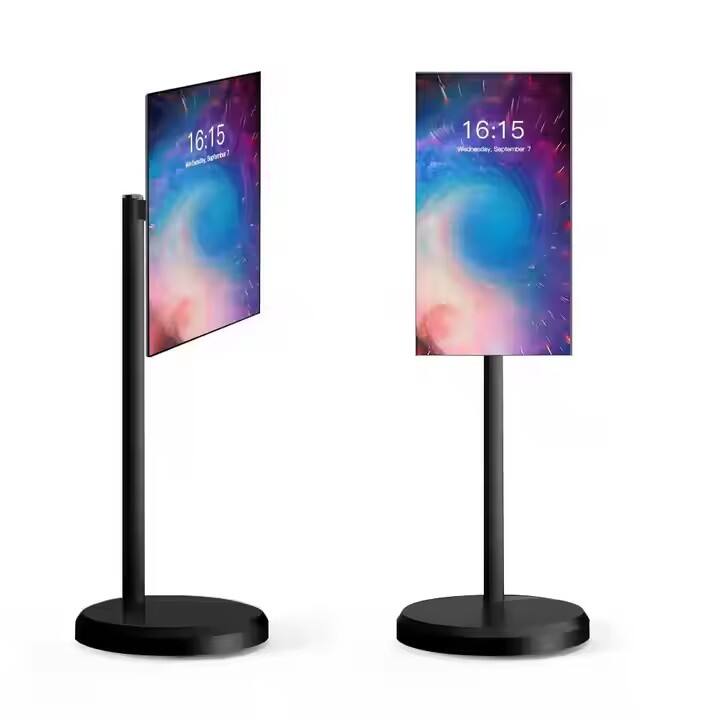
Transforming Communication Through Interactive Display Technology
The landscape of visual communication has undergone a remarkable transformation in recent years, with digital signage emerging as a cornerstone of modern information delivery. From bustling retail environments to corporate offices, transportation hubs, and educational institutions, these dynamic display solutions are reshaping how we interact with information in public spaces. The evolution from static billboards to interactive digital displays represents more than just a technological upgrade – it's a fundamental shift in how businesses and organizations engage with their audiences.
As we venture deeper into the digital age, the applications of digital signage continue to expand, offering unprecedented opportunities for real-time communication, enhanced customer experiences, and data-driven content delivery. This technology has become an integral part of our daily lives, often influencing our decisions and interactions without us even realizing it.
The Evolution of Digital Display Technology
From Static to Dynamic: The Technical Revolution
The journey of digital signage technology began with simple LED displays and has evolved into sophisticated systems powered by artificial intelligence and IoT connectivity. Modern digital signage solutions incorporate advanced features like touch interactivity, motion sensors, and real-time content management systems. These technological advancements have transformed traditional one-way communication into an engaging, two-way dialogue between businesses and their audiences.
Today's digital signage systems leverage high-resolution displays, powerful processing capabilities, and robust networking infrastructure to deliver content that's not just visually stunning but also contextually relevant and timely. The integration of cloud computing has further enhanced the flexibility and scalability of these systems, allowing for centralized control and remote content updates across multiple locations.
Smart Integration and Connectivity
The true power of modern digital signage lies in its ability to integrate with other smart technologies and data sources. Systems can now pull real-time information from various sources, including weather services, social media feeds, inventory management systems, and analytics platforms. This integration enables dynamic content adjustment based on factors such as time of day, audience demographics, and external conditions.
The advancement in connectivity options, including 5G networks, has opened new possibilities for digital signage applications. These high-speed connections support more complex content delivery, including high-definition video streaming, interactive applications, and real-time updates without lag or interruption.
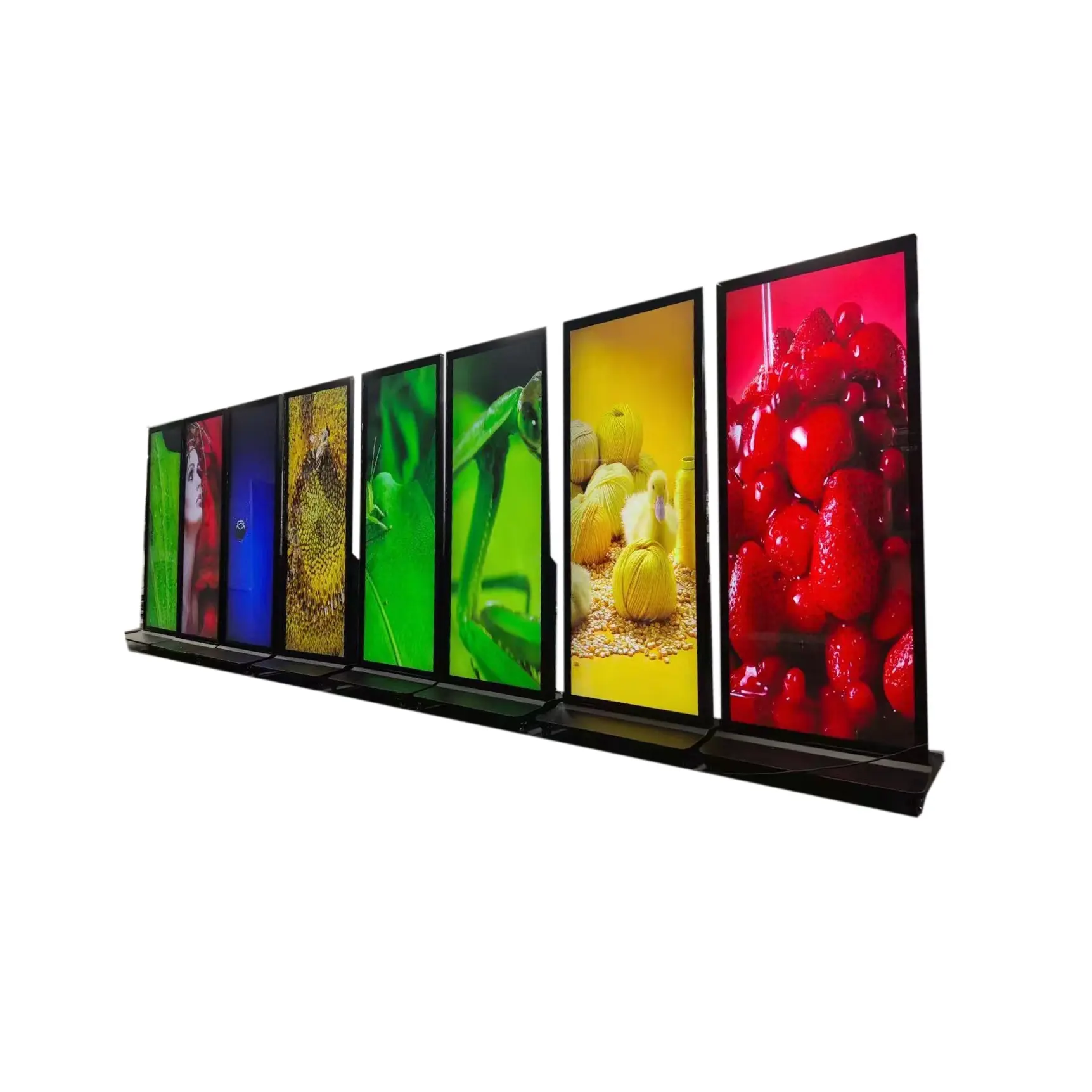
Contemporary Applications Across Industries
Retail Revolution
In the retail sector, digital signage has become an indispensable tool for creating immersive shopping experiences. Retailers use interactive displays to showcase products, provide detailed information, and guide customers through their shopping journey. Smart fitting rooms equipped with digital mirrors allow customers to virtually try on clothes, while digital menu boards in restaurants can automatically update prices and items based on inventory levels and time of day.
The integration of digital signage with mobile applications and customer loyalty programs has created new opportunities for personalized marketing and customer engagement. Retailers can now deliver targeted promotions and recommendations based on customer preferences and shopping history, significantly enhancing the shopping experience.
Corporate Communication Enhancement
Within corporate environments, digital signage serves as a powerful tool for internal communication and workspace management. Companies utilize these systems for everything from real-time performance metrics display to employee announcements and meeting room scheduling. The technology has proven particularly valuable in large office complexes where traditional communication methods may be less effective.
Interactive wayfinding solutions have become increasingly popular in corporate settings, helping visitors and employees navigate complex building layouts. These systems can be updated instantly to reflect changes in office configurations or temporary restrictions, ensuring accurate and current information is always available.
Future Trends and Innovations
Artificial Intelligence and Machine Learning Integration
The future of digital signage is being shaped by artificial intelligence and machine learning capabilities. These technologies enable systems to analyze viewer behavior, optimize content delivery, and even predict audience preferences. AI-powered digital signs can adjust content based on facial recognition, ensuring messages are relevant to the current viewer demographic.
Machine learning algorithms are being employed to analyze foot traffic patterns, engagement rates, and viewer reactions, providing valuable insights for content optimization and placement strategies. This data-driven approach helps organizations maximize the effectiveness of their digital signage investments.
Sustainable and Energy-Efficient Solutions
As environmental consciousness grows, the digital signage industry is focusing on developing more sustainable solutions. New display technologies consume less power while delivering better performance, and smart power management systems automatically adjust brightness and operation times to optimize energy usage.
The integration of renewable energy sources and the use of recycled materials in display manufacturing are becoming increasingly common. These eco-friendly initiatives not only reduce operational costs but also align with corporate sustainability goals.
Frequently Asked Questions
What are the key benefits of implementing digital signage in business?
Digital signage offers numerous advantages including improved customer engagement, real-time content updates, reduced long-term advertising costs, and the ability to display dynamic, interactive content. It also provides valuable analytics and can be integrated with existing business systems for enhanced functionality.
How does digital signage impact customer behavior?
Research shows that digital signage can significantly influence customer decision-making by providing timely information, promoting special offers, and creating immersive experiences. It can increase dwell time in retail environments and improve overall customer satisfaction through interactive engagement.
What should businesses consider before investing in digital signage?
Key considerations include the initial hardware and software costs, content management requirements, installation logistics, maintenance needs, and the potential return on investment. Businesses should also evaluate their specific use cases, target audience, and technical capabilities before implementing a digital signage solution.