
 EN
EN

Display technology has evolved dramatically over the past decade, with transparent oled emerging as one of the most revolutionary innovations in visual communication. Unlike conventional screens that create barriers between viewers and their surroundings, this cutting-edge technology allows light to pass through the display while simultaneously presenting vivid digital content. The transformation from opaque displays to see-through solutions represents a fundamental shift in how we interact with digital information in physical spaces.
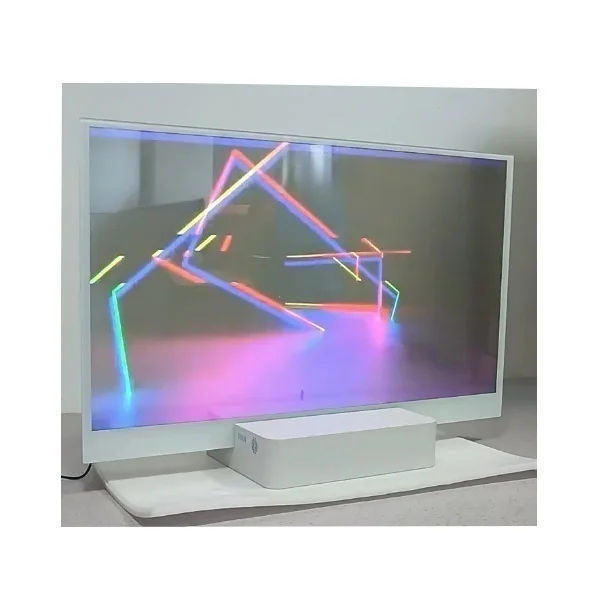
Modern businesses and institutions are increasingly seeking display solutions that seamlessly blend digital content with real-world environments. Traditional screens, while effective for many applications, create visual obstacles and limit spatial design flexibility. The advent of transparent display technology addresses these limitations by offering unprecedented transparency levels while maintaining exceptional image quality and color accuracy. This innovative approach opens new possibilities for retail environments, museums, corporate spaces, and architectural installations.
The transparent oled market has experienced significant growth as manufacturers have overcome technical challenges related to transparency, brightness, and manufacturing costs. Leading companies now produce displays with transparency rates exceeding 40%, making them suitable for demanding commercial applications. These advancements have positioned see-through displays as viable alternatives to traditional digital signage in scenarios where maintaining visual connection with the background environment is crucial.
Revolutionary Transparency Technology
Advanced Light Transmission Capabilities
The fundamental advantage of transparent oled technology lies in its ability to allow light transmission while displaying crisp, colorful images. This dual functionality creates immersive experiences impossible with conventional opaque displays. When content is not actively displayed, the screen becomes nearly invisible, preserving the natural flow of light and maintaining architectural aesthetics. The transparency levels achieved by modern manufacturing processes enable viewers to see through the display clearly while simultaneously observing displayed content.
Traditional LCD and LED displays rely on backlighting systems that inherently block light transmission, making transparency impossible. In contrast, transparent oled panels generate light at the pixel level through organic compounds, eliminating the need for backlighting. This organic light-emitting approach allows individual pixels to remain completely transparent when not activated, creating the see-through effect that defines this technology.
Seamless Environmental Integration
Environmental integration represents another significant advantage where transparent displays excel beyond traditional screen technology. Retail stores can install these displays in windows without obstructing the view of interior merchandise, creating dynamic advertising opportunities while maintaining storefront transparency. Museums and galleries benefit from displaying contextual information directly over artifacts or exhibits without creating visual barriers between visitors and displayed objects.
The architectural applications of transparent oled technology extend beyond simple display functions to include interactive wall systems and smart glass solutions. Building designers can incorporate these displays into facades, partitions, and interior elements without compromising natural lighting or spatial openness. This integration capability transforms how architects approach digital elements in modern building design, offering new creative possibilities for intelligent building systems.
Superior Visual Performance Characteristics
Enhanced Contrast and Color Accuracy
Visual performance represents a critical area where transparent oled technology demonstrates clear advantages over traditional display technologies. The self-emissive nature of organic light-emitting diodes enables each pixel to produce its own light, resulting in true black levels and infinite contrast ratios. Traditional LCD displays struggle to achieve deep blacks due to backlight bleeding, while transparent oled panels can completely turn off individual pixels, creating perfect black representation.
Color reproduction accuracy in transparent oled displays often exceeds that of conventional screens due to the precise control possible with organic compounds. The technology supports wide color gamuts, including DCI-P3 and Rec.2020 color spaces, ensuring accurate color representation across various content types. This color accuracy is particularly important in professional applications such as medical imaging, design studios, and high-end retail environments where color fidelity is paramount.
Dynamic Range and Brightness Management
The dynamic range capabilities of transparent oled technology provide significant advantages in challenging lighting environments. Unlike traditional displays that must compete with ambient light through increased backlight intensity, transparent displays can adjust pixel-level brightness independently. This granular control allows for optimal visibility in both bright and dim lighting conditions without compromising transparency or energy efficiency.
Peak brightness levels in modern transparent oled displays have improved substantially, reaching levels suitable for daylight viewing applications. The combination of high peak brightness with perfect black levels creates exceptional dynamic range, enabling detailed content visibility even when background illumination varies significantly. This adaptability makes transparent displays more versatile than traditional screens in diverse environmental conditions.
Energy Efficiency and Sustainability Benefits
Reduced Power Consumption Profiles
Energy efficiency represents a compelling advantage of transparent oled technology compared to traditional display systems. The elimination of backlighting systems significantly reduces baseline power consumption, as pixels only consume energy when actively displaying content. Dark or black content areas consume virtually no power, creating substantial energy savings in applications with predominantly dark backgrounds or intermittent content display.
Traditional LCD displays maintain constant backlight operation regardless of displayed content, resulting in consistent power draw even when showing black images. The pixel-level power control in transparent oled displays enables dynamic energy management based on content characteristics. This efficiency becomes particularly pronounced in applications with animated content, text overlays, or sparse graphical elements where significant portions of the display remain transparent.
Environmental Impact Considerations
The environmental benefits of transparent oled technology extend beyond energy efficiency to include reduced material usage and improved recyclability. The simplified construction eliminates multiple layers required in traditional LCD assemblies, including backlighting modules, light guides, and polarizing filters. This streamlined design reduces manufacturing complexity and material waste while improving end-of-life recyclability.
Longevity characteristics of transparent oled displays have improved significantly with recent manufacturing advances, reducing replacement frequency compared to traditional displays. The organic materials used in modern transparent oled panels maintain stable performance over extended operational periods, minimizing electronic waste generation. This sustainability advantage aligns with corporate environmental responsibility initiatives and green building certification requirements.
Innovative Application Possibilities
Retail and Commercial Display Solutions
Commercial applications represent one of the most promising areas where transparent oled technology offers distinct advantages over traditional display approaches. Retail environments benefit from the ability to overlay product information, pricing, and promotional content directly onto physical merchandise without obscuring the products themselves. This capability creates engaging shopping experiences while maintaining product visibility and store aesthetics.
Restaurant and hospitality applications leverage transparent displays for menu systems, wine cellar presentations, and interactive information kiosks. The see-through nature preserves architectural elements and ambient lighting while providing dynamic content capabilities. Hotels can integrate these displays into lobby areas, elevator systems, and guest room amenities without compromising interior design coherence.
Educational and Museum Applications
Educational institutions and museums find significant value in transparent oled technology for interactive learning experiences and exhibit enhancements. Science museums can display molecular structures, historical timelines, or interactive demonstrations directly over physical specimens and artifacts. This overlay capability provides contextual information without creating barriers between visitors and exhibits, enhancing learning engagement and comprehension.
Classroom applications include interactive whiteboards that maintain transparency when not in active use, preserving natural lighting and room openness. The technology enables educators to overlay digital content onto physical demonstrations, creating hybrid learning experiences that combine digital and physical elements seamlessly. These applications demonstrate how transparent displays can enhance rather than replace traditional teaching methods.
Technical Implementation Advantages
Installation Flexibility and Design Integration
Installation advantages of transparent oled displays include reduced structural requirements and improved design flexibility compared to traditional screen installations. The lightweight construction and elimination of bulky backlighting systems enable mounting options impossible with conventional displays. Wall-mounted, ceiling-suspended, and freestanding configurations can be implemented with minimal structural modifications to existing buildings.
The slim profile characteristics of transparent oled technology allow integration into existing architectural elements such as windows, partitions, and decorative panels. This integration capability reduces installation complexity and preserves original design intentions while adding digital functionality. Retrofit applications become more feasible as the technology requires minimal structural changes to accommodate display installation.
Maintenance and Operational Simplicity
Maintenance requirements for transparent oled displays are often simpler than traditional display systems due to the reduced component complexity and elimination of backlighting systems. The solid-state nature of organic light-emitting technology provides reliable operation with fewer failure points compared to conventional displays with multiple electronic subsystems. This reliability translates to reduced maintenance costs and improved system uptime in critical applications.
Cleaning and care procedures for transparent displays are straightforward, as the smooth surface construction prevents dust accumulation in ventilation areas required by traditional displays. The absence of cooling fans and complex backlighting assemblies reduces maintenance touchpoints while improving overall system reliability. These operational advantages contribute to lower total cost of ownership over the display lifecycle.
Cost-Effectiveness and Return on Investment
Long-term Economic Benefits
While initial costs of transparent oled technology may exceed traditional display solutions, the long-term economic benefits often justify the investment through energy savings, reduced maintenance, and enhanced functionality. The energy efficiency gains become particularly significant in large-scale installations where power consumption directly impacts operational expenses. Commercial applications with continuous operation schedules realize substantial savings through reduced electricity consumption.
The versatility of transparent displays enables multiple functions within a single installation, potentially replacing several traditional display units. Retail environments can eliminate separate window displays, interior signage, and promotional screens by implementing comprehensive transparent oled solutions. This consolidation reduces hardware costs, simplifies content management, and improves visual coherence across commercial spaces.
Enhanced Customer Engagement Value
Customer engagement benefits provided by transparent oled technology often generate measurable returns on investment through increased dwell time, improved brand recall, and enhanced purchase conversion rates. The novelty and visual impact of see-through displays attract attention more effectively than traditional signage, creating memorable brand experiences that influence purchasing decisions. Studies indicate that innovative display technologies can increase customer engagement by significant percentages compared to conventional advertising methods.
The interactive possibilities enabled by transparent oled displays create opportunities for data collection and customer analytics impossible with traditional static signage. Touch-enabled transparent displays can gather user interaction data while providing engaging experiences, creating valuable insights for business optimization. This data generation capability adds value beyond simple advertising display functions, supporting comprehensive customer relationship management strategies.
FAQ
How does transparent OLED compare to traditional LCD displays in terms of image quality
Transparent OLED displays typically provide superior image quality compared to traditional LCD displays due to their self-emissive pixel technology and infinite contrast ratios. Each pixel generates its own light, eliminating the backlight bleeding issues common in LCD displays and enabling perfect black levels. The color accuracy and viewing angles are also generally superior in transparent OLED technology, making them ideal for professional applications where image quality is critical.
What are the main applications where transparent OLED offers advantages over conventional screens
Transparent OLED displays excel in retail window displays, museum exhibits, architectural installations, and automotive applications where maintaining visual connection with background elements is important. They are particularly valuable in luxury retail environments, interactive kiosks, smart building facades, and any application requiring seamless integration with existing architectural elements while providing dynamic digital content capabilities.
Are transparent OLED displays more expensive than traditional display technologies
Initially, transparent OLED displays typically have higher upfront costs compared to traditional LCD or LED displays due to the specialized manufacturing processes and materials required. However, the total cost of ownership often favors transparent OLED technology when considering energy savings, reduced maintenance requirements, versatile functionality, and the potential for increased customer engagement and revenue generation in commercial applications.
What transparency levels can modern transparent OLED displays achieve
Modern transparent OLED displays can achieve transparency levels ranging from 10% to over 40%, depending on the specific technology and manufacturing approach used. Higher transparency levels are continuously being developed, with some research prototypes achieving even greater see-through capabilities. The optimal transparency level depends on the specific application requirements, with retail displays typically using 20-40% transparency while architectural applications may require higher levels for seamless integration.
Table of Contents
- Revolutionary Transparency Technology
- Superior Visual Performance Characteristics
- Energy Efficiency and Sustainability Benefits
- Innovative Application Possibilities
- Technical Implementation Advantages
- Cost-Effectiveness and Return on Investment
-
FAQ
- How does transparent OLED compare to traditional LCD displays in terms of image quality
- What are the main applications where transparent OLED offers advantages over conventional screens
- Are transparent OLED displays more expensive than traditional display technologies
- What transparency levels can modern transparent OLED displays achieve