
 EN
EN
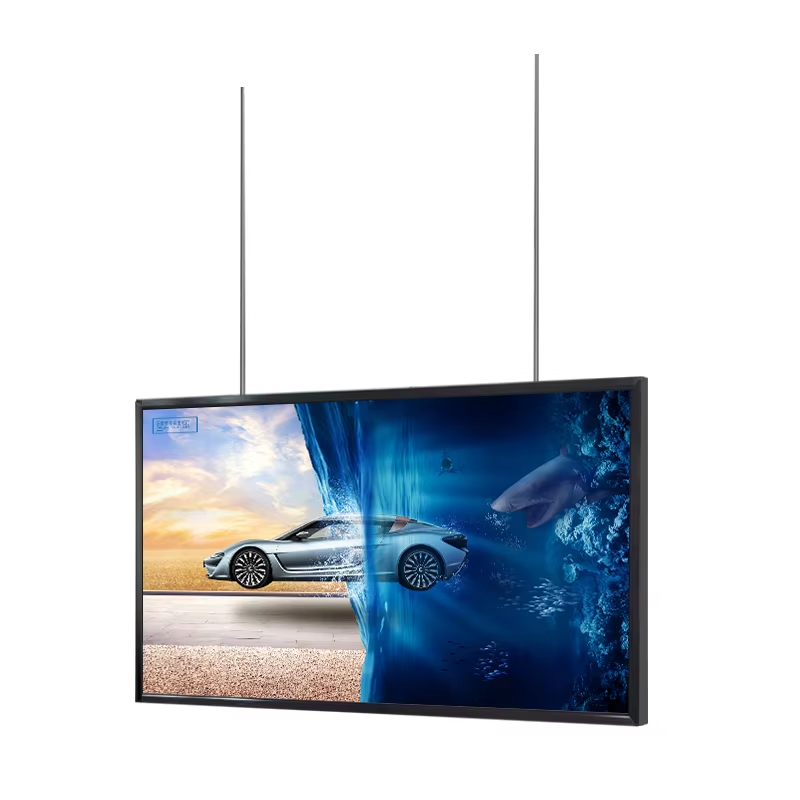
Modern businesses increasingly rely on dynamic visual displays to capture attention and engage customers in competitive outdoor environments. The effectiveness of an advertising screen outdoor depends on multiple technical, environmental, and operational factors that work together to deliver compelling visual experiences. Understanding these critical elements enables businesses to maximize their investment returns while ensuring consistent performance across diverse outdoor conditions.
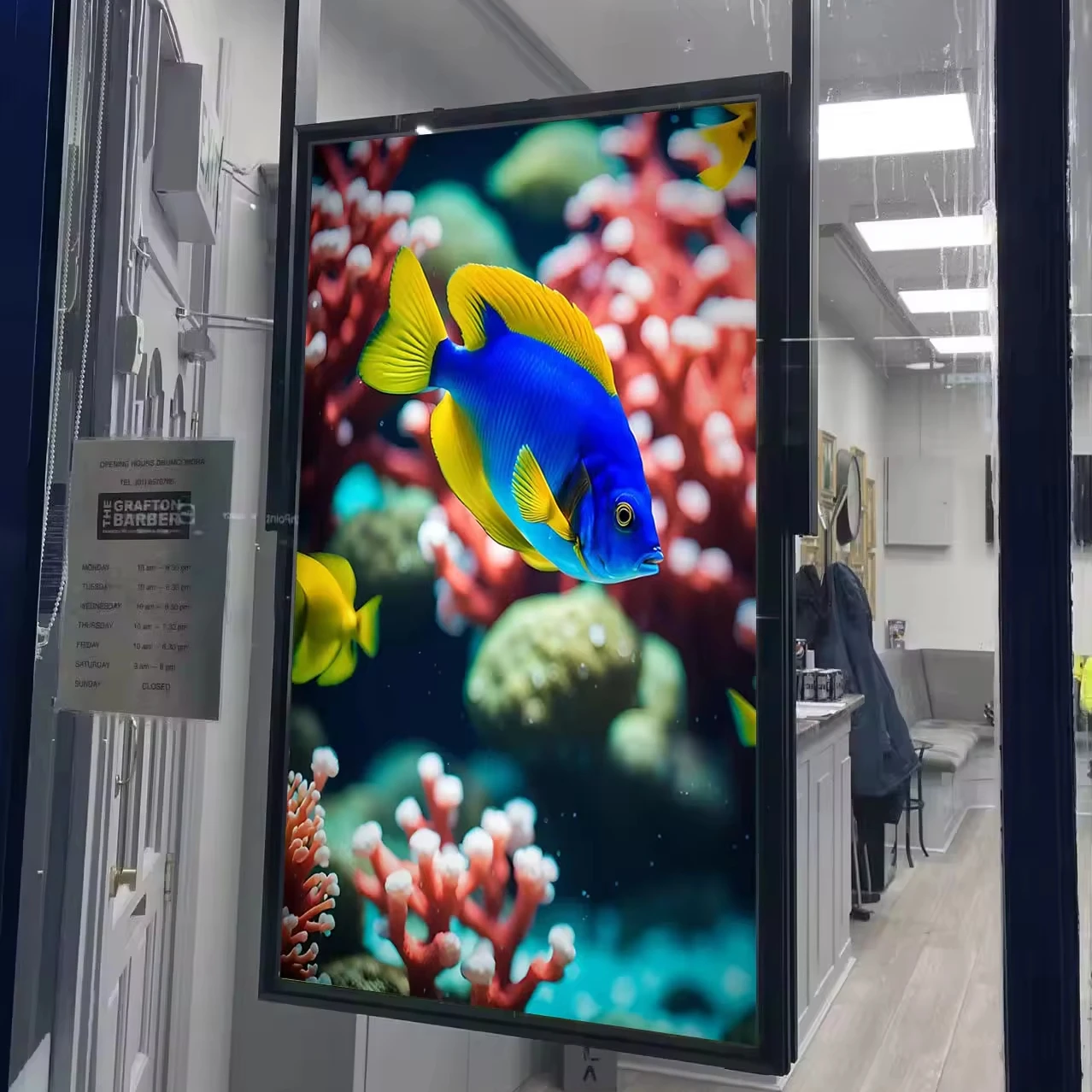
The performance characteristics of outdoor digital displays encompass brightness capabilities, weatherproofing standards, thermal management systems, and content optimization strategies. Each component plays a vital role in determining the overall effectiveness and longevity of outdoor advertising installations. Professional installers and business owners must carefully evaluate these factors to select the most suitable display solutions for their specific applications and environmental conditions.
Brightness and Visibility Requirements
High-Brightness Display Technology
The brightness capability represents the most critical performance factor for any advertising screen outdoor deployment. Outdoor environments present unique challenges including direct sunlight, varying ambient light conditions, and reflective surfaces that can significantly impact display visibility. Professional-grade outdoor displays typically require brightness levels ranging from 2,500 to 10,000 nits to maintain clear visibility during peak daylight hours.
Advanced LED backlighting systems and specialized optical films enable modern displays to achieve these extreme brightness levels while maintaining color accuracy and energy efficiency. The brightness requirements vary depending on the installation location, with south-facing displays requiring higher brightness levels compared to shaded or north-facing installations. Proper brightness calibration ensures optimal viewing experiences across different times of day and seasonal lighting conditions.
Automatic Brightness Adjustment
Intelligent brightness control systems automatically adjust display luminance based on ambient light conditions, optimizing visibility while conserving energy consumption. These systems utilize integrated light sensors to continuously monitor environmental conditions and make real-time adjustments to display brightness levels. This adaptive approach extends display lifespan while maintaining consistent visual quality throughout varying lighting conditions.
The implementation of automatic brightness adjustment reduces operational costs by preventing unnecessary energy consumption during low-light periods. Advanced control algorithms can be programmed with custom brightness curves that align with specific business requirements and local environmental conditions. This intelligent approach ensures that an advertising screen outdoor delivers optimal performance while minimizing long-term operational expenses.
Weather Protection and Durability
Ingress Protection Standards
Comprehensive weather protection represents a fundamental requirement for outdoor display installations, with industry-standard IP65 or IP66 ratings providing essential protection against dust, moisture, and environmental contaminants. These protection standards ensure that internal components remain secure against rain, snow, dust storms, and other harsh weather conditions commonly encountered in outdoor environments.
The construction quality of protective enclosures directly impacts the long-term reliability and maintenance requirements of outdoor displays. High-quality sealing systems, corrosion-resistant materials, and robust mechanical designs contribute to extended operational lifespans and reduced maintenance costs. Professional installations include comprehensive weatherproofing measures that protect electrical connections, cooling systems, and internal components from environmental exposure.
Temperature Management Systems
Effective thermal management ensures consistent performance across extreme temperature ranges, with professional outdoor displays designed to operate reliably in temperatures ranging from -20°C to +60°C. Advanced cooling systems utilize forced air circulation, heat dissipation fins, and intelligent fan control to maintain optimal operating temperatures even under direct sunlight exposure.
Thermal protection systems prevent overheating damage while maintaining display performance during peak summer conditions. These systems include temperature monitoring, automatic brightness reduction during extreme heat, and emergency shutdown protocols to protect internal components. Proper thermal management extends component lifespan and ensures reliable operation throughout seasonal temperature variations that affect advertising screen outdoor installations.
Content Optimization and Display Quality
Resolution and Image Processing
High-resolution display panels ensure crisp, detailed image reproduction that maintains visual impact across varying viewing distances typical in outdoor advertising applications. Modern outdoor displays feature 4K or higher resolutions combined with advanced image processing engines that optimize content for outdoor viewing conditions. These processing systems enhance contrast, adjust color saturation, and apply sharpening algorithms to compensate for ambient light interference.
Professional image processing capabilities enable real-time content optimization based on environmental conditions and viewing angles. Advanced scaling algorithms ensure that content maintains visual quality when displayed at different resolutions or aspect ratios. The combination of high native resolution and intelligent processing delivers superior image quality that captures viewer attention and conveys marketing messages effectively in challenging outdoor environments.
Color Accuracy and Gamut
Accurate color reproduction becomes particularly challenging in outdoor environments where ambient light affects perceived color temperature and saturation levels. Professional outdoor displays incorporate wide color gamut technologies and advanced color management systems that maintain consistent color reproduction across varying lighting conditions. These systems compensate for ambient light interference while preserving brand-accurate colors essential for effective advertising campaigns.
Calibrated display systems ensure that advertising content appears as intended regardless of environmental lighting variations. Color temperature adjustment capabilities allow displays to adapt to different times of day, maintaining optimal visual appeal during both daylight and evening hours. This adaptive color management ensures that an advertising screen outdoor consistently delivers brand-accurate visual content that maintains marketing effectiveness across all operating conditions.
Power Consumption and Energy Efficiency
LED Technology Benefits
Modern LED display technology offers significant energy efficiency advantages compared to traditional display technologies, reducing operational costs while maintaining superior brightness and image quality. LED-based displays consume substantially less power per unit of brightness output, making them ideal for continuous outdoor operation where energy costs can significantly impact total cost of ownership.
Advanced LED driver circuits incorporate power management features that optimize energy consumption based on content requirements and ambient conditions. These intelligent systems reduce power consumption during low-brightness periods while maintaining full performance capability when maximum brightness is required. The energy efficiency of LED technology directly contributes to reduced operational expenses and improved environmental sustainability for outdoor advertising installations.
Power Management Systems
Comprehensive power management systems monitor and control energy consumption across all display components, implementing intelligent scheduling and load balancing to minimize operational costs. These systems can automatically reduce display brightness during off-peak hours, implement standby modes during non-operating periods, and optimize component operation to extend hardware lifespan.
Advanced power management capabilities include remote monitoring and control functions that enable facility managers to optimize energy consumption based on real-time usage patterns and environmental conditions. These systems provide detailed energy consumption reporting and predictive maintenance alerts that help optimize long-term operational efficiency for advertising screen outdoor installations.
Installation and Mounting Considerations
Structural Requirements
Proper structural mounting represents a critical factor in outdoor display performance, with installation systems designed to withstand wind loads, seismic forces, and thermal expansion cycles. Professional mounting systems incorporate engineered brackets, reinforced connections, and safety factors that ensure display stability under extreme weather conditions including high winds and storm events.
The mounting structure must accommodate the specific weight, dimensions, and thermal characteristics of the display while providing secure attachment to building structures or dedicated support poles. Engineering calculations consider local building codes, wind load requirements, and seismic considerations to ensure safe and compliant installations. Proper structural design prevents display damage while ensuring public safety in outdoor environments.
Accessibility and Maintenance
Strategic installation planning includes provisions for routine maintenance access, component replacement, and cleaning procedures that maintain optimal display performance over extended operational periods. Accessible mounting systems enable technicians to perform necessary maintenance tasks safely and efficiently without requiring specialized equipment or extensive downtime.
Maintenance accessibility directly impacts the long-term operational costs and reliability of outdoor advertising installations. Well-designed installations include service panels, removable components, and clear access paths that facilitate regular maintenance procedures. This proactive approach to maintenance accessibility ensures that an advertising screen outdoor maintains peak performance while minimizing service disruptions and associated costs.
Connectivity and Content Management
Network Infrastructure
Reliable network connectivity enables remote content management, performance monitoring, and system diagnostics that are essential for professional outdoor advertising operations. Modern displays support multiple connectivity options including Ethernet, Wi-Fi, and cellular connections that provide redundant communication paths for critical business applications.
Network infrastructure considerations include bandwidth requirements for high-resolution content delivery, security protocols for protecting advertising content, and backup communication systems that ensure continuous operation even during primary network outages. Professional installations incorporate enterprise-grade networking equipment and redundant connections that guarantee reliable content delivery and system management capabilities.
Content Scheduling and Management
Advanced content management systems enable sophisticated scheduling, playlist management, and real-time content updates that maximize advertising effectiveness and revenue generation opportunities. These systems support multiple content formats, automated scheduling based on time and date parameters, and integration with external data sources for dynamic content updates.
Professional content management platforms provide detailed analytics and reporting capabilities that help advertisers optimize campaign effectiveness and measure return on investment. These systems track viewer engagement metrics, content performance statistics, and system operational data that enable continuous improvement of advertising strategies and technical performance for advertising screen outdoor deployments.
FAQ
What brightness level is required for effective outdoor advertising displays
Professional outdoor advertising displays typically require brightness levels between 2,500 and 10,000 nits to maintain clear visibility during direct sunlight conditions. The specific brightness requirement depends on the installation location, with south-facing displays requiring higher brightness levels compared to shaded installations. Automatic brightness adjustment systems optimize visibility while conserving energy consumption throughout varying lighting conditions.
How do weather protection standards affect outdoor display performance
Industry-standard IP65 or IP66 weather protection ratings ensure that outdoor displays remain operational during rain, snow, dust storms, and other harsh environmental conditions. Comprehensive weatherproofing includes sealed enclosures, corrosion-resistant materials, and protective coatings that prevent moisture ingress and environmental contamination. Proper weather protection directly impacts display lifespan and reduces maintenance requirements for outdoor installations.
What factors determine the energy efficiency of outdoor advertising screens
LED display technology offers superior energy efficiency compared to traditional display technologies, consuming significantly less power per unit of brightness output. Advanced power management systems optimize energy consumption based on content requirements and ambient conditions, implementing intelligent brightness control and standby modes. Energy efficiency directly impacts operational costs and environmental sustainability for continuous outdoor operation.
How important is professional installation for outdoor advertising display performance
Professional installation ensures proper structural mounting, weatherproofing, electrical connections, and network integration that are critical for reliable outdoor display operation. Engineered mounting systems account for wind loads, seismic forces, and thermal expansion while maintaining display stability under extreme weather conditions. Proper installation practices prevent equipment damage and ensure compliance with local building codes and safety requirements.
Table of Contents
- Brightness and Visibility Requirements
- Weather Protection and Durability
- Content Optimization and Display Quality
- Power Consumption and Energy Efficiency
- Installation and Mounting Considerations
- Connectivity and Content Management
-
FAQ
- What brightness level is required for effective outdoor advertising displays
- How do weather protection standards affect outdoor display performance
- What factors determine the energy efficiency of outdoor advertising screens
- How important is professional installation for outdoor advertising display performance