
 EN
EN
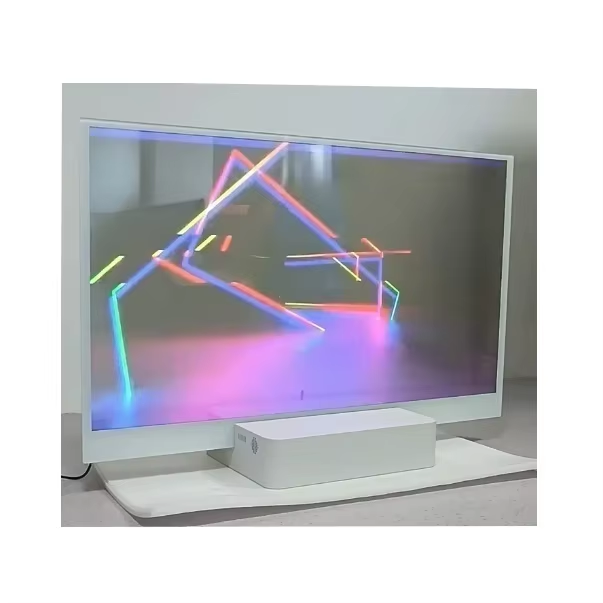
The display technology landscape has undergone remarkable transformation in recent years, with transparent oled emerging as a revolutionary solution that bridges the gap between digital innovation and physical environments. This cutting-edge technology enables displays to maintain transparency while delivering vibrant visual content, creating unprecedented opportunities for industries seeking to enhance user experiences without compromising spatial aesthetics. As businesses increasingly recognize the potential of see-through displays, transparent oled adoption has accelerated across multiple sectors, from retail and automotive to healthcare and smart building applications.
The fundamental appeal of transparent oled technology lies in its ability to overlay digital information onto real-world environments seamlessly. Unlike traditional displays that create visual barriers, transparent screens maintain environmental visibility while providing dynamic content delivery. This unique characteristic has captured the attention of forward-thinking organizations looking to differentiate their offerings and create immersive customer experiences that were previously impossible with conventional display technologies.
Retail and Commercial Applications Leading Market Adoption
Window Display Transformation in Premium Retail
Luxury retailers have embraced transparent oled displays as powerful tools for creating captivating storefront experiences. High-end fashion brands, jewelry stores, and electronics retailers are installing these innovative screens in their window displays to showcase products while maintaining visibility into store interiors. The technology allows retailers to present dynamic product information, promotional content, and brand storytelling without obstructing the view of physical merchandise behind the display.
Department stores and shopping centers are increasingly incorporating transparent oled panels into their architectural designs, creating interactive wayfinding systems and promotional displays that enhance the shopping experience. These installations provide real-time information about sales, events, and product locations while preserving the open, welcoming atmosphere that modern retail environments strive to achieve. The seamless integration of digital content with physical spaces has proven particularly effective in driving customer engagement and dwell time.
Interactive Kiosks and Information Systems
Commercial environments are deploying transparent oled technology in interactive kiosks and information displays throughout airports, hotels, and corporate facilities. These applications leverage the transparency feature to maintain sight lines and spatial awareness while providing essential information and services. Hotel lobbies use transparent displays for check-in systems and concierge services, allowing guests to access information without feeling isolated from the surrounding environment.
Corporate offices and conference centers have integrated transparent oled displays into reception areas and meeting spaces, creating sophisticated presentation systems that can display company information, visitor guidance, and meeting schedules while maintaining the professional aesthetic of modern workplace design. The technology's ability to become nearly invisible when not actively displaying content makes it ideal for environments where visual clutter must be minimized.
Automotive Industry Pioneering Transparent Display Integration
Next-Generation Head-Up Display Systems
The automotive industry represents one of the most promising markets for transparent oled technology, with manufacturers exploring advanced head-up display systems that project critical driving information directly onto windshields and windows. These applications go beyond traditional HUD capabilities by providing full-color, high-resolution displays that can show navigation data, safety alerts, and vehicle status information while maintaining complete visibility of the road ahead.
Premium automotive brands are developing concept vehicles that incorporate large-scale transparent displays across entire windshield surfaces, creating immersive augmented reality experiences for drivers and passengers. These systems can highlight points of interest, provide real-time traffic information, and even display entertainment content for passengers while ensuring that driver visibility remains uncompromised. The integration of transparent oled technology in automotive applications represents a significant step toward fully connected, intelligent vehicle systems.
Interior Display Applications and Passenger Experience
Beyond windshield applications, automotive manufacturers are exploring transparent oled integration in side windows, sunroofs, and interior partitions to enhance passenger experiences in luxury vehicles and commercial transportation. These displays can provide entertainment content, environmental information, and interactive controls while maintaining the open feel that passengers expect from premium vehicle interiors.
Public transportation systems are beginning to adopt transparent oled technology for bus and train windows, providing passengers with route information, local points of interest, and advertising content while preserving their ability to view the passing scenery. This application has proven particularly valuable in tourist areas and urban environments where combining transportation with information delivery creates additional value for passengers and revenue opportunities for transit operators.
Healthcare and Medical Technology Applications
Advanced Medical Imaging and Surgical Applications
Healthcare facilities are investigating transparent oled displays for specialized medical applications where maintaining visibility of patients or equipment while displaying critical information is essential. Operating rooms can benefit from transparent displays that overlay patient data, surgical guidance, and monitoring information without obstructing the surgeon's view of the patient or surgical field.
Medical imaging applications are exploring transparent oled technology for creating layered visualization systems that can display multiple types of diagnostic data simultaneously. Radiologists and diagnosticians can compare different imaging modalities while maintaining reference to anatomical structures, improving diagnostic accuracy and workflow efficiency. The technology's high resolution and color accuracy make it particularly suitable for medical applications where precision is critical.
Patient Care and Hospital Information Systems
Hospitals and healthcare facilities are implementing transparent oled displays in patient rooms and nursing stations to provide real-time health monitoring information while maintaining visual connection between caregivers and patients. These systems can display vital signs, medication schedules, and care instructions while allowing healthcare workers to maintain visual supervision of patient areas.
Pharmacy and laboratory environments are adopting transparent displays for inventory management and process monitoring systems that provide critical information while maintaining visibility of work areas and safety equipment. The technology's ability to display information on demand while remaining transparent when not needed makes it ideal for environments where both information access and spatial awareness are essential.
Smart Building and Architecture Integration
Interactive Building Management Systems
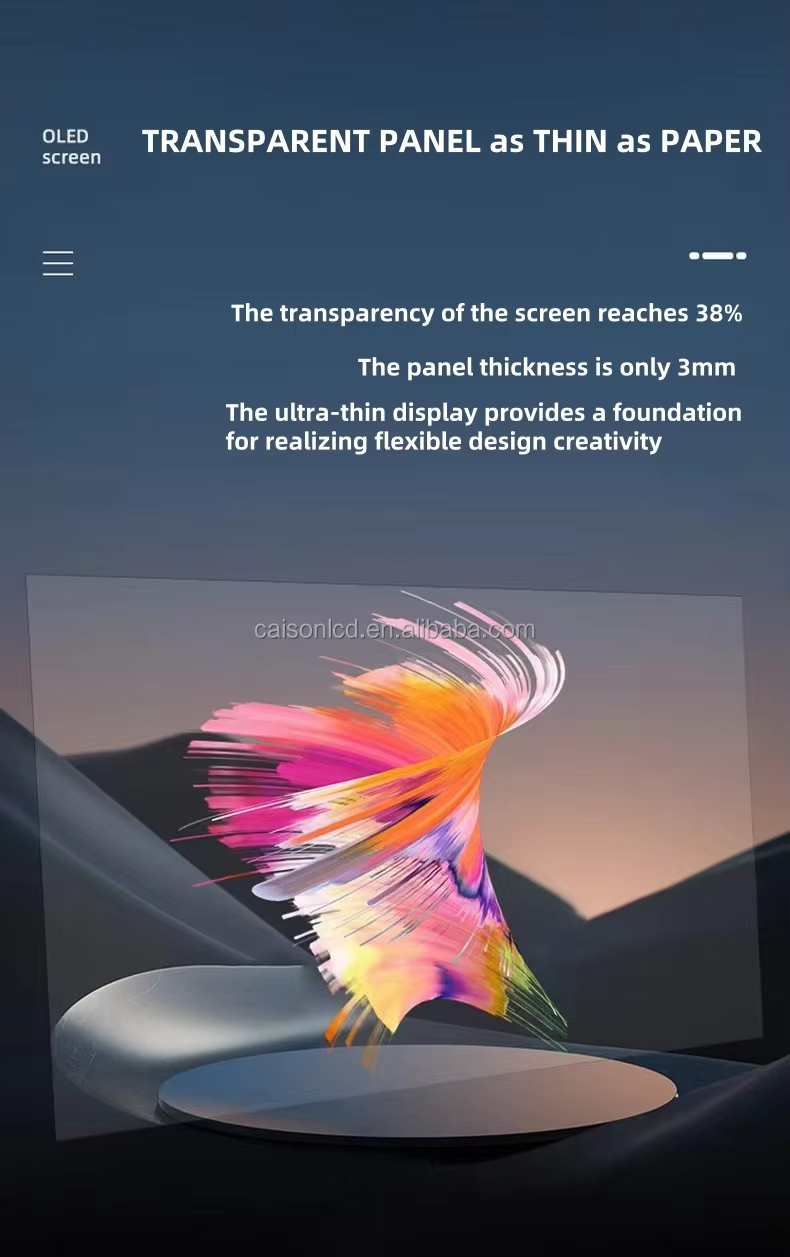
Modern smart buildings are incorporating transparent oled technology into their infrastructure to create advanced building management and tenant information systems. These applications include elevator displays, directory systems, and environmental controls that provide information and functionality while maintaining the architectural aesthetics of contemporary building design.
Office buildings are using transparent displays in lobby areas and common spaces to provide building information, event announcements, and wayfinding assistance while preserving the open, professional atmosphere that tenants and visitors expect. The technology's energy efficiency and longevity make it particularly attractive for building operators looking to reduce maintenance costs and environmental impact.
Residential and Smart Home Applications
High-end residential developments and smart home systems are beginning to integrate transparent oled displays into windows, mirrors, and glass partitions to provide home automation controls, security information, and entertainment options while maintaining the clean, uncluttered aesthetic that modern homeowners prefer. These installations can display weather information, calendar events, and home system status while remaining virtually invisible when not in use.
Kitchen and bathroom applications are exploring transparent oled integration into cabinet doors and mirror surfaces, providing recipe information, health monitoring data, and smart home controls while preserving the functionality and appearance of traditional fixtures. The technology's resistance to environmental factors makes it suitable for these challenging residential applications.
Entertainment and Hospitality Industry Innovation
Immersive Entertainment Experiences
Entertainment venues including theaters, museums, and theme parks are adopting transparent oled technology to create immersive experiences that blend digital content with physical environments. Museums use transparent displays to overlay historical information and interactive content onto exhibit cases while maintaining visibility of artifacts and specimens.
Concert venues and entertainment facilities are incorporating large-scale transparent displays into stage designs and audience areas, creating dynamic visual effects that enhance performances while maintaining sight lines and safety requirements. The technology's ability to create seemingly floating visual content has opened new possibilities for creative expression and audience engagement.
Hospitality and Guest Experience Enhancement
Hotels and resorts are implementing transparent oled displays in guest rooms and common areas to provide information and entertainment services while maintaining the luxurious, uncluttered atmosphere that guests expect from premium accommodations. Bathroom mirrors with integrated transparent displays can show weather information, news updates, and hotel services while functioning as traditional mirrors.
Restaurant and bar environments are using transparent displays for menu presentation, promotional content, and interactive ordering systems that enhance the dining experience while preserving the ambiance and social atmosphere that customers seek. The technology's ability to display content on demand while remaining transparent during non-use periods makes it ideal for hospitality applications where atmosphere is crucial.
Manufacturing and Industrial Applications
Production Line Monitoring and Quality Control
Manufacturing facilities are exploring transparent oled applications for production line monitoring systems that provide real-time operational data while maintaining visibility of manufacturing processes. These displays can show quality control metrics, production targets, and safety information while allowing supervisors to monitor equipment and worker activities directly.
Industrial environments with strict safety requirements are implementing transparent displays for hazard warnings, process status indicators, and emergency information systems that provide critical data while ensuring that workers maintain situational awareness of their surroundings. The technology's durability and visibility in various lighting conditions make it suitable for demanding industrial applications.
Logistics and Warehouse Management
Warehouse and distribution centers are adopting transparent oled technology for inventory management displays and picking systems that provide real-time information while maintaining visibility of storage areas and equipment. These applications can display product locations, stock levels, and fulfillment priorities while allowing workers to maintain awareness of warehouse traffic and safety conditions.
Supply chain management systems are incorporating transparent displays into loading dock areas and shipping facilities to provide logistics information and tracking data while maintaining visibility of cargo handling operations. The technology's ability to withstand industrial environments while providing clear, readable information makes it valuable for these demanding applications.
FAQ
What makes transparent OLED different from traditional display technologies?
Transparent oled technology differs fundamentally from conventional displays by allowing light to pass through the screen when pixels are not illuminated, creating a see-through effect while maintaining the ability to display vibrant colors and high-resolution content. Unlike LCD displays that require backlighting and block light transmission, transparent oled panels use self-emissive pixels that only produce light when needed, enabling true transparency in non-active areas. This characteristic allows the displays to overlay digital content onto real-world environments while preserving visibility of objects and spaces behind the screen.
How does transparent OLED technology impact energy consumption compared to conventional displays?
Transparent oled displays typically consume less energy than traditional LCD displays because they do not require constant backlighting and only use power for illuminated pixels. When displaying content with significant transparent areas, power consumption can be substantially lower than equivalent-sized conventional displays. However, energy usage varies significantly based on content type, with bright, full-screen images consuming more power than minimal overlay graphics. The technology's efficiency makes it particularly attractive for applications where displays operate for extended periods or in energy-conscious environments.
What are the main technical limitations of current transparent OLED displays?
Current transparent oled technology faces several technical challenges, including limited brightness compared to conventional displays, reduced transparency when displaying bright content, and higher manufacturing costs. The displays typically achieve 10-40% transparency depending on the specific technology and application requirements, which may not be sufficient for all use cases. Additionally, the technology currently has shorter lifespan expectations compared to traditional displays, particularly for blue pixels, and requires careful consideration of ambient lighting conditions for optimal visibility and performance.
Which industries are expected to drive the largest growth in transparent OLED adoption?
The automotive industry is projected to be the largest growth driver for transparent oled adoption, particularly in head-up display systems and advanced driver assistance applications. Retail and commercial signage represent the second-largest growth segment, driven by demand for innovative customer experiences and space-efficient display solutions. Healthcare applications, smart building integration, and entertainment venues are emerging as significant secondary markets, while manufacturing and industrial applications show strong potential for specialized transparent oled implementations in process monitoring and safety systems.
Table of Contents
- Retail and Commercial Applications Leading Market Adoption
- Automotive Industry Pioneering Transparent Display Integration
- Healthcare and Medical Technology Applications
- Smart Building and Architecture Integration
- Entertainment and Hospitality Industry Innovation
- Manufacturing and Industrial Applications
-
FAQ
- What makes transparent OLED different from traditional display technologies?
- How does transparent OLED technology impact energy consumption compared to conventional displays?
- What are the main technical limitations of current transparent OLED displays?
- Which industries are expected to drive the largest growth in transparent OLED adoption?