 EN
EN

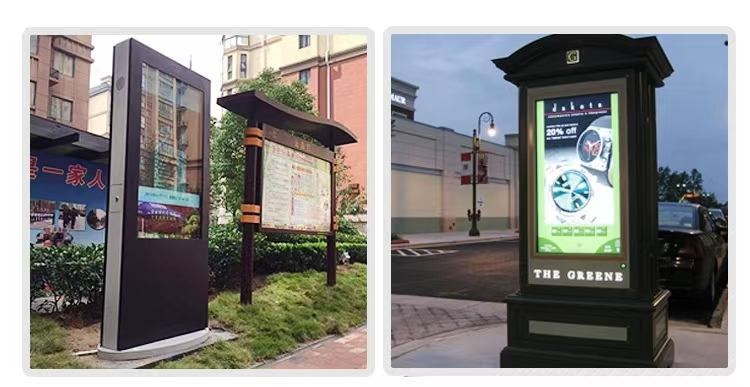
When selecting an lcd advertising display system for your retail environment, office, or public venue, understanding the underlying technical features becomes essential. An lcd advertising display is far more than a simple screen; it is a specialized piece of equipment designed to deliver consistent visual performance, withstand continuous operation, and attract customer attention through superior image quality. The decision to invest in an lcd advertising display requires knowledge of performance specifications, durability requirements, and compatibility standards that directly impact return on investment and operational reliability.
The technical landscape of modern lcd advertising display systems has evolved significantly over the past decade. Manufacturers now offer solutions tailored to specific industries, from quick-service restaurants to shopping malls, fashion retail, and hospitality venues. Each deployment environment demands different technical capabilities, and understanding these distinctions helps businesses make informed purchasing decisions that align with long-term operational goals.
Brightness and Light Output Standards
Understanding Nit Ratings and Display Visibility
Brightness is arguably the most critical technical specification for any lcd advertising display system. Measured in nits (candelas per square meter), brightness determines whether your content remains visible under various lighting conditions. An lcd advertising display installed in a bright retail environment requires significantly higher brightness than one used in an indoor cinema or dimly lit corridor. Standard office monitors typically range from 250 to 300 nits, whereas professional lcd advertising display systems for high-brightness environments often deliver 1000 to 1500 nits or higher. This dramatic difference reflects the specialized engineering required to maintain content legibility when competing with natural sunlight or intense artificial lighting.
Ambient Light Compensation Technology
Modern lcd advertising display solutions often incorporate ambient light sensors that automatically adjust brightness levels based on environmental conditions. This feature reduces power consumption while maintaining optimal visibility, making your lcd advertising display more cost-effective over extended deployment periods. The sensor detects changes throughout the day and automatically compensates, ensuring that morning sunlight does not wash out your advertising content while evening shadows do not render it invisible. This intelligent adaptation is especially valuable for retail locations where lighting conditions fluctuate naturally.

Resolution, Aspect Ratio, and Visual Quality
Pixel Density and Content Sharpness
Resolution directly impacts the sharpness and detail reproduction of your lcd advertising display content. A higher resolution lcd advertising display presents text, images, and video with greater clarity, resulting in a more professional and engaging presentation. Common resolutions for modern lcd advertising display systems include 1920×1080 (Full HD), 3840×2160 (4K), and specialized formats like 2560×1440 for portrait-oriented installations. The choice of resolution for your lcd advertising display depends on viewing distance and content complexity. A digital menu board viewed from two meters away may perform acceptably at Full HD, whereas a product showcase display designed for close inspection demands 4K resolution to prevent pixelation and maintain visual impact.
Aspect Ratio Flexibility for Diverse Content
The aspect ratio of an lcd advertising display system determines how effectively it displays different content types. Traditional 16:9 widescreen format remains industry standard, yet specialized applications call for different dimensions. Some retail environments benefit from portrait-oriented lcd advertising display installations at 9:16 ratio for vertical menu boards or information kiosks. Rounded or custom-shaped lcd advertising display screens have emerged for premium brand experiences and architectural integration. Selecting the correct aspect ratio for your lcd advertising display ensures content displays without distortion and maximizes the screen real estate available for your messaging.
Operational Durability and Continuous Runtime Capability
Mean Time Between Failures and Component Lifespan
Professional-grade lcd advertising display systems are engineered for continuous operation, often running 16 to 24 hours daily without interruption. This demanding duty cycle requires industrial-quality components and superior thermal management. A consumer-grade monitor cannot sustain this schedule; specialized lcd advertising display hardware incorporates reinforced cooling systems, premium power supplies, and redundant components to extend reliability. Mean time between failures (MTBF) ratings for commercial lcd advertising display systems typically exceed 30,000 to 50,000 hours, translating to several years of uninterrupted service. Understanding the MTBF specification of your lcd advertising display helps predict maintenance intervals and total cost of ownership across the display's operational lifetime.
Environmental Tolerance and Temperature Management
Temperature extremes present significant challenges for lcd advertising display systems deployed in varied environments. An lcd advertising display must function reliably in heated retail spaces, air-conditioned offices, and temperature-fluctuating outdoor kiosks. Advanced lcd advertising display solutions incorporate active cooling systems, thermal sensors, and intelligent shutdown protocols to prevent overheating. Operating temperature ranges typically span from 0°C to 40°C for commercial lcd advertising display units, while storage tolerances extend further. Humidity resistance also matters; moisture infiltration can degrade an lcd advertising display's backlight components and cause internal condensation. Quality lcd advertising display systems feature sealed bezels and moisture-resistant gaskets to maintain performance in challenging conditions.
Connectivity, Content Management, and Display Control
Input Options and Seamless Content Delivery
An lcd advertising display system must support multiple connectivity standards to integrate with diverse content sources and scheduling platforms. Modern lcd advertising display installations typically include HDMI, USB, Ethernet, and increasingly, wireless connectivity options. Some advanced lcd advertising display models feature built-in media players that eliminate the need for external computers, simplifying deployment and reducing equipment costs. The lcd advertising display's input flexibility determines how easily content can be updated and how readily the system integrates into your existing infrastructure. Premium lcd advertising display solutions offer scheduled playback, remote monitoring, and real-time content updates over networked connections, enabling dynamic advertising strategies and rapid content modification.
Power Efficiency and Energy Consumption Metrics
Power consumption directly affects operational budgets for any lcd advertising display installation, especially when operating multiple units continuously. Modern lcd advertising display technology has improved efficiency substantially, with LED backlighting and optimized panel designs consuming 30 to 40% less energy than older LCD models. The wattage rating of your lcd advertising display influences both electricity costs and cooling requirements. An lcd advertising display consuming 150 watts runs considerably more efficiently than legacy models requiring 300 watts. Calculating annual energy costs based on the lcd advertising display's power draw helps justify the investment in higher-efficiency models that deliver better long-term financial performance despite higher initial purchase prices.
FAQ
What brightness level do I need for my lcd advertising display?
The required brightness depends on your deployment environment. For indoor retail spaces with controlled lighting, 500 to 800 nits typically suffice. Bright retail environments or locations with significant natural light require 1000 to 1500 nits or higher. If your lcd advertising display faces direct sunlight, consider units rated for 2000 nits or above. Consult the lighting conditions at your installation site and select an lcd advertising display with appropriate brightness specifications to ensure reliable visibility throughout the day.
How does resolution affect the viewing experience of an lcd advertising display?
Resolution determines visual sharpness and detail in your lcd advertising display content. Higher resolution provides crisper text, smoother images, and more professional appearance. At typical viewing distances of two to three meters, Full HD resolution performs adequately for most retail lcd advertising display applications. However, if viewers approach within one meter or your content includes fine text and detailed graphics, 4K resolution prevents pixelation and maintains visual impact. The optimal lcd advertising display resolution balances content requirements against cost, as higher resolution typically increases the price of the system.
Can an lcd advertising display operate in outdoor environments?
Specialized outdoor-rated lcd advertising display systems exist, but standard commercial models are not designed for direct outdoor exposure. Outdoor lcd advertising display units require weatherproof enclosures, superior brightness (often 2500 nits or higher), and enhanced thermal management to withstand temperature extremes and moisture. If outdoor deployment is necessary, specify an lcd advertising display explicitly rated for outdoor use. These lcd advertising display systems cost significantly more than indoor models but provide the durability required for reliable performance in harsh environmental conditions.