
 EN
EN

Modern businesses are increasingly recognizing the transformative power of digital advertising solutions that seamlessly integrate with comprehensive network infrastructures. A wall mounted advertising display represents more than just a standalone screen; it serves as a critical component in sophisticated digital signage ecosystems that can revolutionize customer engagement and operational efficiency. The integration capabilities of these displays with broader digital signage networks have become a defining factor in determining their effectiveness for commercial applications.
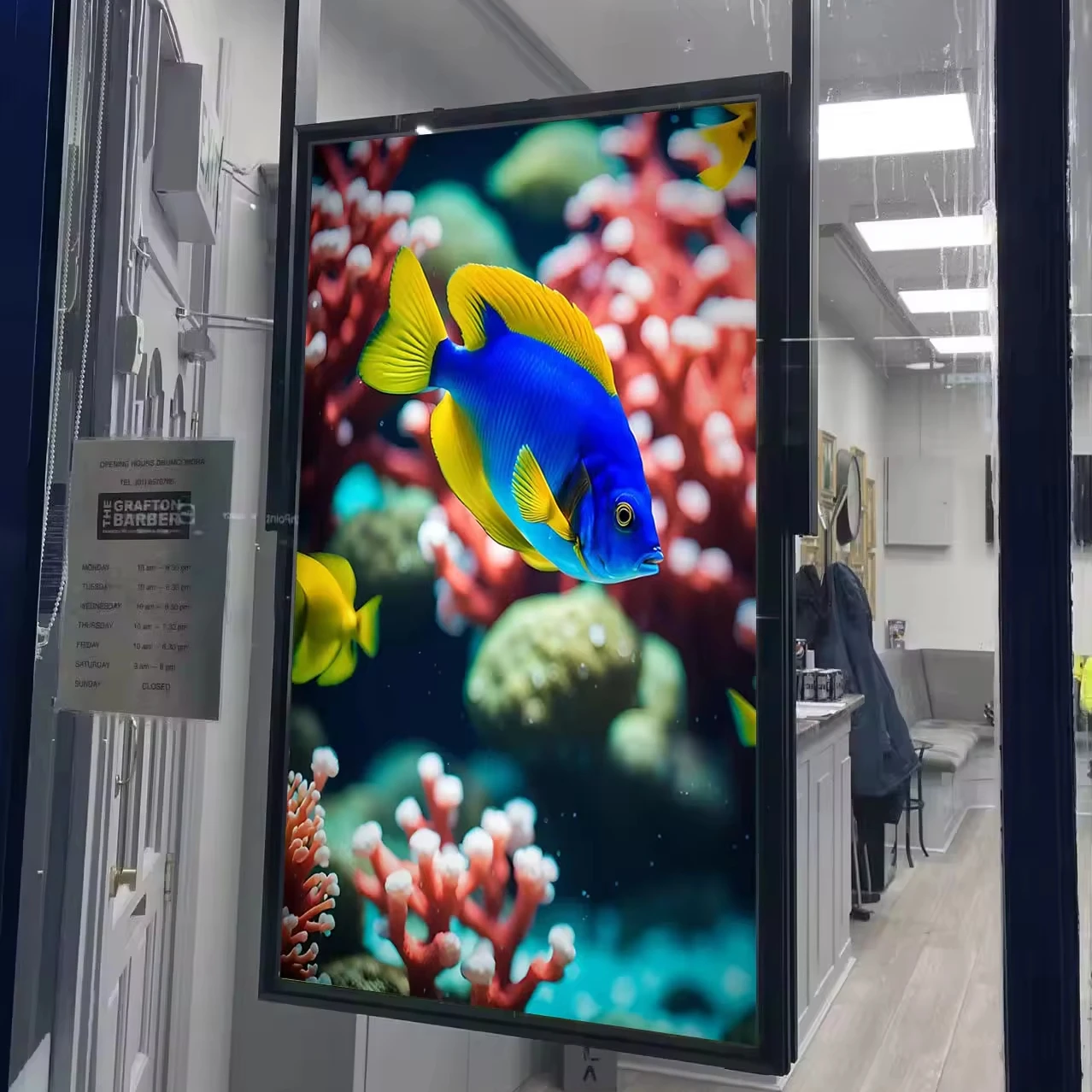
The convergence of hardware capabilities and network connectivity has opened unprecedented opportunities for businesses to create cohesive, intelligent advertising environments. When properly configured, a wall mounted advertising display can communicate with central management systems, respond to real-time data inputs, and coordinate content delivery across multiple locations simultaneously. This level of integration transforms individual displays into powerful nodes within a comprehensive digital communication strategy.
Understanding the technical foundations and practical applications of network-integrated displays is essential for organizations seeking to maximize their investment in digital advertising infrastructure. The benefits extend beyond simple content delivery to include advanced analytics, remote management capabilities, and dynamic content optimization based on audience behavior and environmental factors.
Network Integration Fundamentals
Connectivity Standards and Protocols
The backbone of any successful digital signage network relies on robust connectivity standards that ensure reliable communication between displays and central management systems. Modern wall mounted advertising display units typically support multiple connectivity options, including Ethernet, Wi-Fi, and cellular connections, providing flexibility in deployment scenarios. These connectivity options enable real-time content updates, system monitoring, and remote troubleshooting capabilities.
Network protocols play a crucial role in maintaining secure and efficient data transmission across the digital signage infrastructure. Industry-standard protocols such as HTTP, HTTPS, and specialized digital signage protocols ensure that content delivery remains consistent and secure. The implementation of these protocols allows a wall mounted advertising display to receive encrypted content updates while maintaining compliance with corporate security policies.
Cloud-Based Management Systems
Cloud-based management platforms have revolutionized how organizations deploy and maintain their digital signage networks. These systems provide centralized control over distributed wall mounted advertising display installations, enabling administrators to manage content, monitor performance, and implement updates from a single interface. The scalability of cloud-based solutions makes them particularly attractive for organizations with multiple locations or extensive display networks.
The integration of artificial intelligence and machine learning capabilities within cloud management systems enhances the functionality of connected displays. These advanced features enable predictive maintenance, content optimization based on viewer engagement metrics, and automated scheduling adjustments that maximize the effectiveness of each wall mounted advertising display deployment.
Content Management and Distribution
Centralized Content Creation
Effective content management begins with centralized creation workflows that ensure consistency across all network-connected displays. Professional content management systems provide tools for creating, editing, and approving digital content before distribution to individual wall mounted advertising display units. These platforms typically include templates, asset libraries, and collaboration features that streamline the content development process.
Version control and content approval workflows are essential components of enterprise-grade content management systems. These features ensure that only approved content reaches the wall mounted advertising display network, maintaining brand consistency and compliance with regulatory requirements. Advanced systems also provide audit trails that track content changes and approval processes for accountability and quality assurance purposes.
Dynamic Content Scheduling
Sophisticated scheduling capabilities allow organizations to optimize content delivery based on time of day, audience demographics, and environmental factors. A properly integrated wall mounted advertising display can automatically adjust its content programming based on predefined schedules or real-time triggers. This dynamic approach ensures that the most relevant content is displayed at optimal times for maximum impact.
Integration with external data sources enables even more sophisticated content scheduling strategies. For example, a wall mounted advertising display in a retail environment might automatically switch to promotional content when inventory levels reach predetermined thresholds, or display weather-appropriate advertisements based on real-time meteorological data.
Hardware Requirements and Compatibility
Processing Power and Memory
The hardware specifications of a wall mounted advertising display directly impact its ability to participate effectively in network-integrated environments. Sufficient processing power is essential for rendering high-quality content, managing network communications, and executing complex scheduling algorithms. Modern displays typically feature dedicated media processing units that can handle multiple content streams simultaneously without compromising performance.
Memory capacity plays a critical role in enabling sophisticated caching and buffering capabilities that ensure smooth content playback even during network interruptions. A well-designed wall mounted advertising display should include sufficient local storage to cache frequently used content and maintain essential functionality during temporary connectivity issues. This redundancy is particularly important for mission-critical applications where continuous operation is essential.
Network Interface Capabilities
Advanced network interface capabilities are fundamental to successful integration with digital signage networks. Modern wall mounted advertising display units feature multiple network interfaces, including wired Ethernet connections for stability and wireless options for flexible deployment. These redundant connectivity options ensure reliable network access across various installation environments.
Security features built into the network interfaces help protect the integrity of the digital signage network. Hardware-level encryption, secure boot processes, and certificate-based authentication ensure that each wall mounted advertising display can only connect to authorized network resources. These security measures are essential for protecting sensitive content and preventing unauthorized access to the management system.
Remote Management and Monitoring
Real-Time System Monitoring
Comprehensive monitoring capabilities provide administrators with real-time visibility into the performance and status of each wall mounted advertising display within the network. These monitoring systems track key performance indicators such as content playback status, hardware health, network connectivity, and power consumption. Early detection of potential issues enables proactive maintenance and minimizes downtime.
Advanced monitoring systems can generate automated alerts when specific thresholds are exceeded or anomalies are detected. For example, if a wall mounted advertising display experiences repeated network connectivity issues or shows signs of hardware degradation, the monitoring system can immediately notify technical support teams for prompt resolution. This proactive approach significantly reduces the total cost of ownership for large-scale deployments.
Remote Troubleshooting and Updates
Remote troubleshooting capabilities eliminate the need for on-site technical visits in many situations, reducing maintenance costs and minimizing service disruptions. Technicians can remotely access wall mounted advertising display systems to diagnose issues, adjust configurations, and implement software updates. This remote access capability is particularly valuable for displays installed in difficult-to-reach locations or geographically distributed networks.
Automated update mechanisms ensure that all connected displays remain current with the latest software versions and security patches. These systems can schedule updates during off-peak hours to minimize disruption to normal operations while ensuring that each wall mounted advertising display maintains optimal performance and security standards.
Analytics and Performance Optimization
Audience Engagement Metrics
Integrated analytics capabilities transform a wall mounted advertising display from a simple content delivery device into a sophisticated data collection instrument. Advanced displays can gather detailed metrics about viewer engagement, including attention duration, demographic information, and content interaction patterns. This data provides valuable insights for optimizing content strategies and measuring the effectiveness of advertising campaigns.
Machine learning algorithms can analyze engagement patterns to automatically optimize content scheduling and selection. By understanding when and how audiences interact with different types of content, the system can improve the relevance and effectiveness of each wall mounted advertising display deployment. This data-driven approach leads to higher engagement rates and better return on advertising investment.
Network Performance Analysis
Comprehensive network performance analysis helps administrators identify bottlenecks, optimize bandwidth usage, and ensure consistent content delivery across all connected displays. These analytics tools monitor network traffic patterns, content transfer speeds, and system response times to provide a complete picture of network health and performance.
Performance data can inform infrastructure upgrade decisions and help optimize network configurations for specific deployment scenarios. Understanding how different content types and scheduling patterns impact network resources enables administrators to make informed decisions about capacity planning and resource allocation for wall mounted advertising display networks.
Security Considerations
Network Security Protocols
Security represents a critical consideration when integrating wall mounted advertising display units with broader digital signage networks. Robust security protocols protect against unauthorized access, data breaches, and malicious content injection. Industry-standard encryption methods ensure that all communications between displays and management systems remain secure and protected from interception.
Multi-layered security approaches combine network-level protection with device-specific security measures. Each wall mounted advertising display should implement secure boot processes, certificate-based authentication, and regular security updates to maintain protection against evolving threats. These comprehensive security measures are essential for maintaining the integrity and reliability of the digital signage network.
Content Protection and Access Control
Advanced access control mechanisms ensure that only authorized personnel can modify content or system configurations. Role-based permissions allow organizations to grant different levels of access to various team members while maintaining overall system security. These granular controls help prevent accidental or malicious changes that could compromise the effectiveness of the wall mounted advertising display network.
Content protection measures safeguard intellectual property and sensitive information displayed on the network. Digital rights management systems can prevent unauthorized copying or distribution of proprietary content while ensuring that each wall mounted advertising display only shows approved materials. These protections are particularly important for organizations displaying confidential information or premium branded content.
FAQ
What network requirements are needed for wall mounted advertising display integration
Network requirements typically include a stable internet connection with sufficient bandwidth to support content streaming, typically 10-50 Mbps per display depending on content resolution and update frequency. The network should support standard protocols like HTTP/HTTPS and provide adequate security features including firewall protection and VPN capabilities for remote management access.
How do integrated displays handle network connectivity issues
Modern wall mounted advertising display systems include local storage capabilities that cache content for offline playback during network interruptions. They typically feature automatic reconnection protocols and can maintain basic functionality using previously downloaded content until network connectivity is restored, ensuring continuous operation even during temporary connectivity issues.
What maintenance is required for network-integrated advertising displays
Network-integrated displays require regular software updates, content refresh cycles, and periodic hardware health monitoring. Most maintenance tasks can be performed remotely through the network connection, including software updates, content management, and system diagnostics. Physical maintenance typically involves cleaning the display surface and checking mounting hardware annually.
Can multiple display networks be managed from a single platform
Yes, enterprise-grade digital signage management platforms can typically handle multiple wall mounted advertising display networks across different locations, brands, or business units from a centralized interface. These systems provide hierarchical management structures that allow administrators to control individual displays, groups of displays, or entire networks while maintaining appropriate access controls and content separation between different organizational units.