
 EN
EN
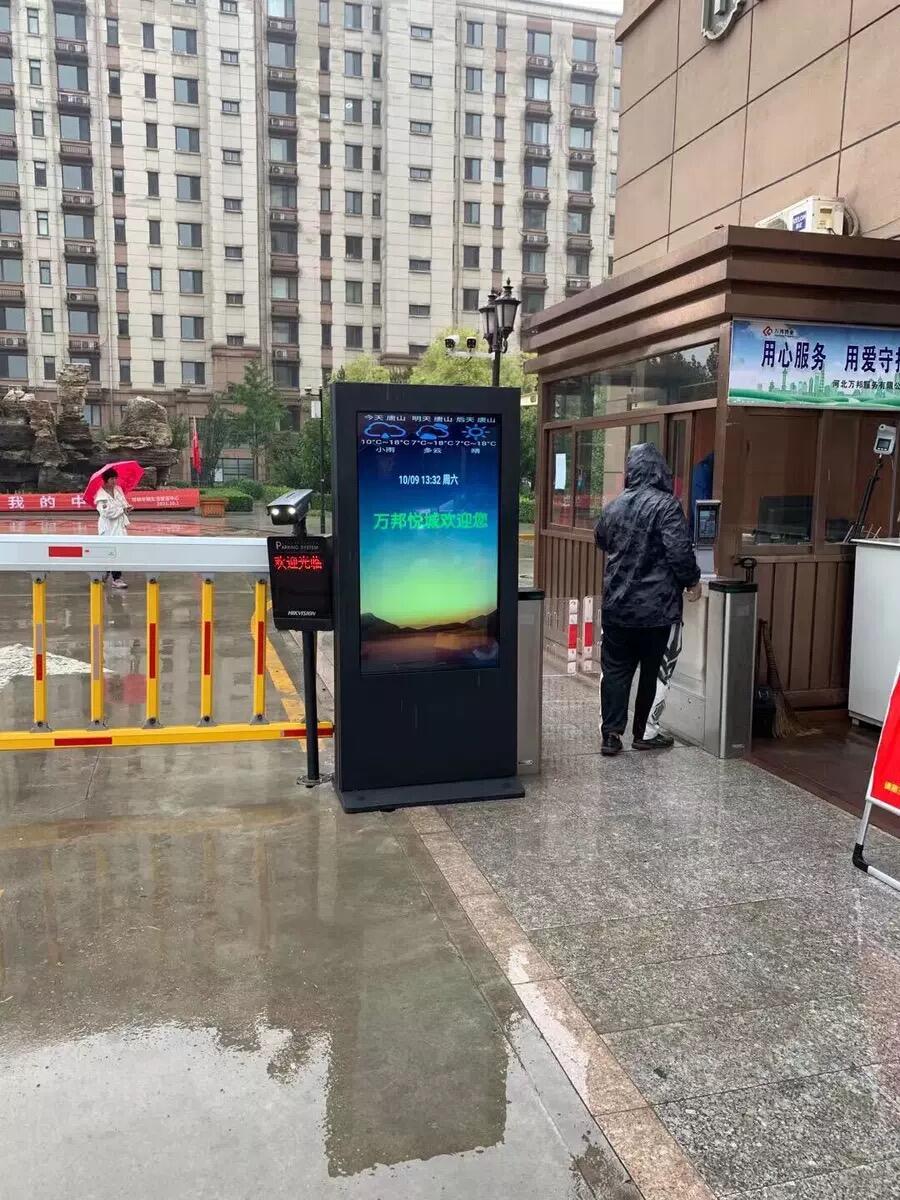
The digital advertising landscape has evolved dramatically over the past decade, with businesses increasingly recognizing the power of visual displays to capture consumer attention. While indoor digital signage has dominated retail environments and corporate spaces, the emergence of robust outdoor advertising display technology has opened new frontiers for marketing professionals. Understanding the fundamental differences between indoor and outdoor advertising displays is crucial for businesses seeking to maximize their advertising investment and reach their target audiences effectively. These differences extend far beyond simple location placement, encompassing technical specifications, environmental considerations, content strategies, and regulatory requirements that can significantly impact campaign success.
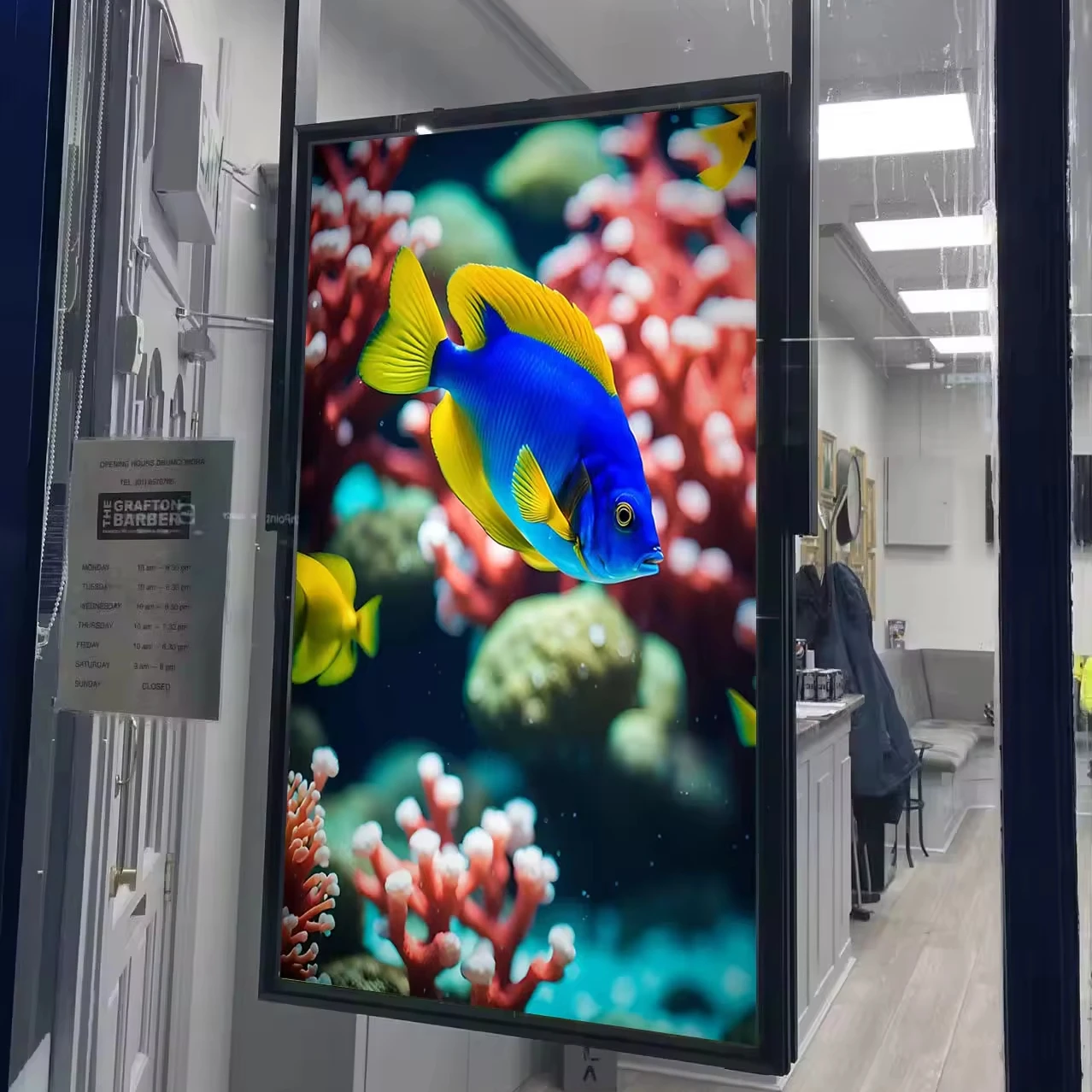
Environmental Durability and Weather Resistance
Protection Against Natural Elements
The most significant distinction between indoor and outdoor advertising displays lies in their ability to withstand environmental challenges. An outdoor advertising display must endure extreme weather conditions including torrential rain, snow, ice, high winds, and intense ultraviolet radiation from direct sunlight. These displays require specialized housing with IP65 or IP66 ratings, ensuring complete protection against dust infiltration and water ingress. The internal components must be sealed and protected with gaskets, while the screen surface needs anti-reflective coatings and tempered glass protection to prevent damage from hail or debris.
Indoor displays, conversely, operate in controlled environments where temperature, humidity, and lighting conditions remain relatively stable. They typically feature standard IP20 ratings, focusing primarily on dust protection rather than comprehensive weatherproofing. This fundamental difference in environmental requirements directly impacts the manufacturing costs, with outdoor advertising display units commanding significantly higher prices due to their enhanced protection systems and robust construction materials.
Temperature Management Systems
Temperature regulation presents another critical challenge for outdoor advertising display installations. These systems must function reliably in extreme temperature ranges, often from negative 40 degrees Celsius to positive 50 degrees Celsius. Advanced thermal management systems including internal heaters, cooling fans, and heat exchangers are essential components that ensure optimal performance regardless of external conditions. The display electronics generate substantial heat during operation, requiring sophisticated ventilation systems to prevent overheating and component failure.
Indoor displays benefit from HVAC systems that maintain comfortable ambient temperatures, eliminating the need for extensive thermal management hardware. This controlled environment allows manufacturers to focus on display quality and color accuracy rather than survival mechanisms, resulting in thinner profiles and more aesthetically pleasing designs suitable for interior architectural integration.
Brightness and Visibility Specifications
Luminance Requirements for Outdoor Environments
Brightness specifications represent perhaps the most technical difference between indoor and outdoor advertising displays. An effective outdoor advertising display requires luminance levels between 2,500 to 6,000 nits to remain visible under direct sunlight conditions. This extreme brightness ensures that advertising content remains legible and impactful even during peak daylight hours when solar radiation can wash out inadequately powered displays. The high-brightness LED backlighting systems necessary for outdoor applications consume significantly more power and generate substantial heat, requiring additional cooling infrastructure.
Traditional indoor displays operate comfortably at brightness levels between 300 to 700 nits, as excessive brightness in interior environments can cause eye strain and discomfort for viewers. The controlled lighting conditions in retail stores, offices, and hospitality venues allow for more nuanced color reproduction and contrast ratios, enabling sophisticated visual presentations that would be impossible to achieve with outdoor advertising display brightness requirements.
Anti-Glare and Reflection Management
Outdoor advertising display systems must incorporate advanced anti-glare technologies to maintain visibility from multiple viewing angles throughout the day. Specialized surface treatments, optical bonding, and circular polarizing filters help minimize reflections from surrounding light sources and ensure consistent image quality. These technical features add complexity and cost to outdoor display manufacturing while requiring ongoing maintenance to preserve their effectiveness over time.
Indoor displays typically use standard anti-reflective coatings that provide adequate glare reduction under controlled lighting conditions. The predictable illumination levels in interior spaces allow display manufacturers to optimize viewing experiences without the extreme measures required for outdoor advertising display applications, resulting in more cost-effective solutions for indoor marketing initiatives.
Content Strategy and Messaging Considerations
Viewing Distance and Content Legibility
The physical positioning of displays significantly influences content creation strategies. An outdoor advertising display is typically viewed from distances ranging from 50 to 500 feet, requiring bold typography, high-contrast imagery, and simplified messaging that can be quickly processed by moving audiences. Text sizes must be substantially larger, with minimum character heights calculated based on viewing distance formulas to ensure readability from vehicles traveling at various speeds. Color schemes must account for changing lighting conditions throughout the day and seasonal variations in ambient illumination.
Indoor displays benefit from closer proximity to viewers, typically within 5 to 25 feet, allowing for detailed product presentations, fine text, and complex visual compositions. The controlled viewing environment enables marketers to create sophisticated interactive experiences, detailed product demonstrations, and immersive brand storytelling that would be impossible to execute effectively on outdoor advertising display platforms.
Attention Span and Message Duration
Outdoor advertising display content must capture attention within 3 to 8 seconds, as viewers are typically in motion and have limited opportunity for extended engagement. Messages need to be concise, impactful, and immediately comprehensible, focusing on brand awareness and simple call-to-action elements. Animation and video content should emphasize bold movements and high-contrast transitions that remain effective under varying ambient lighting conditions.
Indoor environments allow for longer engagement periods, with viewers often having 30 seconds to several minutes for content consumption. This extended attention span enables detailed product information, customer testimonials, demonstration videos, and interactive elements that encourage deeper brand engagement and purchasing decisions.
Installation and Infrastructure Requirements
Mounting and Structural Considerations
Installing an outdoor advertising display requires substantial structural engineering to ensure safety and longevity. Mounting systems must withstand wind loads, seismic activity, and thermal expansion while maintaining precise alignment over years of operation. Foundation requirements often include concrete footings, steel framework, and professional engineering certifications to comply with local building codes. The installation process typically involves heavy machinery, utility connections, and coordination with multiple municipal departments for permits and approvals.
Indoor display installations are relatively straightforward, often requiring simple wall mounting brackets or floor stands that can be installed by standard AV technicians. The controlled environment eliminates concerns about wind resistance, thermal expansion, and severe weather damage, allowing for more flexible positioning options and easier relocation when business needs change.
Power and Connectivity Infrastructure
Outdoor advertising display installations require robust electrical infrastructure capable of handling high power consumption from brightness-intensive LED systems and climate control equipment. Electrical connections must be weatherproofed, with underground conduit systems and surge protection to prevent damage from lightning strikes and power fluctuations. Network connectivity often relies on cellular or satellite connections, as traditional ethernet infrastructure may not be available at remote outdoor locations.
Indoor displays typically connect to existing building electrical systems and benefit from established network infrastructure including ethernet, WiFi, and fiber optic connections. Power requirements are generally modest, often allowing connection to standard electrical outlets without requiring dedicated circuits or electrical upgrades.
Regulatory and Compliance Differences
Municipal Permits and Zoning Restrictions
Outdoor advertising display installations must navigate complex regulatory landscapes including zoning ordinances, sign permits, and environmental impact assessments. Many municipalities impose strict limitations on display brightness, operating hours, content restrictions, and proximity to residential areas or transportation corridors. The permitting process can take months or years, requiring detailed engineering drawings, environmental studies, and public hearings before approval. Ongoing compliance monitoring may include brightness measurements, content audits, and regular safety inspections.
Indoor displays generally fall under standard commercial signage regulations with minimal permitting requirements. Building codes may specify fire safety considerations and ADA compliance for interactive displays, but the approval process is typically straightforward and completed within weeks rather than months.
Content Regulations and Community Standards
An outdoor advertising display must comply with community standards regarding content appropriateness, as these installations are visible to general public audiences including children and families. Many jurisdictions prohibit certain product categories, impose restrictions on animation frequency, and require content approval processes for advertising materials. The public nature of outdoor advertising display installations makes them subject to community scrutiny and potential protests if content is deemed inappropriate or offensive.
Indoor displays operate within private commercial spaces where businesses have greater control over audience demographics and content standards. While general advertising regulations still apply, the private venue context provides more flexibility for targeted messaging and product-specific advertising that might be restricted in public outdoor environments.
Cost Analysis and Return on Investment
Initial Investment and Equipment Costs
The financial investment required for outdoor advertising display systems significantly exceeds indoor alternatives due to enhanced hardware specifications, weatherproofing requirements, and installation complexity. A quality outdoor advertising display can cost three to five times more than comparable indoor units, with additional expenses for structural mounting, electrical infrastructure, and permitting processes. However, the extended lifespan and 24/7 operation potential can justify these higher initial costs through increased audience exposure and advertising revenue opportunities.
Indoor displays offer lower barrier to entry with more affordable hardware options and simplified installation requirements. The controlled environment extends equipment lifespan and reduces maintenance costs, making indoor displays attractive for businesses with limited budgets or specific target audience demographics that are better reached through interior marketing channels.
Maintenance and Operational Expenses
Ongoing maintenance costs for outdoor advertising display systems include regular cleaning, component replacement, weatherproofing maintenance, and climate control system servicing. The harsh operating environment accelerates wear and tear, requiring more frequent service intervals and higher-quality replacement parts. Emergency repairs during severe weather events can be costly and time-sensitive, potentially requiring specialized equipment and hazardous working conditions.
Indoor displays require minimal maintenance beyond regular cleaning and occasional component updates. The stable operating environment reduces failure rates and extends component lifecycles, resulting in lower total cost of ownership over the display's operational lifespan.
FAQ
What is the typical lifespan difference between indoor and outdoor advertising displays
Indoor advertising displays typically last 7 to 10 years under normal operating conditions due to controlled environmental factors and reduced stress on components. An outdoor advertising display generally has a shorter lifespan of 5 to 7 years due to constant exposure to weather elements, temperature fluctuations, and UV radiation that accelerate component degradation. However, high-quality outdoor units with proper maintenance can achieve longer operational periods, making the investment worthwhile for high-traffic locations.
Can indoor displays be converted for outdoor use
Converting indoor displays for outdoor advertising display applications is generally not recommended or cost-effective. The fundamental differences in weatherproofing, brightness capabilities, and thermal management systems require complete redesign of internal components and housing structures. The conversion costs typically exceed the price of purchasing purpose-built outdoor advertising display equipment, while potentially compromising reliability and warranty coverage.
How do content management systems differ between indoor and outdoor displays
Content management for outdoor advertising display systems often includes additional features such as ambient light sensors for automatic brightness adjustment, weather integration for content adaptation, and remote monitoring capabilities for harsh environment installations. Indoor display management systems focus more on interactive features, detailed analytics, and integration with point-of-sale systems or customer management platforms that are more relevant in controlled retail environments.
What are the power consumption differences between indoor and outdoor advertising displays
An outdoor advertising display typically consumes 3 to 5 times more power than indoor equivalents due to high-brightness LED requirements and climate control systems. A 55-inch indoor display might use 150-200 watts, while a comparable outdoor advertising display can consume 800-1200 watts including cooling systems. This significant power difference impacts operational costs and electrical infrastructure requirements, making energy efficiency an important consideration in outdoor display selection and placement decisions.
Table of Contents
- Environmental Durability and Weather Resistance
- Brightness and Visibility Specifications
- Content Strategy and Messaging Considerations
- Installation and Infrastructure Requirements
- Regulatory and Compliance Differences
- Cost Analysis and Return on Investment
-
FAQ
- What is the typical lifespan difference between indoor and outdoor advertising displays
- Can indoor displays be converted for outdoor use
- How do content management systems differ between indoor and outdoor displays
- What are the power consumption differences between indoor and outdoor advertising displays