
 EN
EN
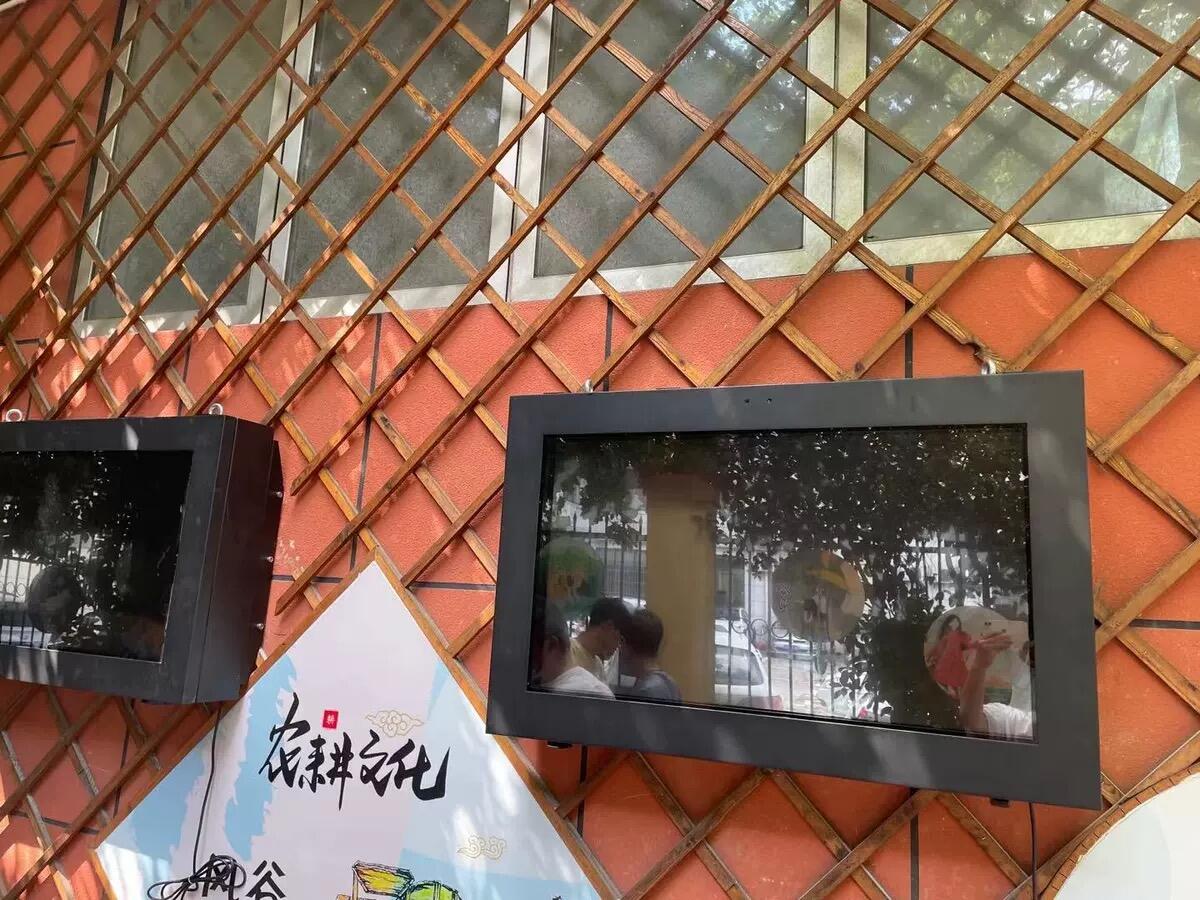
Selecting the appropriate size for an outdoor lcd display advertising screen requires careful consideration of multiple factors that directly impact campaign effectiveness and return on investment. Modern businesses increasingly rely on digital signage solutions to capture audience attention in outdoor environments, where traditional advertising mediums face significant limitations. The size selection process involves analyzing viewing distances, content types, installation locations, and budget constraints to ensure optimal visual impact and message delivery.
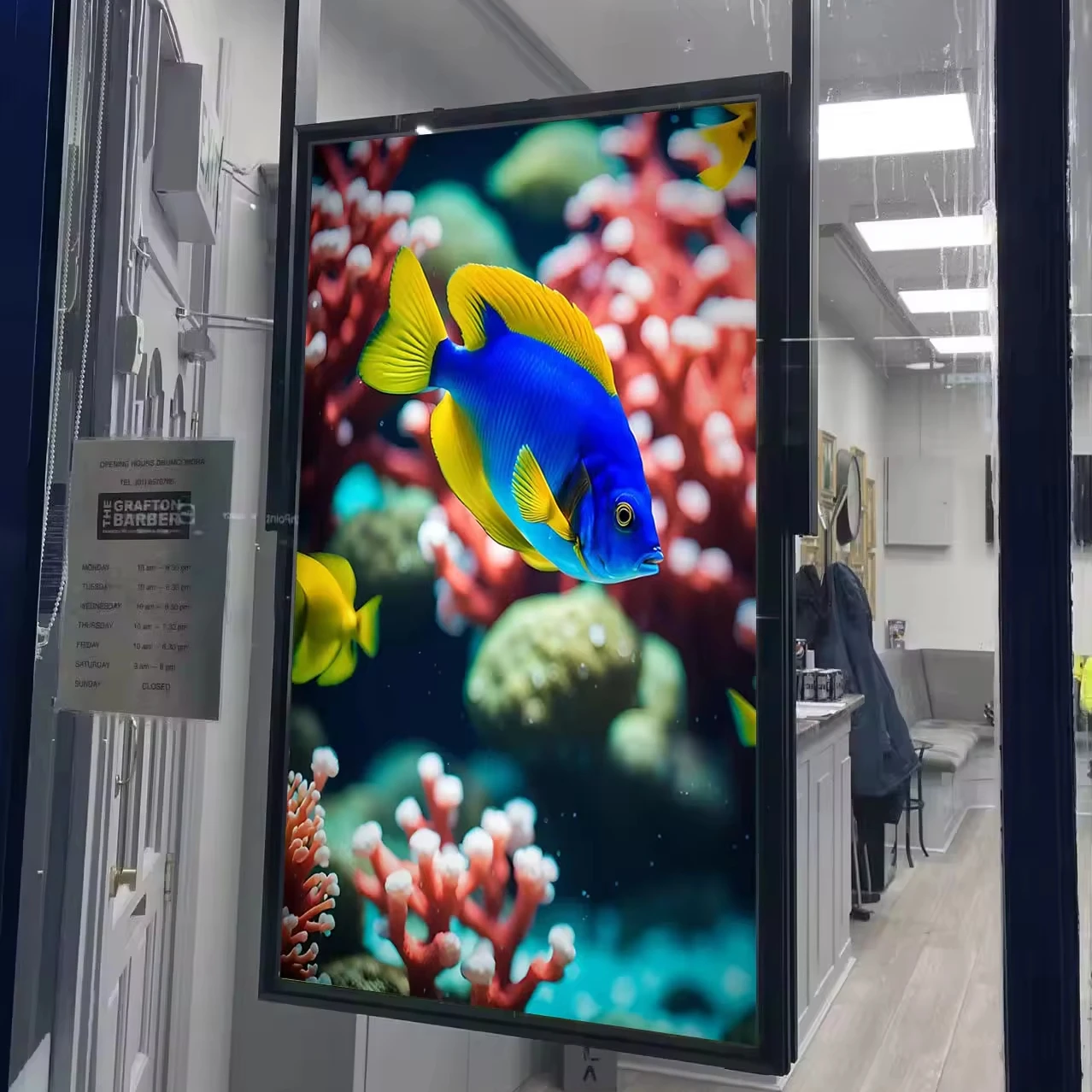
Understanding the relationship between display size and viewing distance forms the foundation of effective outdoor digital advertising strategies. Environmental conditions, target demographics, and content complexity all influence the ideal dimensions for maximum engagement. Professional installation teams and marketing specialists recommend evaluating these interconnected variables systematically to avoid costly mistakes and ensure long-term campaign success in competitive outdoor advertising markets.
Understanding Viewing Distance Requirements
Optimal Distance Calculations
The fundamental principle governing outdoor lcd display advertising screen sizing involves the relationship between screen dimensions and typical viewing distances in the intended installation environment. Industry experts recommend calculating the minimum viewing distance by multiplying the screen height by a factor ranging from four to eight, depending on content resolution and ambient lighting conditions. This calculation ensures that text remains legible and images appear crisp from the closest anticipated viewing position.
Professional digital signage consultants emphasize that maximum viewing distances should not exceed twenty times the screen height for standard definition content, while high-definition displays can maintain effectiveness at distances up to thirty times the screen height. These guidelines help businesses avoid selecting displays that appear too small from primary viewing locations or unnecessarily large for intimate viewing environments. Proper distance calculations directly impact audience engagement rates and content comprehension levels.
Environmental Context Analysis
Evaluating the specific environmental context where the outdoor lcd display advertising screen will operate requires comprehensive site assessment and audience behavior analysis. High-traffic pedestrian areas typically require larger displays to compete with numerous visual distractions, while displays positioned along vehicle routes need sizing that accounts for viewing angles and movement speeds. The physical architecture surrounding the installation site affects optimal size selection through factors like building heights, competing signage, and natural lighting patterns.
Weather resistance capabilities and seasonal visibility variations must inform size selection decisions, particularly in regions experiencing significant climate changes throughout the year. Larger displays often provide better visibility during adverse weather conditions but require more robust mounting systems and higher maintenance investments. Understanding these environmental factors prevents undersized installations that fail to achieve marketing objectives or oversized systems that exceed practical requirements and budget constraints.
Content Strategy and Display Dimensions
Message Complexity Considerations
The complexity and type of content planned for display significantly influences the appropriate size selection for an outdoor lcd display advertising screen installation. Simple messaging with large fonts and minimal graphics can effectively communicate through smaller displays, while detailed product demonstrations or complex promotional materials require larger screens to maintain readability and visual impact. Content creators must collaborate with technical teams during the planning phase to ensure display dimensions support the intended marketing messages.
Dynamic content featuring video elements, animations, or interactive components typically performs better on larger displays that can showcase movement and detail effectively. Static advertisements with bold graphics and concise text messages often succeed on moderate-sized screens when positioned strategically relative to audience flow patterns. The content refresh frequency and campaign duration also influence size selection, as longer-term installations may justify larger investments in prominent display sizing.
Brand Visibility Standards
Corporate brand guidelines and visibility standards established by marketing departments often dictate minimum size requirements for outdoor digital advertising installations. Many organizations maintain specific protocols regarding logo sizing, text hierarchy, and visual prominence that directly translate into display dimension requirements. These internal standards ensure consistency across multiple installation sites and maintain brand recognition effectiveness in competitive advertising environments.
Legal compliance with local advertising regulations may impose maximum size restrictions or require specific permits for larger installations, creating additional constraints in the selection process. Businesses must research municipal codes and zoning requirements early in the planning process to avoid conflicts between desired display sizes and regulatory limitations. Professional installation companies typically provide guidance on navigating these compliance requirements while maximizing advertising impact within legal boundaries.
Technical Specifications and Performance
Resolution and Pixel Density
The relationship between display size and resolution determines the effective pixel density, which directly impacts image quality and viewing experience for outdoor lcd display advertising screen installations. Larger displays with insufficient resolution may exhibit pixelation effects that reduce professional appearance and message effectiveness, while high-resolution smaller displays can deliver crisp images that maintain quality across typical viewing distances. Balancing these technical specifications requires understanding the intended content types and audience expectations.
Modern display technologies offer various resolution standards, from full HD to 4K and beyond, each providing different advantages depending on size and viewing distance combinations. Higher resolution displays typically command premium pricing but deliver superior image quality that can justify the investment for high-visibility installations. Technical teams must evaluate processing requirements, content creation capabilities, and long-term upgrade paths when selecting resolution specifications for specific display sizes.
Brightness and Contrast Optimization
Outdoor environments present unique challenges regarding display brightness and contrast requirements that influence optimal sizing decisions for advertising screen installations. Larger displays may require higher total brightness output to maintain visibility in direct sunlight, increasing power consumption and operational costs proportionally. The relationship between display size and brightness efficiency varies among manufacturer specifications and technology types, affecting both initial investment and ongoing operational expenses.
Contrast ratio specifications become particularly important for larger outdoor lcd display advertising screen installations where ambient light variations throughout the day can significantly impact content visibility. Advanced display technologies incorporate automatic brightness adjustment systems that optimize visibility while managing power consumption, but these features may influence size selection based on available power infrastructure and operational budget constraints. Professional evaluation of brightness requirements helps prevent visibility issues while controlling operational costs.
Installation and Infrastructure Considerations
Mounting System Requirements
The structural requirements for mounting outdoor lcd display advertising screen installations increase significantly with display size, affecting both initial installation costs and long-term maintenance accessibility. Larger displays require more robust mounting hardware, deeper foundation preparations, and additional safety considerations to ensure secure installation in various weather conditions. Engineering assessments of existing structures or ground conditions may reveal limitations that influence maximum feasible display sizes for specific locations.
Wind load calculations become critical factors for larger outdoor display installations, particularly in regions prone to severe weather events or high-wind conditions. Professional engineers must evaluate the combined weight and surface area of proposed displays against local building codes and safety standards to determine appropriate mounting solutions. These structural considerations often influence size selection decisions when installation sites present limitations or require expensive reinforcement measures.
Power and Connectivity Infrastructure
Power consumption requirements scale with display size and brightness specifications, potentially requiring electrical infrastructure upgrades to support larger outdoor lcd display advertising screen installations. Electrical load calculations must account for peak consumption during maximum brightness operation, backup power considerations, and potential future expansion requirements. Local electrical codes may impose additional requirements for outdoor electrical installations that influence feasible display sizes and installation locations.
Data connectivity requirements for content management and remote monitoring systems remain relatively consistent across different display sizes, but larger installations may benefit from redundant connectivity options to ensure reliable operation. Network infrastructure planning should consider content update frequencies, real-time monitoring capabilities, and integration requirements with existing marketing technology systems. These technical requirements rarely limit size selection but may influence installation locations and operational procedures.
Budget Planning and Cost Analysis
Initial Investment Considerations
The relationship between display size and total project cost involves multiple variables beyond the basic purchase price of the outdoor lcd display advertising screen unit itself. Installation complexity, structural requirements, electrical infrastructure, and permitting costs all scale with display dimensions, often creating non-linear cost progression that requires careful budget planning. Businesses must evaluate total cost of ownership rather than focusing solely on initial hardware pricing to make informed size selection decisions.
Professional project managers recommend developing detailed cost breakdowns that account for all size-dependent variables early in the planning process to avoid budget overruns or compromised specifications. Larger displays may qualify for volume discounts or package deals from suppliers, potentially offsetting some of the increased costs through economies of scale. However, these savings must be weighed against the proportional increases in installation, maintenance, and operational expenses associated with larger outdoor digital signage installations.
Return on Investment Calculations
Calculating the expected return on investment for different display sizes requires analyzing the relationship between size, visibility, audience engagement, and campaign effectiveness metrics. Larger displays typically generate higher impression rates and improved brand recall statistics, but these benefits must justify the increased investment through measurable business outcomes. Marketing analytics teams should establish baseline performance expectations and measurement methodologies before finalizing size selection decisions.
Long-term value considerations include technology obsolescence timelines, upgrade flexibility, and resale potential for different outdoor lcd display advertising screen sizes and specifications. Industry analysts suggest that mid-range sizes often provide optimal balance between impact and investment recovery, while extreme sizes at either end of the spectrum may present challenges for future repositioning or resale. These strategic considerations become particularly important for businesses planning multiple installations or anticipating evolving marketing requirements.
FAQ
What is the ideal viewing distance for outdoor digital displays
The optimal viewing distance for outdoor lcd display advertising screen installations typically ranges from four to eight times the screen height for close viewing, with maximum effective distances reaching twenty to thirty times the height depending on resolution. Professional installers recommend conducting site surveys to measure actual viewing distances and audience flow patterns before finalizing size selections. Environmental factors like ambient lighting and competing visual elements also influence effective viewing distance calculations.
How do weather conditions affect display size selection
Weather conditions significantly impact the visibility and durability requirements for outdoor lcd display advertising screen installations, with larger displays generally providing better visibility during rain, snow, or bright sunlight conditions. However, larger displays also present increased surface area for wind resistance and require more robust weatherproofing measures. Climate analysis of the installation location should inform both size selection and specification requirements for long-term reliability.
What are the power consumption differences between display sizes
Power consumption for outdoor lcd display advertising screen installations typically increases proportionally with display size and brightness requirements, though efficiency varies significantly among different technologies and manufacturers. Larger displays may consume three to five times more power than smaller alternatives, requiring electrical infrastructure assessments and ongoing operational cost planning. Advanced power management features and scheduling systems can help optimize consumption regardless of display size.
How do local regulations affect outdoor display sizing
Municipal zoning codes, building permits, and advertising regulations often establish maximum size limits for outdoor lcd display advertising screen installations, varying significantly among different jurisdictions and property types. Some areas require special permits for displays exceeding specific dimensions, while others may restrict sizes based on proximity to roadways or residential areas. Early consultation with local authorities and professional installation teams helps ensure compliance while maximizing advertising impact within legal boundaries.