
 EN
EN
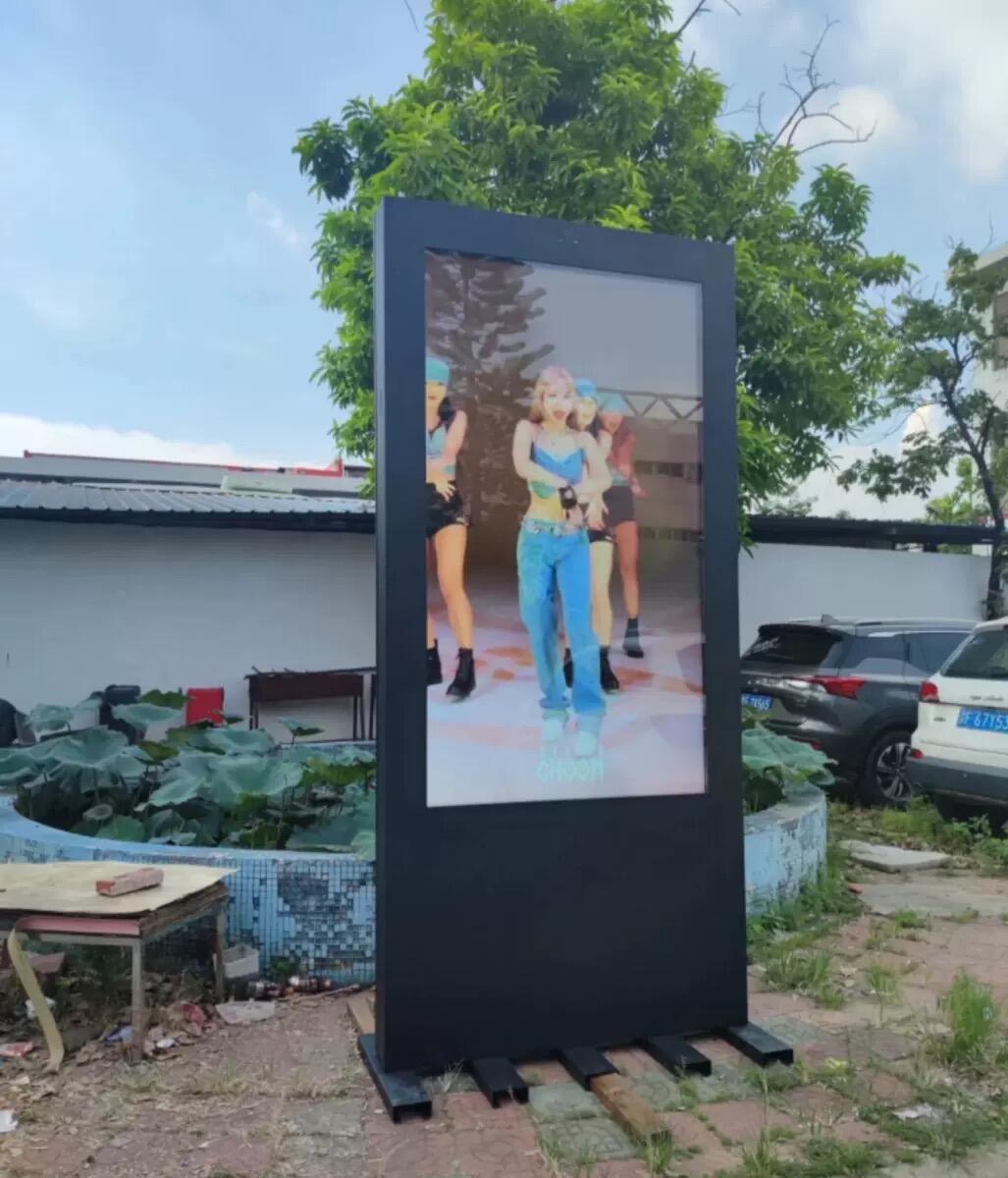
The success of any commercial advertising campaign depends heavily on the reliability and durability of the display technology used. An outdoor advertising display faces unique challenges that indoor screens simply don't encounter, from extreme temperature fluctuations to direct sunlight exposure and precipitation. Understanding what makes these displays weatherproof and durable is crucial for businesses investing in outdoor digital signage solutions that need to perform consistently across all seasons and weather conditions.
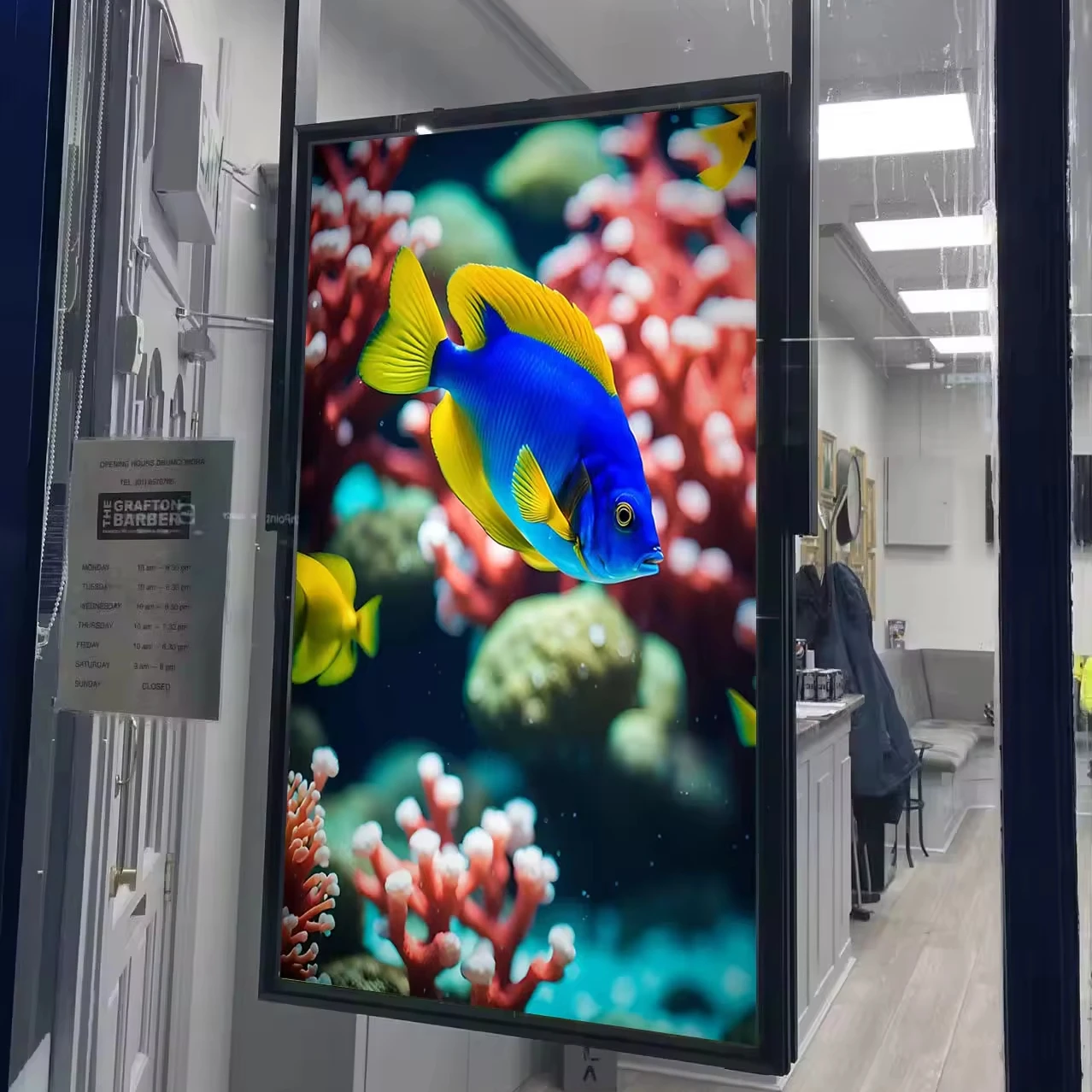
Modern outdoor advertising display technology has evolved significantly to meet the demanding requirements of exterior installations. These displays must withstand not only weather elements but also vandalism, dust infiltration, and continuous operation under varying environmental conditions. The engineering behind weatherproof outdoor displays involves multiple layers of protection and specialized components designed specifically for harsh outdoor environments.
Essential Weatherproofing Technologies
IP Rating Standards and Protection Levels
The foundation of any weatherproof outdoor advertising display begins with its IP rating, which indicates the level of protection against solid particles and liquids. Most commercial-grade outdoor displays feature IP65 or IP66 ratings, ensuring complete protection against dust ingress and powerful water jets from any direction. This rating system provides consumers and installers with clear understanding of what environmental conditions the display can handle safely.
Professional outdoor advertising display manufacturers test their products extensively under controlled conditions that simulate real-world weather scenarios. These tests include high-pressure water spray testing, dust chamber exposure, and thermal cycling to verify that the IP rating claims are accurate. The sealing mechanisms used to achieve these ratings typically involve specialized gaskets, sealed cable entry points, and precision-engineered enclosure designs.
Advanced Sealing and Gasket Systems
The sealing system represents one of the most critical components in weatherproof outdoor advertising display construction. High-quality displays utilize multiple sealing layers, including primary seals at the main enclosure joints and secondary backup seals that provide redundant protection. These seals must maintain their integrity across extreme temperature ranges while remaining flexible enough to accommodate thermal expansion and contraction.
Silicone-based sealing compounds and EPDM rubber gaskets are commonly used materials that offer excellent weather resistance and longevity. The design of these sealing systems also incorporates drainage channels and weep holes that allow any moisture that might penetrate the outer seal to escape safely without affecting internal components. Regular maintenance and inspection of these sealing systems ensures continued weatherproof performance throughout the display's operational life.
Temperature Management and Thermal Protection
Internal Cooling and Heating Systems
Temperature control represents a major challenge for outdoor advertising display installations, particularly in regions with extreme seasonal variations. Internal cooling systems typically employ industrial-grade fans, heat sinks, and sometimes liquid cooling solutions to manage heat generated by high-brightness LED backlighting and processing electronics. These cooling systems must operate efficiently while maintaining the weatherproof integrity of the enclosure.
During cold weather conditions, many outdoor advertising display units incorporate heating elements that prevent condensation formation and ensure proper operation of LCD panels and electronic components. These heating systems are carefully controlled by temperature sensors that monitor both internal and external conditions, automatically adjusting heating output to maintain optimal operating temperatures without wasting energy.
Thermal Insulation and Heat Distribution
Proper thermal insulation plays a crucial role in maintaining stable internal temperatures within an outdoor advertising display enclosure. High-performance insulation materials help reduce the workload on active cooling and heating systems while preventing rapid temperature fluctuations that could damage sensitive electronic components. The insulation design must balance thermal protection with space efficiency, as outdoor display enclosures have limited internal volume.
Heat distribution systems ensure that thermal energy is spread evenly throughout the display enclosure, preventing hot spots that could lead to component failure or reduced lifespan. Strategic placement of thermal pads, heat pipes, and conductive materials helps channel heat away from critical components toward areas where it can be safely dissipated through cooling systems or natural convection.
Structural Durability and Impact Resistance
Reinforced Enclosure Construction
The physical durability of an outdoor advertising display depends largely on the construction quality and materials used in its enclosure. Commercial-grade displays typically feature aluminum or steel construction with reinforced corners and mounting points that can withstand wind loads, vibrations, and potential impact damage. The thickness and grade of materials used directly correlate with the display's ability to maintain structural integrity over time.
Powder coating and anodizing treatments provide additional protection against corrosion and UV degradation of metal components. These surface treatments not only enhance durability but also contribute to the professional appearance of the outdoor advertising display throughout its operational life. The choice of surface treatment depends on the specific environmental conditions and aesthetic requirements of the installation location.
Anti-Vandalism and Security Features
Security considerations play an important role in outdoor advertising display design, as these valuable assets are often installed in public areas where vandalism or theft attempts may occur. Tempered glass or polycarbonate front panels provide impact resistance while maintaining optical clarity for optimal viewing. Some displays incorporate additional security features such as tamper-evident sealing and alarm systems that alert operators to unauthorized access attempts.
Mounting systems for outdoor advertising display installations must also consider security requirements, utilizing specialized hardware that prevents easy removal while ensuring proper structural support. Cable management systems protect power and data connections from both weather exposure and potential tampering, often routing cables through secure conduits or within the mounting structure itself.
Brightness and Visibility Optimization
High-Brightness LED Technology
Outdoor environments present significant challenges for display visibility, particularly during bright daylight conditions. Modern outdoor advertising display technology addresses this challenge through high-brightness LED backlighting systems capable of producing 1000 to 4000 nits or higher. This brightness level ensures content remains clearly visible even in direct sunlight, maintaining the effectiveness of advertising messages throughout all daylight hours.
The LED modules used in outdoor advertising display applications are specifically designed for extended operation at high brightness levels while maintaining color accuracy and uniformity. Advanced LED binning and calibration processes ensure consistent light output across the entire display surface, preventing the uneven brightness that can detract from professional advertising presentations.
Anti-Reflective Coatings and Optical Enhancement
Surface treatments on outdoor advertising display panels play a crucial role in optimizing visibility under various lighting conditions. Anti-reflective coatings reduce glare from ambient light sources while maintaining high light transmission for internal display content. These coatings must be durable enough to withstand outdoor cleaning procedures and environmental exposure without degrading over time.
Optical enhancement technologies may also include circular polarization filters and brightness enhancement films that improve contrast ratios and viewing angles. These optical components are carefully selected and tested to ensure compatibility with the specific outdoor advertising display application and environmental conditions where the display will be installed.
Power Management and Electrical Safety
Surge Protection and Electrical Isolation
Electrical safety represents a critical aspect of outdoor advertising display design, as these installations are exposed to lightning strikes, power grid fluctuations, and other electrical hazards. Comprehensive surge protection systems protect internal electronics from voltage spikes while electrical isolation prevents ground loops and reduces electromagnetic interference that could affect display performance.
Ground fault circuit interrupter systems provide additional safety protection by immediately disconnecting power in the event of electrical faults that could pose safety hazards. These safety systems are integrated into the overall power management design of the outdoor advertising display, ensuring compliance with local electrical codes and safety standards.
Energy Efficiency and Power Consumption
Modern outdoor advertising display technology emphasizes energy efficiency through intelligent power management systems that adjust brightness and cooling based on ambient conditions and content requirements. These systems can significantly reduce operating costs while extending the lifespan of display components through reduced thermal stress and power cycling.
Power factor correction and switched-mode power supply designs improve electrical efficiency while reducing heat generation within the outdoor advertising display enclosure. Energy monitoring systems provide operators with detailed consumption data that can be used to optimize operating schedules and identify potential maintenance issues before they affect display performance.
Maintenance and Serviceability
Modular Design and Component Access
Professional outdoor advertising display systems are designed with serviceability in mind, featuring modular construction that allows technicians to replace or service individual components without requiring complete system removal. Front-serviceable designs enable maintenance access from the viewing side of the display, which is particularly important for installations where rear access is limited or impractical.
Tool-free maintenance procedures reduce service time and complexity while weatherproof service panels maintain enclosure integrity during routine maintenance activities. Diagnostic systems and status indicators help technicians quickly identify and resolve issues, minimizing downtime and ensuring consistent outdoor advertising display operation.
Remote Monitoring and Diagnostic Capabilities
Advanced outdoor advertising display systems incorporate remote monitoring capabilities that allow operators to track performance metrics, environmental conditions, and system health from centralized locations. These monitoring systems can automatically alert maintenance personnel to developing issues before they result in display failure or reduced performance.
Predictive maintenance algorithms analyze operational data to identify patterns that may indicate impending component failure, enabling proactive replacement scheduling that prevents unexpected outages. This approach to outdoor advertising display maintenance significantly improves reliability while reducing total cost of ownership through optimized service scheduling and inventory management.
FAQ
How long do weatherproof outdoor advertising displays typically last
High-quality outdoor advertising display systems are designed to operate reliably for 10 to 15 years under normal outdoor conditions with proper maintenance. The actual lifespan depends on factors such as climate conditions, usage patterns, and the quality of installation and maintenance. LED backlighting typically maintains acceptable brightness levels for 50,000 to 100,000 hours of operation, while other electronic components may require replacement or refurbishment during the display's operational life.
What maintenance is required for outdoor digital displays
Regular maintenance for outdoor advertising display systems includes cleaning of the front panel and air intake filters, inspection of sealing gaskets and drainage systems, verification of cooling system operation, and testing of electrical connections. Most manufacturers recommend quarterly visual inspections and annual comprehensive service visits by qualified technicians. Remote monitoring systems can reduce the frequency of physical inspections by providing continuous status updates on system performance and environmental conditions.
Can outdoor displays operate in extreme weather conditions
Professional outdoor advertising display systems are engineered to operate in temperature ranges from -30°C to +60°C (-22°F to +140°F) with appropriate thermal management systems. Wind resistance is typically rated for sustained winds up to 150 km/h (93 mph) with proper mounting systems. However, extreme weather events such as hurricanes, hailstorms, or ice storms may require temporary shutdown or additional protective measures to prevent damage.
What factors affect the visibility of outdoor advertising displays
Display visibility in outdoor environments is primarily determined by screen brightness, contrast ratio, viewing angle performance, and anti-reflective surface treatments. Ambient light conditions, viewing distance, and the angle of the sun relative to the display surface also significantly impact visibility. High-brightness displays rated at 2000 nits or higher provide excellent visibility in most outdoor lighting conditions, while adaptive brightness control systems automatically optimize visibility while conserving energy during different times of day.