
 EN
EN

When businesses invest in digital signage solutions, understanding how an outdoor lcd display advertising screen performs under direct sunlight becomes crucial for making informed purchasing decisions. Modern outdoor advertising displays must overcome significant challenges posed by intense solar radiation, temperature fluctuations, and varying ambient light conditions throughout the day. The effectiveness of these displays directly impacts brand visibility, customer engagement, and return on investment for commercial applications ranging from retail storefronts to large-scale billboards.
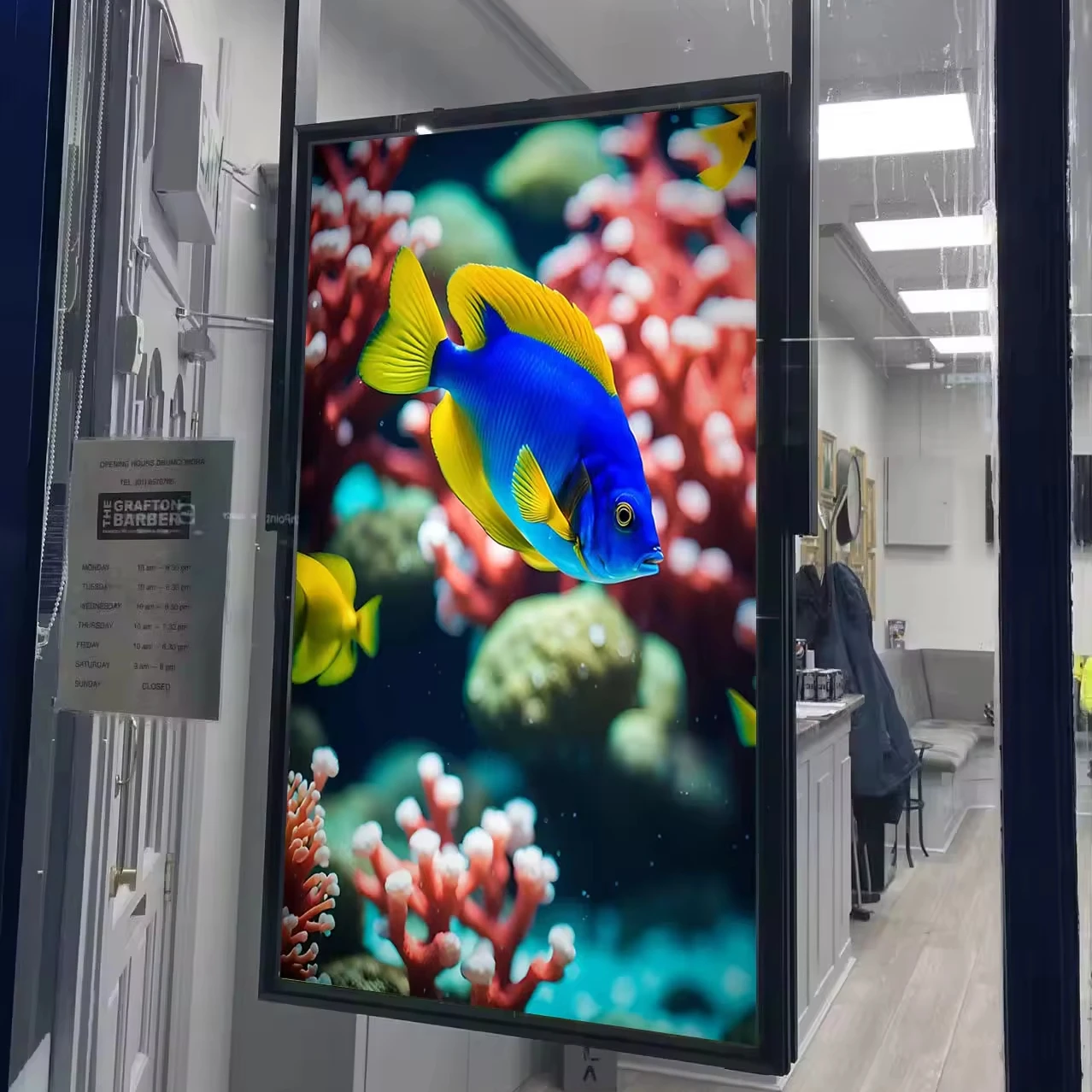
The performance characteristics of outdoor digital displays have evolved dramatically over the past decade, with manufacturers developing specialized technologies to address sunlight readability challenges. High-brightness LCD panels now incorporate advanced backlighting systems, anti-reflective coatings, and thermal management solutions that enable consistent operation in demanding outdoor environments. These technological improvements have made it possible for businesses to deploy effective advertising displays in locations previously considered unsuitable for electronic signage.
Brightness Requirements for Sunlight Visibility
Understanding Nit Levels and Display Brightness
The fundamental measure of display brightness is expressed in nits, with standard indoor displays typically operating between 250-400 nits. However, an outdoor lcd display advertising screen requires significantly higher brightness levels to maintain visibility under direct sunlight conditions. Professional outdoor displays typically feature brightness ratings between 1,000-5,000 nits, with premium models reaching even higher levels for extreme environments.
Direct sunlight can produce ambient light levels exceeding 10,000 nits, creating substantial challenges for display visibility. To achieve optimal contrast ratios and ensure content remains clearly visible, outdoor advertising screens must generate sufficient luminance to overcome ambient light interference. The brightness-to-ambient light ratio determines whether viewers can distinguish display content from background lighting conditions.
Advanced outdoor displays incorporate automatic brightness adjustment systems that monitor ambient light conditions and adjust display luminance accordingly. These intelligent brightness management systems help optimize energy consumption while maintaining optimal visibility throughout changing daylight conditions. The technology ensures that an outdoor lcd display advertising screen delivers consistent performance from dawn to dusk without manual intervention.
Impact of Ambient Light on Display Performance
Ambient light conditions significantly influence the perceived quality and effectiveness of outdoor advertising displays. Morning and evening lighting conditions present different challenges compared to midday sun exposure, requiring displays to adapt their brightness output dynamically. Seasonal variations in sun angle and intensity also affect how an outdoor lcd display advertising screen performs throughout the year.
Reflective glare represents another critical factor affecting outdoor display visibility. High-quality outdoor displays incorporate specialized anti-reflective coatings and optical bonding techniques to minimize surface reflections that can obscure displayed content. These technologies help maintain image clarity even when sunlight strikes the display surface at various angles throughout the day.
Geographic location plays a significant role in determining the brightness requirements for outdoor advertising displays. Installations in tropical regions with intense solar radiation require higher brightness specifications compared to temperate climates. Understanding local environmental conditions helps businesses select appropriately specified displays for their specific deployment locations.
Temperature Management and Thermal Performance
Heat Dissipation Technologies
Effective thermal management represents a critical aspect of outdoor display performance, as excessive heat can degrade image quality and reduce component lifespan. High-brightness backlighting systems generate substantial heat, requiring sophisticated cooling solutions to maintain optimal operating temperatures. Modern outdoor lcd display advertising screen designs incorporate multiple thermal management strategies including active cooling fans, heat sinks, and thermal interface materials.
Advanced thermal monitoring systems continuously track internal component temperatures and adjust cooling system operation accordingly. These systems help prevent overheating conditions that could cause display shutdown or permanent damage to sensitive electronic components. Proper thermal management ensures consistent performance even during peak summer temperatures exceeding 40°C (104°F).
Air circulation design within outdoor display enclosures plays a crucial role in heat dissipation effectiveness. Strategic placement of intake and exhaust vents creates optimal airflow patterns that efficiently remove heat from critical components. Some premium displays feature temperature-controlled cooling systems that automatically adjust fan speeds based on internal temperature readings.
Operating Temperature Ranges
Professional outdoor advertising displays are designed to operate within extended temperature ranges, typically from -20°C to +55°C (-4°F to +131°F). These wide operating temperature specifications ensure reliable performance across diverse climate conditions and seasonal variations. An outdoor lcd display advertising screen must maintain consistent image quality and brightness levels throughout these temperature extremes.
Temperature fluctuations can affect LCD panel performance characteristics including response times, color accuracy, and brightness uniformity. High-quality outdoor displays incorporate temperature compensation algorithms that automatically adjust display parameters to maintain consistent visual performance. These systems help ensure that advertising content appears identical regardless of ambient temperature conditions.
Cold weather operation presents unique challenges for outdoor displays, as LCD panels may exhibit slower response times and reduced brightness at low temperatures. Advanced outdoor displays feature integrated heating systems that maintain optimal operating temperatures during winter conditions. These heating systems prevent condensation formation and ensure reliable operation in sub-freezing environments.
Protective Features and Weather Resistance
IP Rating Requirements
Weather protection capabilities are essential for outdoor display longevity and reliable operation. Professional outdoor displays typically feature IP65 or higher ingress protection ratings, providing complete protection against dust ingress and resistance to water jets from any direction. These protection levels ensure that an outdoor lcd display advertising screen can withstand rain, snow, and windborne particles without compromising internal components.
Sealed enclosure designs prevent moisture infiltration that could cause corrosion, short circuits, or component failure. High-quality outdoor displays incorporate multiple sealing systems including gaskets, weatherstripping, and drainage channels that redirect water away from sensitive areas. These comprehensive sealing solutions enable reliable operation in humid coastal environments and areas with frequent precipitation.
Vandal resistance represents another important consideration for outdoor advertising displays, particularly in high-traffic urban environments. Tempered glass or polycarbonate protective screens shield LCD panels from impact damage while maintaining optical clarity. Anti-graffiti coatings facilitate easy cleaning and maintenance of display surfaces exposed to public access areas.
UV Protection and Screen Longevity
Ultraviolet radiation exposure can cause significant degradation to display components over time, including plastic housings, sealing materials, and optical filters. Professional outdoor displays incorporate UV-resistant materials and protective coatings that maintain structural integrity and optical performance despite prolonged sun exposure. These protective measures help ensure that an outdoor lcd display advertising screen maintains its appearance and functionality throughout its operational lifespan.
Advanced optical bonding techniques eliminate air gaps between LCD panels and protective glass surfaces, reducing internal reflections and improving contrast ratios. This technology also provides additional protection against moisture infiltration and impact damage while enhancing overall display durability. Optically bonded displays typically demonstrate superior performance in high-brightness outdoor environments.
Color stability over time represents a crucial performance characteristic for advertising applications, as color shifts can affect brand representation and message effectiveness. High-quality outdoor displays utilize color-stable LED backlighting systems and implement color calibration algorithms that maintain consistent color reproduction throughout the display's operational life.
Power Consumption and Energy Efficiency
Energy Management Systems
Power consumption considerations become particularly important for outdoor advertising displays due to their high-brightness requirements and continuous operation schedules. An efficient outdoor lcd display advertising screen incorporates advanced power management technologies that optimize energy usage while maintaining required brightness levels. These systems can significantly reduce operational costs over the display's lifespan.
Automatic brightness adjustment systems help minimize power consumption by reducing display brightness during low ambient light conditions. These intelligent systems can achieve energy savings of 30-50% compared to displays operating at fixed brightness levels. Solar integration options are increasingly popular for remote installations where grid power access is limited or expensive.
LED backlighting technology offers superior energy efficiency compared to traditional CCFL backlighting systems while providing better brightness uniformity and color reproduction. Modern LED drivers incorporate dimming capabilities and thermal protection features that extend component lifespan and improve overall system reliability. These technological advances make outdoor displays more economically viable for extended operation periods.
Operational Cost Considerations
Total cost of ownership calculations must account for energy consumption, maintenance requirements, and component replacement costs over the display's operational lifespan. High-efficiency outdoor displays may command higher initial purchase prices but often deliver superior long-term value through reduced operating expenses. An outdoor lcd display advertising screen with advanced energy management capabilities can significantly impact overall project economics.
Maintenance scheduling and remote monitoring capabilities help minimize service costs and maximize display uptime. Modern outdoor displays often feature network connectivity options that enable remote diagnostics, firmware updates, and performance monitoring. These capabilities reduce the need for on-site service visits and enable proactive maintenance scheduling.
Component modularity and serviceability design considerations affect long-term maintenance costs and system reliability. Displays designed with easily replaceable components and accessible service points reduce repair time and labor costs. These design features become particularly important for installations in remote locations where service access may be challenging or expensive.
Installation and Mounting Considerations
Structural Requirements
Proper mounting and structural support are critical for safe and reliable outdoor display operation. Wind loading calculations must account for display size, mounting height, and local weather conditions to ensure adequate structural support. An outdoor lcd display advertising screen requires robust mounting systems designed to withstand environmental stresses while maintaining proper display alignment and stability.
Foundation requirements vary based on display size, mounting configuration, and local building codes. Ground-mounted displays typically require concrete foundations designed to resist overturning moments caused by wind loading. Wall-mounted installations must distribute loads appropriately across building structures to prevent damage to mounting surfaces.
Cable management and connectivity planning are essential for professional installations that minimize maintenance requirements and weather exposure. Proper cable routing protects data and power connections from environmental damage while facilitating future service access. Surge protection devices help prevent damage from lightning strikes and electrical transients common in outdoor environments.
Positioning and Viewing Angles
Optimal display positioning balances visibility requirements with solar exposure considerations to maximize advertising effectiveness. South-facing installations in northern climates receive maximum sun exposure, requiring higher brightness specifications but potentially offering better visibility to passing traffic. East and west-facing orientations may experience more favorable lighting conditions during peak traffic periods.
Viewing angle specifications become particularly important for outdoor advertising applications where audiences may view displays from various positions and distances. Wide viewing angle LCD technology ensures consistent brightness and color reproduction across the intended viewing zone. An outdoor lcd display advertising screen with superior viewing angle performance delivers more effective advertising coverage.
Height and tilt angle adjustments can optimize display visibility while minimizing direct sun exposure on the display surface. Proper positioning helps reduce reflective glare while ensuring maximum audience coverage. Local regulations may restrict display positioning and brightness levels, particularly in residential areas or near transportation corridors.
Content Optimization for Outdoor Viewing
Design Considerations for Bright Environments
Content design principles for outdoor displays differ significantly from indoor applications due to challenging viewing conditions and audience behavior patterns. High contrast color schemes and bold typography ensure message legibility under various lighting conditions. An effective outdoor lcd display advertising screen requires content specifically optimized for outdoor viewing environments.
Animation and video content must account for reduced color depth and potential motion blur in high-brightness outdoor environments. Simplified graphics and reduced detail levels often prove more effective than complex imagery that may become difficult to distinguish under bright sunlight. Content refresh rates and transition effects should complement the display's technical capabilities and environmental constraints.
Message timing and duration considerations reflect typical outdoor audience engagement patterns, where viewers may have limited attention spans and viewing time. Concise messaging with clear calls-to-action typically achieve better results than lengthy or complex content presentations. Dynamic content scheduling can optimize message delivery based on traffic patterns and ambient lighting conditions throughout the day.
Color and Contrast Optimization
Color selection significantly impacts message visibility and effectiveness in outdoor advertising applications. High-contrast color combinations such as yellow on black or white on dark blue provide optimal legibility under varying lighting conditions. An outdoor lcd display advertising screen performs best when displaying content designed with appropriate color contrast ratios for outdoor viewing.
Brightness and gamma adjustments may be necessary to optimize content appearance for specific outdoor environments. Content management systems often include outdoor viewing presets that automatically adjust color and contrast parameters for optimal visibility. These adjustments help ensure consistent message delivery regardless of ambient lighting variations.
Color temperature considerations become important when displays operate in different lighting environments throughout the day. Automatic color temperature adjustment systems can optimize display appearance to complement prevailing ambient lighting conditions. These systems help maintain natural color reproduction that appears comfortable and engaging to viewers.
FAQ
What brightness level is required for outdoor LCD displays to be visible in direct sunlight
Outdoor LCD displays typically require minimum brightness levels of 1,000-2,000 nits for basic sunlight visibility, with premium applications demanding 3,000-5,000 nits for optimal performance. The required brightness depends on geographic location, installation orientation, and ambient light conditions. outdoor lcd display advertising screen models with automatic brightness adjustment provide optimal visibility while minimizing energy consumption throughout varying daylight conditions.
How do outdoor LCD displays handle extreme temperature conditions
Professional outdoor LCD displays incorporate comprehensive thermal management systems including active cooling, internal heating, and temperature monitoring to operate reliably in temperatures ranging from -20°C to +55°C. Advanced displays feature automatic temperature compensation that adjusts display parameters to maintain consistent performance regardless of ambient temperature. Proper thermal design ensures reliable operation and extends component lifespan in challenging outdoor environments.
What protective features are essential for outdoor advertising displays
Essential protective features include IP65 or higher ingress protection ratings, tempered glass or polycarbonate front panels, UV-resistant materials, and vandal-resistant construction. These features protect internal components from weather, dust, moisture, and physical damage while maintaining optical clarity and display performance. Anti-reflective coatings and optical bonding further enhance visibility and durability in outdoor environments.
How does power consumption differ between indoor and outdoor LCD displays
Outdoor LCD displays typically consume 3-5 times more power than equivalent indoor displays due to high-brightness backlighting requirements and active cooling systems. However, modern displays with LED backlighting and intelligent brightness management can achieve significant energy savings through automatic dimming and scheduling features. Energy-efficient designs help reduce operational costs while maintaining required performance levels for effective outdoor advertising applications.
Table of Contents
- Brightness Requirements for Sunlight Visibility
- Temperature Management and Thermal Performance
- Protective Features and Weather Resistance
- Power Consumption and Energy Efficiency
- Installation and Mounting Considerations
- Content Optimization for Outdoor Viewing
-
FAQ
- What brightness level is required for outdoor LCD displays to be visible in direct sunlight
- How do outdoor LCD displays handle extreme temperature conditions
- What protective features are essential for outdoor advertising displays
- How does power consumption differ between indoor and outdoor LCD displays