
 EN
EN
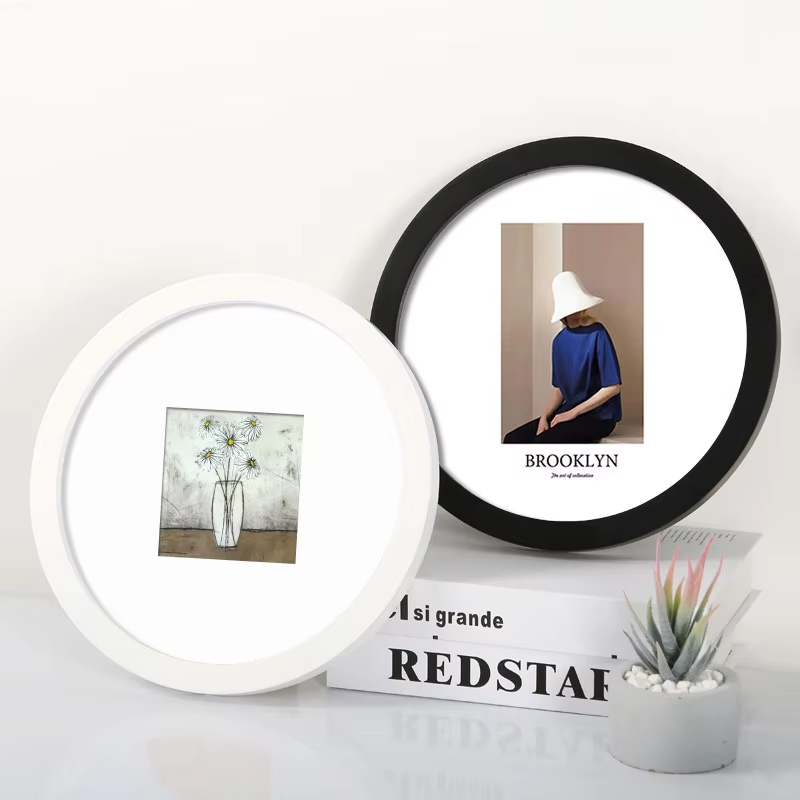
The evolution of display technology has transformed how businesses communicate with their audiences, particularly through outdoor digital signage solutions that demand both visual impact and technical precision. Round LCD displays represent a cutting-edge approach to visual communication, offering unique aesthetic advantages while presenting specific challenges for content compatibility in B2B environments. Understanding the intricacies of content adaptation for circular display formats is essential for project managers, system integrators, and technology decision-makers who aim to maximize the effectiveness of their outdoor digital signage investments. Modern businesses increasingly recognize that unconventional display shapes can create memorable brand experiences and enhance customer engagement when properly implemented. The journey toward successful round display integration requires careful consideration of content formatting, resolution optimization, and compatibility standards that differ significantly from traditional rectangular screens.
Understanding Round LCD Display Technology Fundamentals
Technical Specifications and Resolution Considerations
Round LCD displays operate on fundamentally different principles compared to traditional rectangular formats, requiring specialized understanding of pixel distribution and resolution mapping. The circular geometry creates unique challenges for content creators who must adapt standard rectangular content formats to circular viewports without losing critical visual information. Pixel density calculations become more complex when working with circular displays, as the effective viewing area varies depending on content positioning and scaling approaches. Outdoor digital signage applications particularly benefit from high-resolution round displays that maintain clarity and readability across varying lighting conditions and viewing distances. Understanding native resolution specifications ensures optimal content rendering and prevents distortion issues that commonly occur when rectangular content is improperly scaled to circular formats.
Display Panel Characteristics and Environmental Factors
Environmental durability represents a critical factor in outdoor digital signage deployment, with round LCD displays requiring specialized protection against weather elements, temperature fluctuations, and UV exposure. The circular form factor presents unique sealing challenges that manufacturers address through innovative housing designs and protective coatings. Brightness specifications for round displays must account for the concentrated viewing area and potential glare issues that can affect visibility in direct sunlight conditions. Color accuracy and contrast ratios become particularly important in outdoor environments where ambient light conditions constantly change throughout the day. Understanding these environmental considerations helps project planners select appropriate round display models that maintain performance reliability and visual quality over extended operational periods.
Content Formatting Strategies for Circular Displays
Aspect Ratio Adaptation and Scaling Techniques
Successful content adaptation for round displays requires sophisticated understanding of aspect ratio management and scaling methodologies that preserve visual integrity while maximizing the circular viewing area. Traditional rectangular content must undergo careful transformation processes that consider focal point positioning, text readability, and graphic element placement within the circular constraint. Professional outdoor digital signage installations benefit from content management systems that support native circular formatting and automated scaling algorithms. Advanced scaling techniques include center-weighted cropping, circular mask application, and dynamic content repositioning that ensures critical information remains visible and readable. Content creators must develop new design paradigms that embrace the circular format rather than simply adapting existing rectangular layouts, leading to more engaging and visually compelling displays.
Typography and Text Optimization Methods
Text presentation in circular displays demands specialized typography approaches that account for reading patterns, character spacing, and visual hierarchy within the round format constraints. Curved text paths and radial typography arrangements can enhance the natural flow of information while maintaining readability standards required for effective outdoor digital signage communication. Font selection becomes crucial as certain typefaces perform better in circular layouts, with sans-serif fonts generally providing superior legibility in curved arrangements. Line spacing and character kerning require adjustment to accommodate the varying width zones within circular displays, ensuring consistent readability across different sections of the screen. Professional typography tools and software solutions now offer specialized circular text formatting features that streamline the content creation process for round display applications.
Software Solutions and Content Management Systems
Specialized Content Management Platforms
Modern content management systems designed for outdoor digital signage have evolved to include specialized tools for round display content optimization and deployment scheduling. These platforms provide automated content formatting capabilities that simplify the process of adapting existing media assets for circular display presentation. Advanced CMS solutions offer real-time preview features that allow content creators to visualize how their designs will appear on actual round displays before deployment. Integration capabilities with existing enterprise systems ensure seamless workflow management and content updates across multiple display locations. Cloud-based management platforms enable remote content control and monitoring, particularly valuable for outdoor digital signage networks that span multiple geographic locations and require centralized oversight.
Design Software and Creative Tools Integration
Professional design software packages now incorporate specialized features for circular display content creation, including template libraries, circular grid systems, and automated formatting tools. Adobe Creative Suite and similar professional platforms offer plugins and extensions specifically developed for round display optimization and content adaptation workflows. Vector-based design approaches prove particularly effective for circular displays as they maintain scalability and crisp rendering across different display sizes and resolutions. Template-based design systems accelerate content creation while ensuring consistency across outdoor digital signage installations that utilize round display formats. Integration between design software and content management systems streamlines the workflow from creative concept to live display deployment, reducing production time and potential formatting errors.
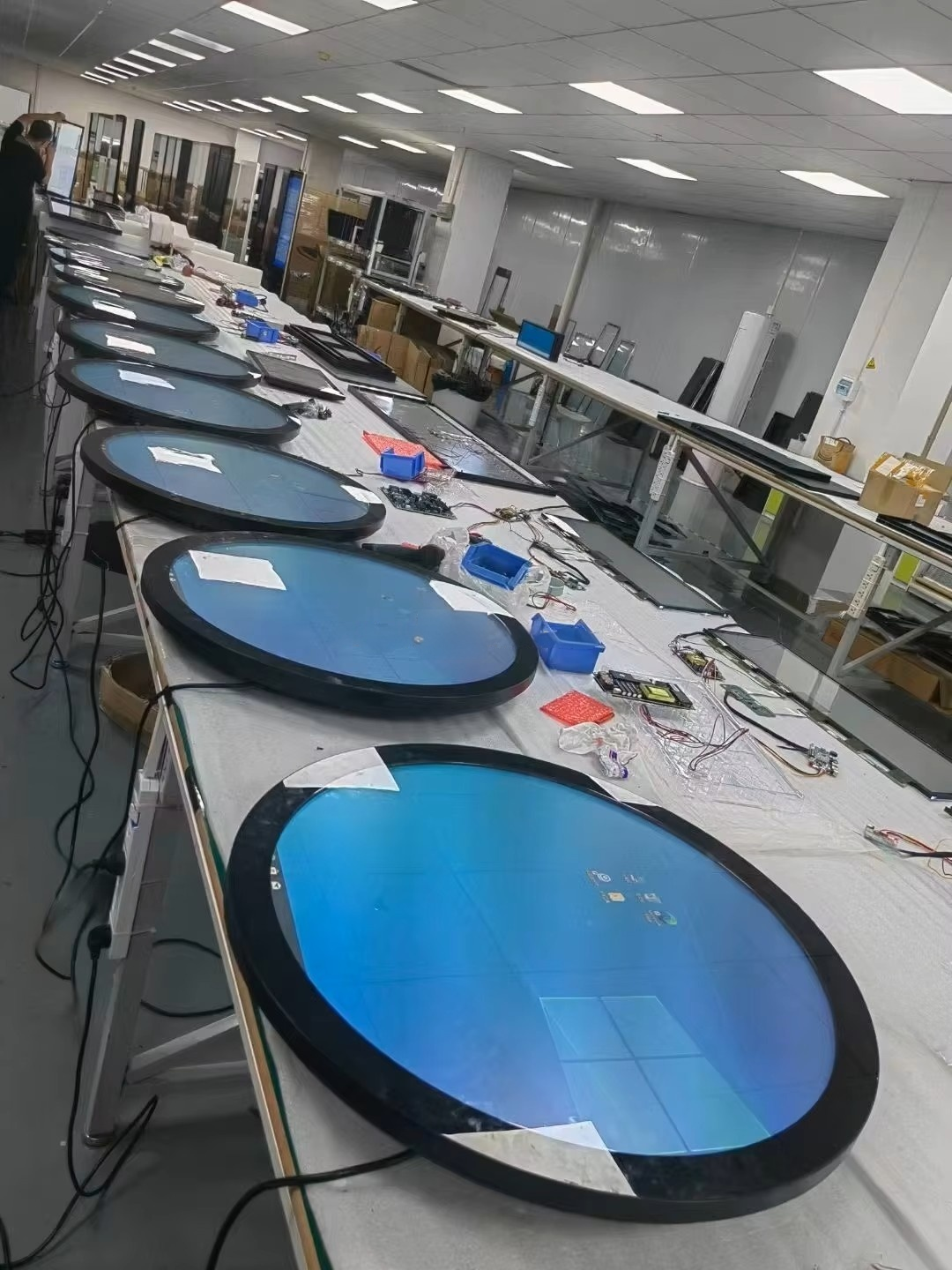
Hardware Integration and System Architecture
Display Controller and Signal Processing Requirements
Round LCD displays require specialized display controllers capable of handling the unique signal processing demands of circular content rendering and geometric transformations. Hardware specifications must account for the additional processing power needed to convert rectangular video signals into optimized circular formats in real-time. Signal integrity becomes particularly important in outdoor digital signage installations where cable runs may be extensive and environmental factors can affect transmission quality. Modern display controllers incorporate advanced algorithms for edge smoothing, anti-aliasing, and color correction specifically optimized for circular display presentations. Understanding controller compatibility ensures seamless integration with existing media player systems and content delivery networks commonly used in professional signage installations.
Power Management and Environmental Protection
Power consumption patterns for round displays differ from rectangular formats due to the concentrated pixel density and specialized backlighting arrangements required for optimal circular illumination. Environmental protection systems must account for the unique mounting requirements and heat dissipation patterns associated with circular display housings. Outdoor digital signage applications demand robust power management solutions that can handle varying environmental conditions while maintaining consistent display performance. Cooling systems require specialized design considerations to accommodate the circular form factor while ensuring adequate heat removal from concentrated component areas. Surge protection and power conditioning become critical factors in outdoor installations where electrical supply variations can significantly impact display longevity and performance reliability.
Project Planning and Implementation Best Practices
Site Assessment and Installation Considerations
Successful round display installations begin with comprehensive site assessments that consider viewing angles, ambient lighting conditions, and architectural integration requirements specific to outdoor digital signage applications. Mounting systems for circular displays require specialized hardware that distributes weight evenly while providing secure attachment points for various installation scenarios. Accessibility planning becomes crucial for maintenance procedures, as round displays may require different service approaches compared to traditional rectangular formats. Site preparation must account for the unique electrical and data connectivity requirements associated with circular display systems and their supporting infrastructure. Professional installation teams require specialized training to handle the unique challenges presented by round display mounting and calibration procedures.
Quality Assurance and Testing Protocols
Quality assurance protocols for outdoor digital signage featuring round displays must address the specific testing requirements associated with circular content rendering and environmental performance validation. Comprehensive testing procedures include color accuracy verification, brightness uniformity assessment, and content compatibility validation across various media formats. Long-term reliability testing becomes particularly important for outdoor installations where displays must perform consistently across seasonal weather variations and extended operational periods. Remote monitoring capabilities enable ongoing performance assessment and proactive maintenance scheduling that prevents costly service interruptions. Documentation standards for round display installations should include specialized calibration procedures and troubleshooting guides specific to circular display technologies.
Industry Applications and Use Cases
Retail and Commercial Environments
Retail environments increasingly leverage round displays for outdoor digital signage applications that create distinctive brand experiences and attract customer attention through innovative visual presentations. Shopping centers and commercial districts utilize circular displays for wayfinding systems, promotional content, and architectural integration that complements modern design aesthetics. Restaurant and hospitality industries find round displays particularly effective for menu displays and promotional content that stands out in competitive visual environments. The unique form factor of circular displays enables creative content presentations that would be impossible with traditional rectangular formats, opening new possibilities for brand storytelling and customer engagement. Market research indicates that round displays generate higher attention rates and longer viewing times compared to conventional display formats in retail environments.
Transportation and Public Spaces
Transportation hubs and public spaces benefit from round displays that provide clear information delivery while contributing to architectural aesthetics and wayfinding systems. Airport and transit station installations utilize circular displays for arrival/departure information, advertising content, and emergency communication systems that require high visibility and reliability. Public art installations increasingly incorporate round displays as interactive elements that blend technology with artistic expression in outdoor digital signage applications. Urban planning initiatives recognize circular displays as architectural elements that can enhance public spaces while providing functional information delivery capabilities. The compact form factor and unique visual appeal of round displays make them particularly suitable for space-constrained installations where traditional rectangular displays would be impractical.
Future Trends and Technology Evolution
Emerging Display Technologies and Capabilities
Emerging technologies in round display manufacturing promise enhanced performance characteristics including improved brightness levels, better energy efficiency, and extended operational lifespans for outdoor digital signage applications. OLED and micro-LED technologies adapted for circular formats offer superior contrast ratios and wider viewing angles that enhance outdoor visibility under various lighting conditions. Advanced manufacturing processes enable larger diameter round displays while maintaining pixel density and image quality standards required for professional installations. Interactive capabilities including touch responsiveness and gesture recognition are being integrated into round display systems, expanding their potential applications in public and commercial environments. Research and development efforts focus on flexible and curved display technologies that could revolutionize the possibilities for creative outdoor digital signage installations.
Integration with Smart City Infrastructure
Smart city initiatives increasingly recognize round displays as integral components of urban digital infrastructure that can provide information services while contributing to aesthetic urban design goals. Internet of Things integration enables round displays to function as data collection points and environmental monitoring stations while serving their primary outdoor digital signage functions. 5G connectivity capabilities support high-bandwidth content delivery and real-time data synchronization for dynamic content updates across city-wide display networks. Artificial intelligence integration promises automated content optimization based on environmental conditions, audience demographics, and traffic patterns specific to each installation location. Sustainability initiatives drive development of solar-powered round display systems that can operate independently in remote locations while maintaining professional performance standards.
FAQ
What are the main technical challenges when adapting content for round LCD displays?
The primary technical challenges include resolution mapping from rectangular source content to circular viewports, maintaining text readability across curved display areas, and ensuring proper aspect ratio preservation without losing critical visual information. Content creators must develop new design approaches that work within circular constraints while maintaining professional standards for outdoor digital signage applications. Additionally, color accuracy and brightness uniformity can be more challenging to achieve in circular formats due to the concentrated pixel arrangements and specialized backlighting requirements.
How do environmental factors affect round display performance in outdoor installations?
Environmental factors significantly impact round display performance through temperature fluctuations that affect LCD response times, UV exposure that can degrade display components over time, and moisture ingress risks that require specialized sealing solutions. Outdoor digital signage installations must account for wind loading on circular display housings, which present different aerodynamic characteristics compared to rectangular displays. Proper environmental protection includes weatherproof housing design, temperature management systems, and UV-resistant materials that ensure long-term reliability in outdoor conditions.
What software solutions are recommended for creating content for circular displays?
Recommended software solutions include specialized content management systems with native circular display support, professional design software with round format templates and tools, and media player software capable of real-time geometric content transformation. Many outdoor digital signage platforms now offer plugins and extensions specifically designed for circular content optimization and automated formatting capabilities. Cloud-based solutions provide remote content management and scheduling features that are particularly valuable for multi-location installations requiring centralized control and monitoring.
How does the cost of round display installations compare to traditional rectangular formats?
Round display installations typically involve higher initial costs due to specialized manufacturing processes, custom mounting hardware requirements, and the need for content creation tools designed for circular formats. However, the unique visual impact and attention-grabbing capabilities of round displays can provide superior return on investment in outdoor digital signage applications where audience engagement is critical. Long-term operational costs may be comparable to rectangular displays when factoring in energy efficiency improvements and reduced maintenance requirements of modern circular display technologies.
Table of Contents
- Understanding Round LCD Display Technology Fundamentals
- Content Formatting Strategies for Circular Displays
- Software Solutions and Content Management Systems
- Hardware Integration and System Architecture
- Project Planning and Implementation Best Practices
- Industry Applications and Use Cases
- Future Trends and Technology Evolution
-
FAQ
- What are the main technical challenges when adapting content for round LCD displays?
- How do environmental factors affect round display performance in outdoor installations?
- What software solutions are recommended for creating content for circular displays?
- How does the cost of round display installations compare to traditional rectangular formats?