
 EN
EN
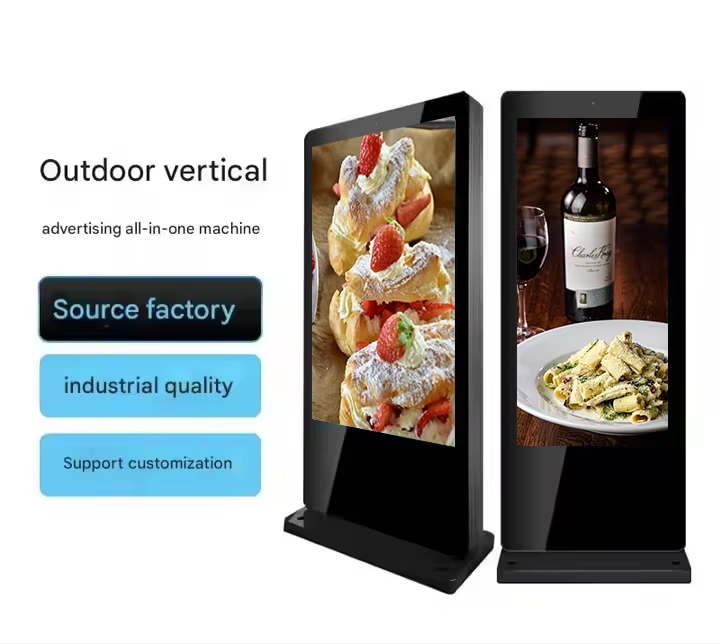
Modern businesses increasingly rely on outdoor digital signage to capture customer attention and deliver dynamic messaging in outdoor environments. However, deploying these sophisticated display systems outside presents unique challenges that require careful consideration of weather resistance, durability, and performance optimization. Understanding how outdoor digital signage systems overcome environmental obstacles is crucial for organizations investing in these powerful communication tools.
Weather Protection Technologies in Digital Display Systems
Advanced Enclosure Design Principles
Professional outdoor digital signage employs sophisticated enclosure technologies specifically engineered to withstand harsh environmental conditions. These protective housings utilize military-grade materials including aluminum alloys and stainless steel components that resist corrosion and structural degradation. The enclosure design incorporates multiple sealing layers with industrial-grade gaskets that prevent moisture infiltration while maintaining optimal ventilation for internal components.
Temperature management within these enclosures relies on intelligent thermal regulation systems that automatically adjust cooling and heating elements based on ambient conditions. Advanced outdoor digital signage systems integrate temperature sensors throughout the housing to monitor critical component zones and prevent overheating or condensation formation that could damage sensitive electronics.
IP Rating Standards and Certification Requirements
International Protection rating systems provide standardized measurements for evaluating the weather resistance capabilities of outdoor digital signage installations. Most commercial-grade systems achieve IP65 or IP66 certification, indicating complete protection against dust ingress and powerful water jets from multiple directions. These ratings ensure that outdoor digital signage can operate reliably during heavy rainfall, snow storms, and high-pressure cleaning procedures.
Manufacturers subject their outdoor digital signage products to rigorous testing protocols that simulate extreme weather scenarios including salt spray exposure, thermal cycling, and vibration resistance. These comprehensive evaluation processes verify that display systems can maintain functionality and image quality throughout extended outdoor deployment periods.
Temperature Resistance and Thermal Management
Extreme Heat Mitigation Strategies
High-performance outdoor digital signage systems incorporate multiple thermal management technologies to prevent overheating in direct sunlight and extreme temperature environments. Active cooling systems utilize powerful fans and heat exchangers to maintain optimal operating temperatures even when ambient conditions exceed 50°C. These cooling mechanisms work in conjunction with passive heat dissipation features including thermal fins and heat-conducting materials that efficiently transfer heat away from critical components.
Screen brightness optimization plays a crucial role in temperature control for outdoor digital signage installations. Advanced systems automatically adjust display luminosity based on ambient light sensors and internal temperature readings, reducing power consumption and heat generation during peak temperature periods while maintaining excellent visibility.
Cold Weather Performance Enhancement
Sub-zero temperature operation requires specialized components and heating systems within outdoor digital signage installations. Internal heating elements activate automatically when temperatures drop below manufacturer-specified thresholds, ensuring that LCD panels and electronic components remain within operational parameters. These heating systems utilize energy-efficient technologies that minimize power consumption while providing consistent warmth distribution throughout the enclosure.
Cold-resistant outdoor digital signage employs specialized LCD technologies and component materials that maintain functionality in extreme cold conditions. Military-grade capacitors, industrial temperature-rated processors, and cold-weather lubricants ensure reliable operation even when outdoor temperatures reach -30°C or lower.
Moisture and Water Damage Prevention
Comprehensive Sealing Solutions
Professional outdoor digital signage systems utilize multi-layer sealing approaches that create impenetrable barriers against moisture infiltration. Primary sealing involves precision-engineered gaskets and O-rings manufactured from weather-resistant materials including EPDM rubber and silicone compounds. These sealing components undergo regular replacement schedules to maintain optimal protection levels throughout the system lifespan.
Secondary moisture protection includes internal drainage systems that redirect any infiltrated water away from sensitive electronics. outdoor digital signage installations incorporate sloped internal surfaces and drainage channels that prevent water accumulation and ensure rapid moisture evacuation.
Humidity Control and Condensation Management
Internal humidity regulation prevents condensation formation that could damage electronic components or create display visibility issues in outdoor digital signage systems. Desiccant packets and active dehumidification systems maintain optimal moisture levels within protective enclosures. These humidity control mechanisms work continuously to prevent condensation on internal glass surfaces and circuit boards.
Ventilation systems in outdoor digital signage installations utilize filtered air exchange that maintains appropriate humidity levels while preventing contaminant infiltration. Intelligent ventilation controllers monitor internal atmospheric conditions and adjust airflow rates to optimize both component cooling and moisture management.

Wind and Physical Impact Resistance
Structural Engineering for High Wind Loads
Outdoor digital signage installations must withstand significant wind forces that can exceed 150 mph in severe weather conditions. Structural engineering principles guide the design of mounting systems and support frameworks that distribute wind loads across reinforced anchor points. Professional installations utilize galvanized steel frameworks with engineered wind load calculations specific to local climate conditions and installation heights.
Aerodynamic enclosure designs minimize wind resistance while maintaining optimal display visibility for outdoor digital signage applications. Streamlined profiles and strategic ventilation openings reduce wind pressure accumulation while ensuring adequate airflow for component cooling. These design considerations prevent structural stress that could compromise display stability during high wind events.
Impact Protection and Vandal Resistance
Commercial outdoor digital signage incorporates impact-resistant glass and protective screens that prevent damage from debris, vandalism, or accidental contact. Tempered glass panels with anti-reflective coatings provide excellent impact resistance while maintaining superior optical clarity. Some installations utilize polycarbonate protective layers that offer enhanced impact protection without compromising display quality.
Security features in outdoor digital signage systems include tamper-resistant hardware, reinforced access panels, and anti-theft mounting mechanisms. These protective measures ensure system integrity and prevent unauthorized access to sensitive components while maintaining accessibility for authorized maintenance procedures.
Power Management in Adverse Conditions
Surge Protection and Electrical Safety
Lightning strikes and electrical surges pose significant threats to outdoor digital signage systems during severe weather events. Comprehensive surge protection systems utilize multiple stages of protection including gas discharge tubes, metal oxide varistors, and isolation transformers. These protective devices safeguard sensitive electronics from voltage spikes that could cause permanent damage or system failures.
Grounding systems for outdoor digital signage installations follow strict electrical codes and safety standards to prevent electrical hazards and equipment damage. Professional installations incorporate dedicated grounding electrodes and bonding conductors that provide low-resistance paths for electrical fault currents and lightning discharge.
Backup Power and Uninterruptible Operation
Reliable power management ensures continuous operation of outdoor digital signage during weather-related power disruptions. Uninterruptible power supply systems and backup generators maintain system functionality during extended power outages. Battery backup systems provide short-term power support while generators offer long-term operational capability during emergency conditions.
Solar power integration enables sustainable operation of outdoor digital signage in remote locations where grid power access is limited. High-efficiency solar panels and energy storage systems provide reliable power generation while reducing operational costs and environmental impact. These renewable energy solutions incorporate weather-resistant components designed for extended outdoor exposure.
Maintenance and Longevity Optimization
Preventive Maintenance Protocols
Systematic maintenance schedules ensure optimal performance and extended service life for outdoor digital signage installations. Regular inspection protocols include seal integrity verification, component cleanliness assessment, and performance monitoring. Professional maintenance teams utilize specialized tools and procedures to identify potential issues before they compromise system functionality.
Component replacement schedules for outdoor digital signage systems account for accelerated wear rates due to environmental exposure. Critical components including seals, filters, and cooling fans require regular replacement to maintain optimal protection levels. Predictive maintenance technologies monitor component performance and provide early warning indicators for scheduled replacements.
Remote Monitoring and Diagnostic Capabilities
Advanced outdoor digital signage systems incorporate comprehensive monitoring technologies that track system performance, environmental conditions, and component health. Remote diagnostic capabilities enable maintenance teams to identify issues and optimize performance without physical site visits. These monitoring systems provide real-time alerts for temperature excursions, moisture infiltration, or component failures.
Cloud-based management platforms aggregate performance data from multiple outdoor digital signage installations, enabling predictive analytics and optimized maintenance scheduling. These platforms utilize machine learning algorithms to identify patterns and predict component failures, reducing downtime and maintenance costs while maximizing system reliability.
FAQ
What IP rating should outdoor digital signage have for reliable weather protection
Professional outdoor digital signage should achieve a minimum IP65 rating for reliable weather protection, with IP66 preferred for harsh environments. IP65 certification provides complete dust protection and protection against water jets from any direction, while IP66 offers enhanced protection against powerful water jets and heavy rainfall conditions.
How do outdoor digital signage systems maintain visibility in direct sunlight
Outdoor digital signage systems maintain excellent visibility through high-brightness LED backlighting systems typically rated at 1500-3000 nits, anti-reflective screen coatings, and automatic brightness adjustment based on ambient light sensors. These technologies ensure clear display visibility even in direct sunlight conditions while optimizing power consumption and component longevity.
What temperature range can outdoor digital signage operate in safely
Commercial-grade outdoor digital signage typically operates safely in temperature ranges from -30°C to +70°C through integrated thermal management systems including heating elements, cooling fans, and temperature-controlled ventilation. Specialized components and materials enable reliable operation in extreme temperature conditions while maintaining optimal display performance and component protection.
How often should outdoor digital signage systems receive maintenance inspections
Outdoor digital signage systems should receive comprehensive maintenance inspections quarterly, with basic visual inspections monthly and immediate attention following severe weather events. Regular maintenance includes seal integrity checks, component cleaning, performance verification, and preventive component replacements to ensure optimal weather protection and system reliability throughout extended outdoor deployment.
Table of Contents
- Weather Protection Technologies in Digital Display Systems
- Temperature Resistance and Thermal Management
- Moisture and Water Damage Prevention
- Wind and Physical Impact Resistance
- Power Management in Adverse Conditions
- Maintenance and Longevity Optimization
-
FAQ
- What IP rating should outdoor digital signage have for reliable weather protection
- How do outdoor digital signage systems maintain visibility in direct sunlight
- What temperature range can outdoor digital signage operate in safely
- How often should outdoor digital signage systems receive maintenance inspections