 EN
EN


Purchasing a square LCD display in bulk requires careful evaluation of multiple technical, operational, and financial factors. Unlike standard rectangular displays, a square LCD display serves specialized applications in advertising, control systems, and information terminals where aspect ratio directly impacts content layout and user experience. Organizations making bulk purchasing decisions must understand which specifications, vendor capabilities, and support features genuinely affect long-term performance and return on investment.
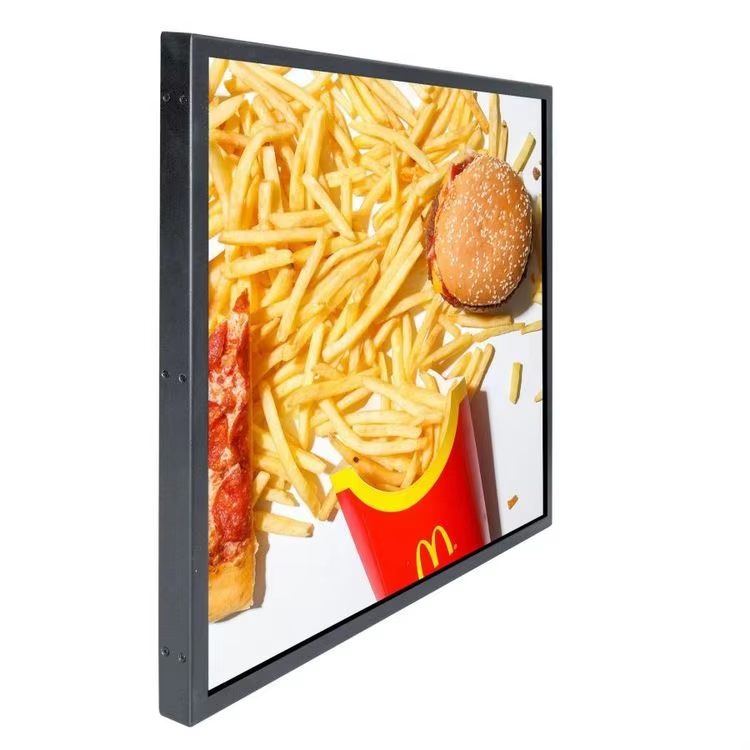
The decision to buy a square LCD display in volume represents a significant capital commitment that extends beyond unit cost. Each purchasing choice influences installation complexity, maintenance requirements, content management workflows, and eventual replacement cycles. Understanding the nuanced factors that differentiate quality offerings helps organizations avoid costly mistakes and secure displays that deliver consistent performance across deployment environments.
Understanding Display Specifications and Performance Criteria
Resolution and Pixel Density Alignment
When evaluating a square LCD display for bulk purchase, native resolution directly determines content clarity and application suitability. A square LCD display with 1920x1920 resolution delivers pixel-perfect rendering for text-heavy applications like schedules, notifications, and information panels, whereas lower resolutions introduce pixelation and reduced readability at typical viewing distances. Organizations should map their content requirements against available resolution options, considering whether stored content exists in square format or requires conversion from standard rectangular layouts. This alignment between content and resolution prevents expensive retrofitting and maximizes the visual investment in each square LCD display unit.
Brightness and Contrast Performance
Brightness measured in candelas per square meter (cd/m²) fundamentally affects visibility in ambient lighting conditions. A square LCD display rated at 500 cd/m² performs well in moderately lit indoor environments and controlled retail spaces, while higher brightness specifications of 700 cd/m² or more suit bright storefronts or outdoor-adjacent installations. Contrast ratio, typically expressed as a ratio comparing white to black output, influences visual depth and text legibility. Organizations purchasing a square LCD display in bulk should verify brightness uniformity across the entire panel to avoid hotspots or dim corners that degrade visual quality. Poor brightness consistency becomes apparent only after extended real-world deployment, making this specification critical during pre-purchase validation.
Connectivity, Integration, and System Compatibility
Interface Options and Signal Support
The connectivity backbone of any square LCD display determines whether units integrate seamlessly into existing infrastructure. Standard square LCD display options include HDMI, DisplayPort, DVI, and USB-C inputs, each serving different source device ecosystems. Organizations managing multiple square LCD display units across geographically dispersed locations benefit from displays supporting multiple simultaneous inputs and flexible switching protocols. Verification of signal compatibility prevents installation delays and reduces troubleshooting overhead when deploying bulk quantities. Additionally, native support for resolution scaling and aspect ratio management ensures content displays correctly regardless of source device capabilities, preventing visual distortion or black-bar margins that underutilize expensive square LCD display real estate.
Control and Management Capabilities
Centralized control functionality becomes essential when managing dozens or hundreds of square LCD display units across a network. A square LCD display with integrated network management ports (Ethernet or wireless connectivity) enables remote power cycling, brightness adjustment, and diagnostics without physical access to each unit. Standard management protocols like Modbus or vendor-specific APIs allow bulk operations through unified command systems, reducing operational complexity. When purchasing a square LCD display in volume, confirming compatibility with existing management infrastructure prevents fragmented control systems and simplifies troubleshooting workflows. Displays lacking standardized management interfaces often require per-unit interaction, multiplying labor costs across large deployments.
Physical Design, Build Quality, and Operational Reliability
Panel Technology and Display Durability
The underlying panel technology significantly influences a square LCD display's lifespan, performance consistency, and cost of ownership. IPS (In-Plane Switching) panels used in quality square LCD display units offer superior color accuracy and wider viewing angles compared to older TN (Twisted Nematic) technology, translating to better content appearance regardless of viewer position. LED backlighting in modern square LCD display designs provides longer operational life and more stable brightness over time than older CCFL technology. When evaluating bulk purchase options, examining typical operating hours before brightness degradation (usually specified at 50,000 to 100,000 hours) helps predict replacement timelines and total cost of ownership. A square LCD display with robust panel construction and quality backlighting justifies premium pricing through extended operational reliability.
Thermal Management and Environmental Tolerance
Operating temperature ranges directly affect square LCD display reliability in demanding environments. Industrial-grade square LCD display units tolerate wider temperature swings (typically 0°C to 60°C or broader) compared to consumer-oriented displays, preventing performance degradation in temperature-variable locations. Humidity tolerance becomes crucial for square LCD display installations in kitchens, warehouses, or outdoor-adjacent spaces where moisture exposure occurs regularly. Displays with sealed construction and protective coatings resist condensation damage and maintain performance stability. Organizations purchasing a square LCD display in bulk for mixed-environment deployment should select models with certified environmental resilience rather than assuming consumer-grade displays suffice for industrial applications. Premature failures in adverse conditions quickly eliminate any cost savings from lower upfront unit pricing.
Vendor Support, Warranty Coverage, and Long-Term Service
Warranty Terms and Support Response
Comprehensive warranty coverage protects bulk purchasing investments against unexpected defect rates or component failures. Leading square LCD display suppliers offer three-year or five-year warranties covering panel defects, backlighting degradation, and electrical component failures. Response time specifications matter significantly when managing multiple square LCD display units; vendors committing to 24-hour replacement or onsite repair prevent extended downtime in critical applications. Organizations should clarify whether warranty coverage extends to entire bulk orders or applies per-unit, as this distinction affects total protection. When selecting a square LCD display supplier for volume purchases, investigating warranty terms alongside price creates a more accurate total cost comparison than unit pricing alone.
Technical Documentation and Scalability Support
Quality square LCD display vendors provide comprehensive technical documentation, integration guides, and developer resources that facilitate deployment across bulk quantities. Clear specifications for power consumption, mechanical dimensions, and weight enable accurate planning of installation infrastructure and electrical requirements. A square LCD display supplier offering responsive technical support during initial deployment phases prevents months of integration delays affecting the entire bulk installation timeline. Organizations should evaluate vendor track records with comparable bulk deployments and request references from organizations with similar operational scale. Long-term partnership quality with a square LCD display supplier matters as much as initial product specifications when committing to large-scale deployments.
FAQ
What resolution should we choose for a square LCD display bulk purchase?
Resolution selection depends on viewing distance and content type. For information displays and text-heavy applications, 1920x1920 resolution provides excellent clarity at typical viewing distances of 1 to 3 meters. Lower resolutions like 1080x1080 suit less demanding applications where fine detail matters less, while higher resolutions beyond 1920x1920 deliver marginal improvement for most use cases but increase content encoding complexity. Match your square LCD display resolution to your actual content requirements rather than selecting the highest available specification.
How many hours can a square LCD display typically operate before degradation?
Most commercial-grade square LCD displays maintain specified brightness and color accuracy for 50,000 to 100,000 operating hours, translating to 5 to 11 years of continuous operation. Industrial-specification units often reach 100,000+ hours before reaching 50% brightness degradation. When planning bulk deployments, reference the manufacturer's lifespan specifications and factor these timelines into replacement budgeting. Operational environment and brightness settings significantly influence actual lifespan, with dimmer settings and cooler operating conditions extending display longevity.
What connectivity options are most important for bulk square LCD display deployments?
HDMI and network-based management ports provide the most flexibility for bulk deployments. HDMI compatibility ensures broad source device support, while network connectivity enables centralized remote management across multiple units without physical access. DisplayPort offers higher bandwidth for future-proofing, while USB-C provides power and signal integration in modern setups. Prioritize displays supporting multiple simultaneous inputs to accommodate mixed source devices across your deployment environment and enable flexible installation configurations.