 EN
EN


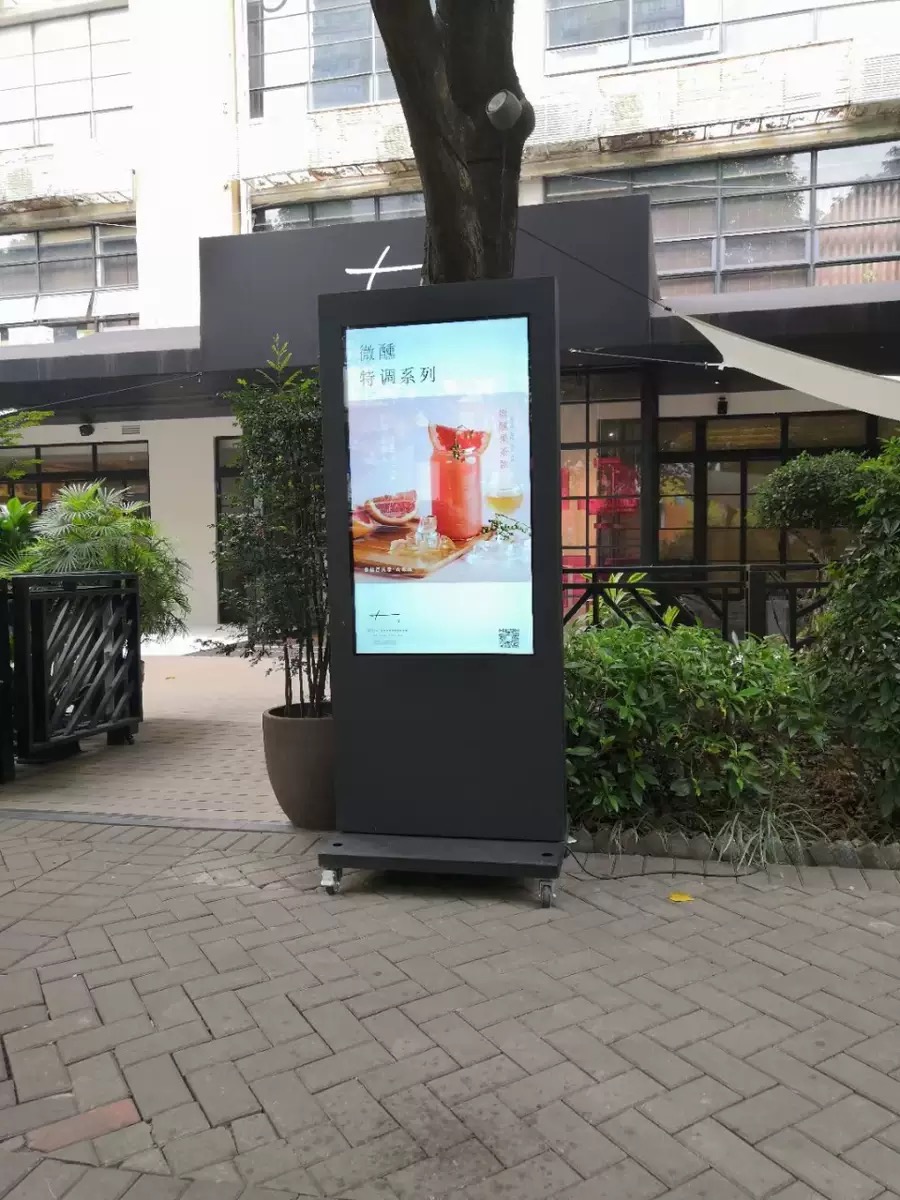 Selecting the right lcd advertising display for your business requires careful evaluation of multiple procurement factors that directly impact return on investment, operational reliability, and customer engagement. Many buyers focus solely on price or brightness specifications, missing critical elements that determine long-term performance and total cost of ownership. Understanding the complete procurement landscape for lcd advertising display systems ensures you make informed decisions aligned with your business objectives and operational constraints.
The lcd advertising display market offers diverse solutions ranging from small retail shelf units to large outdoor installations. Each deployment scenario demands different technical specifications, installation considerations, and vendor support models. This guide explores the essential procurement factors that influence your lcd advertising display investment, helping you navigate vendor selection, technical requirements, budgeting, and ongoing operational success.
Display Specifications and Technical Requirements
Resolution and Image Quality Standards
Resolution represents one of the most visible aspects of any lcd advertising display procurement decision, directly affecting content clarity and viewer engagement. Standard lcd advertising display units range from HD (1920x1080) to 4K resolution, with each tier offering different clarity levels and cost implications. Higher resolution lcd advertising display systems perform better for detailed graphics, small text, and close-proximity viewing scenarios common in retail environments. Your content strategy should drive resolution selection; marketing materials designed for distance viewing may not require 4K resolution, while point-of-sale promotions benefit significantly from sharper image quality. Brightness specifications, measured in candelas per square meter (cd/m²), determine visibility in different lighting conditions, making this another critical lcd advertising display procurement consideration.
Durability and Environmental Specifications
Commercial lcd advertising display systems operate in demanding environments requiring robust hardware specifications. Temperature and humidity ranges define where your lcd advertising display can be reliably deployed; retail environments typically demand 0–40°C operating ranges, while outdoor installations require extended specifications. Mean time between failure (MTBF) ratings indicate the expected lifespan of your lcd advertising display investment, with quality systems exceeding 50,000 hours. Panel quality differences significantly impact long-term performance; premium lcd advertising display panels resist image burn-in, discoloration, and degradation better than budget alternatives. Dust and moisture ingress protection ratings become essential when your lcd advertising display operates near food service areas, manufacturing environments, or outdoor locations exposed to weather.
Integration, Connectivity, and Software Ecosystem
Content Management and Control Systems
Modern lcd advertising display procurement decisions must account for content management capabilities that enable efficient campaign deployment across multiple units. Networked lcd advertising display systems allow remote scheduling, content updates, and performance monitoring without physical access to individual units, reducing operational overhead. Cloud-based management platforms for your lcd advertising display infrastructure streamline multi-location deployments and enable data-driven content optimization. Local storage capabilities and offline playback ensure your lcd advertising display continues functioning during network interruptions, critical for retail and hospitality applications. API accessibility and third-party integration support determine whether your lcd advertising display system seamlessly connects with existing POS systems, inventory management, or customer analytics platforms.
Installation and Physical Integration
Installation requirements significantly influence total project costs and operational readiness of any lcd advertising display deployment. Wall mounting, freestanding installations, and embedded shelf configurations each present different technical challenges and space requirements for your lcd advertising display system. Cable management, power distribution, and network connectivity planning must occur during procurement phases for your lcd advertising display to avoid expensive retrofit work. Vendors offering comprehensive installation support, template designs, and compatibility verification reduce deployment risks for your lcd advertising display investment. Modular and scalable lcd advertising display architectures allow future expansion without replacing core infrastructure, supporting business growth trajectories.
Cost Analysis, Support, and Vendor Reliability
Total Cost of Ownership Calculation
Procurement decisions for lcd advertising display systems must extend beyond purchase price to encompass complete ownership costs over the system lifetime. Energy consumption ratings directly translate to operational expenses for your lcd advertising display, particularly in installations running extended hours. Maintenance requirements, spare parts availability, and repair costs represent significant hidden expenses often overlooked during initial lcd advertising display procurement planning. Warranty coverage options, extended service agreements, and support response times should be evaluated within procurement budgets for your lcd advertising display investment. Financing options, volume discounts, and lease alternatives may offer better financial structures than outright purchase for certain lcd advertising display deployments.
Vendor Reputation and Long-Term Support
Vendor stability and technical support quality determine whether your lcd advertising display investment delivers consistent value throughout its operational life. Established manufacturers with proven track records in commercial lcd advertising display deployments offer greater assurance regarding parts availability and software support continuity. Response time commitments, technical support accessibility, and escalation procedures must be evaluated before committing to any lcd advertising display vendor relationship. References from existing lcd advertising display installations in similar use cases provide valuable insight into vendor reliability and support quality. The lcd advertising display market includes vendors with varying levels of technical expertise and customer commitment, making vendor evaluation a critical procurement factor.
Content Strategy and Business Alignment
Use Case Specific Requirements
Different deployment scenarios create distinct procurement requirements for lcd advertising display systems based on intended business outcomes. Retail shelf displays need compact lcd advertising display dimensions and fast content switching to highlight promotional campaigns and inventory updates. Restaurant menu boards require readable lcd advertising display systems capable of displaying detailed product descriptions and pricing with fast refresh capabilities. Outdoor advertising lcd advertising display installations demand extreme brightness, weather resistance, and vandalism protection specifications that increase system costs significantly. Digital wayfinding lcd advertising display applications prioritize network connectivity, real-time information updates, and intuitive navigation over maximum resolution. Aligning lcd advertising display specifications with specific business objectives ensures procurement decisions drive meaningful return on investment.
Future Scalability and Technology Evolution
Strategic lcd advertising display procurement considers future business expansion and emerging technology adoption without requiring complete system replacement. Modular lcd advertising display architectures allow adding units incrementally as business needs evolve and technology improves. Software updates and feature enhancements maintain your lcd advertising display competitive positioning without hardware obsolescence. Backward compatibility ensures legacy lcd advertising display installations integrate with newer systems during network upgrades. Standards compliance and open protocols prevent vendor lock-in while maintaining lcd advertising display system cohesion and management efficiency across different hardware generations.
FAQ
What display resolution do I need for my lcd advertising display installation?
Resolution requirements for your lcd advertising display depend on viewing distance and content complexity. Retail shelf displays viewed from 1–2 meters typically function well with HD resolution, while promotional displays in high-traffic areas benefit from 1440p or 4K resolution for sharper image quality. Point-of-sale promotions with fine text and detailed graphics demand higher resolution lcd advertising display systems, whereas distance-viewed outdoor advertising can use standard HD resolution successfully. Your content strategy and viewer engagement objectives should guide lcd advertising display resolution selection.
How long should I expect an lcd advertising display system to last?
Quality commercial lcd advertising display systems typically deliver 50,000 to 100,000 hours of reliable operation, translating to 5–10 years of continuous use depending on operating conditions. Panel quality, brightness settings, and environmental factors significantly influence actual lcd advertising display lifespan in production environments. Premium manufacturers provide longer MTBF ratings and more responsive support for aging lcd advertising display installations, justifying higher initial procurement costs. Regular maintenance and proper environmental control extend lcd advertising display operational life and maintain image quality throughout the investment period.
What integration capabilities should I prioritize in an lcd advertising display system?
Cloud-based content management platforms represent the most valuable integration capability for modern lcd advertising display deployments, enabling remote updates across multiple locations without physical intervention. API access and third-party platform compatibility allow your lcd advertising display system to connect with existing retail technology infrastructure including POS systems and inventory management tools. Network reliability, offline playback capability, and data security features protect your lcd advertising display investment and ensure consistent operation during connectivity disruptions. Vendor support for emerging technologies and willingness to develop custom integrations indicate their commitment to your lcd advertising display success long-term.