 EN
EN

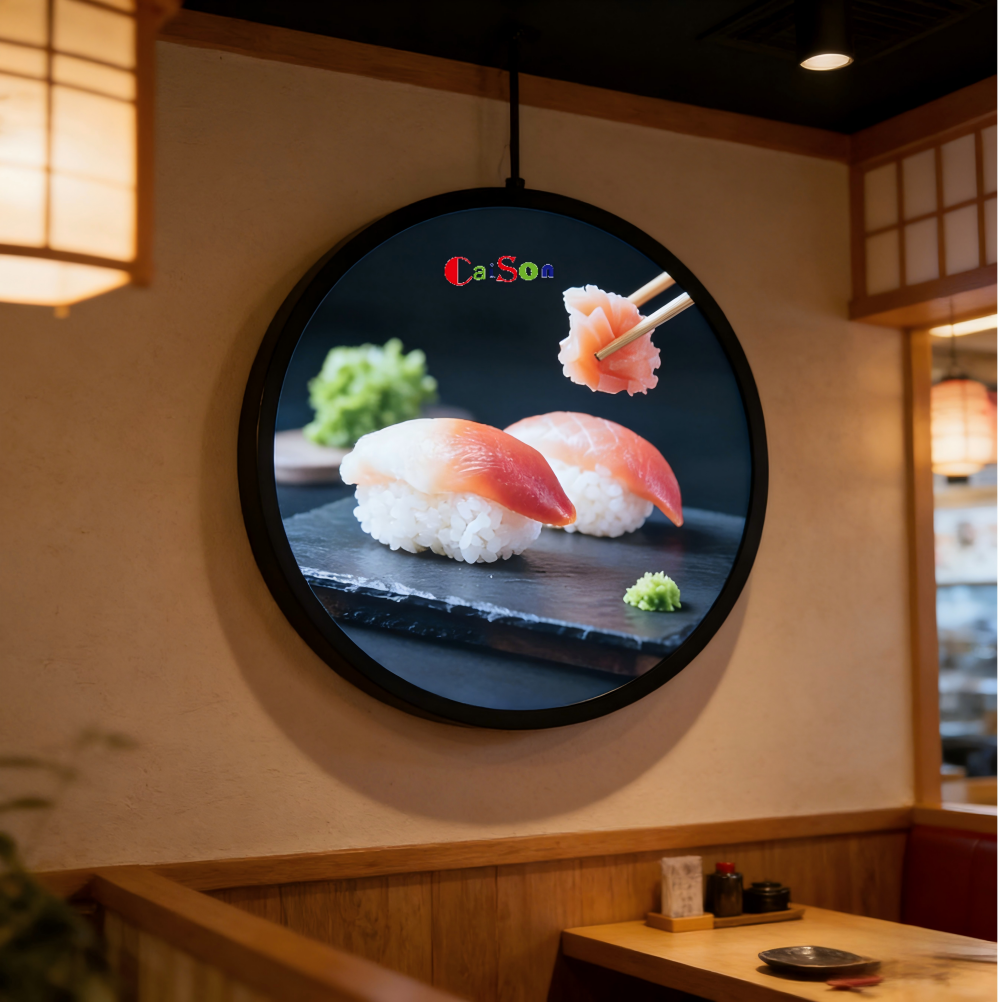
A round LCD screen represents a distinct departure from conventional rectangular displays, offering unique visual and functional advantages in specific contexts. While most digital interfaces rely on traditional square or rectangular formats, a round LCD screen design brings aesthetic appeal, space efficiency, and specialized functionality to targeted applications. Understanding when and where a round LCD screen delivers genuine value helps organizations make informed display decisions aligned with their operational and design requirements.

The decision to implement a round LCD screen depends on specific use case requirements, spatial constraints, and aesthetic objectives. This article explores the primary scenarios where a round LCD screen excels, examining practical applications across different industries and use contexts. By identifying these key scenarios, designers and procurement teams can evaluate whether a round LCD screen aligns with their project goals and technical specifications.
Wearable Devices and Personal Electronics
Smartwatch and Fitness Tracker Applications
Wearable technology represents one of the most natural applications for a round LCD screen design. Smartwatches, fitness trackers, and health monitoring devices benefit significantly from circular display geometry that matches the wrist-worn form factor. A round LCD screen on a smartwatch provides intuitive information hierarchy, with critical metrics displayed centrally and secondary information positioned around the perimeter. This design approach maximizes legibility while maintaining the compact, elegant aesthetic users expect from premium wearable devices. The cylindrical watch case and round LCD screen create visual harmony that enhances user perception of product quality and craftsmanship.
Personal Health and Wellness Devices
Medical and wellness wearables increasingly incorporate a round LCD screen to present vital health data in accessible formats. Blood pressure monitors, heart rate sensors, and sleep tracking devices benefit from the intuitive layout of a round LCD screen, where data radiates from a central point. This radial information architecture aligns naturally with how users process health metrics during quick status checks. A round LCD screen in medical wearables combines functional clarity with reassuring visual design, supporting both professional medical contexts and consumer health applications where user confidence matters significantly.
Automotive and Vehicle Interior Solutions
Dashboard Cluster and Instrument Displays
Modern vehicle interiors increasingly feature a round LCD screen as a central dashboard element, particularly in performance vehicles and premium automotive segments. A round LCD screen in the instrument cluster creates a cohesive design statement that echoes traditional analog gauges while delivering digital functionality. Drivers recognize the familiar circular format, reducing cognitive load during critical driving moments. The round LCD screen design maintains sightline efficiency, as circular geometry focuses attention on the center without the dead corner space that rectangular displays introduce. High-brightness variants of a round LCD screen ensure visibility under intense sunlight, meeting automotive durability and safety standards while supporting navigation, vehicle diagnostics, and real-time performance metrics display.
Infotainment and Center Console Integration
Vehicle infotainment systems benefit from a round LCD screen configuration when designers prioritize compact, conversation-ready display positioning. A round LCD screen in the center console area supports climate control interfaces, audio management, and connectivity functions without dominating the interior aesthetic. The space efficiency of a round LCD screen compared to larger rectangular displays makes it ideal for vehicles where interior real estate is limited. Mounting a round LCD screen in a vehicle's center console eliminates the harsh rectangular frame that might appear visually intrusive in carefully designed automotive interiors. This scenario particularly suits compact vehicles, motorcycles, and specialty automotive platforms where design elegance and spatial constraints intersect.
Industrial Control and Smart Facility Management
Process Monitoring and Equipment Status Displays
Industrial environments frequently implement a round LCD screen for equipment monitoring, control panel interfaces, and process status visualization. Manufacturing facilities, power plants, and utilities deploy a round LCD screen because its radial layout naturally represents cyclical processes, rotational equipment, and 360-degree monitoring scenarios. A round LCD screen in an industrial setting provides operators with status information distributed intuitively around the perimeter, supporting quick visual scanning during high-pressure operational moments. The round LCD screen format allows technicians to interpret complex data arrays without the awkward empty corners that rectangular displays create in compact control panels. High-temperature-rated variants of a round LCD screen meet demanding industrial environments where standard display technology fails.
Smart Building and IoT System Interfaces
Building automation systems and Internet of Things devices increasingly incorporate a round LCD screen to present system status, environmental metrics, and control interfaces in shared spaces. A round LCD screen on a wall-mounted smart thermostat, environmental monitor, or facility dashboard delivers information symmetrically, supporting visibility from multiple viewing angles. The aesthetic appeal of a round LCD screen enhances integration into modern facility design, where display equipment must complement interior aesthetics rather than appear as purely functional components. A round LCD screen in smart building applications reduces installation complexity by fitting naturally into circular mounting fixtures, offering the space-efficient solution that rectangular alternatives cannot match. This scenario supports energy management, occupant comfort monitoring, and predictive maintenance visibility across corporate facilities and commercial buildings.
Retail, Hospitality, and Consumer-Facing Displays
Point-of-Sale and Customer Information Systems
Retail environments benefit from a round LCD screen when presenting transactional information, customer loyalty metrics, or promotional content in compact spaces. A round LCD screen at checkout counters provides customer-facing transaction status without the visual dominance of larger rectangular displays. The compact footprint of a round LCD screen reduces counter clutter while delivering essential information clearly. Restaurants and hospitality venues implement a round LCD screen to display menu items, wait times, or table status information in kitchen and service areas where space efficiency directly impacts operational flow. The distinctive aesthetic of a round LCD screen also serves as a brand differentiation element, creating memorable visual touchpoints in customer-facing environments.
Artistic Installations and Experiential Design
Museums, galleries, and experiential marketing installations frequently employ a round LCD screen for artistic and interactive displays. A round LCD screen supports creative installations where the circular geometry itself becomes part of the artistic vision, enabling content designers to leverage radial symmetry and rotational visual elements. The compact nature of a round LCD screen allows designers to create immersive experiences in space-constrained environments like gallery walls or retail installations. A round LCD screen with high brightness and color accuracy serves premium display applications where visual impact and design sophistication directly communicate brand values and artistic intent to discerning audiences.
FAQ
When is a round LCD screen superior to rectangular display formats?
A round LCD screen excels when design aesthetics matter equally to function, when space is severely constrained, or when the use case naturally requires circular geometry like smartwatches or vehicle dashboards. Rectangular displays maintain advantages for content-rich interfaces requiring multiple columns or dense information layouts. The choice between a round LCD screen and rectangular alternatives depends on balancing aesthetic objectives, functional requirements, installation constraints, and target user expectations within the specific application context.
What technical specifications matter most for a round LCD screen implementation?
Critical specifications for a round LCD screen include brightness levels measured in candelas per square meter (cd/m²), resolution measured in pixels, color accuracy (color gamut coverage), viewing angles, response time, and operating temperature ranges. Industrial applications require a round LCD screen with higher brightness and wider temperature tolerance, while consumer electronics prioritize color accuracy and power efficiency. The specific technical priorities for a round LCD screen implementation depend on the intended application environment, visibility requirements, and performance standards governing that particular use case.
How does a round LCD screen impact production costs and lead times?
Specialized a round LCD screen designs typically involve longer lead times and higher tooling costs compared to mass-market rectangular displays because manufacturing processes require custom masking, testing fixtures, and supply chain coordination. However, high-volume production of standardized a round LCD screen formats benefits from established manufacturing processes that reduce unit costs significantly. Production economics for a round LCD screen depend on order volume, design complexity, and supply chain maturity for the specific diameter and specification required.