Enhanced User Experience Through Natural Interface Design
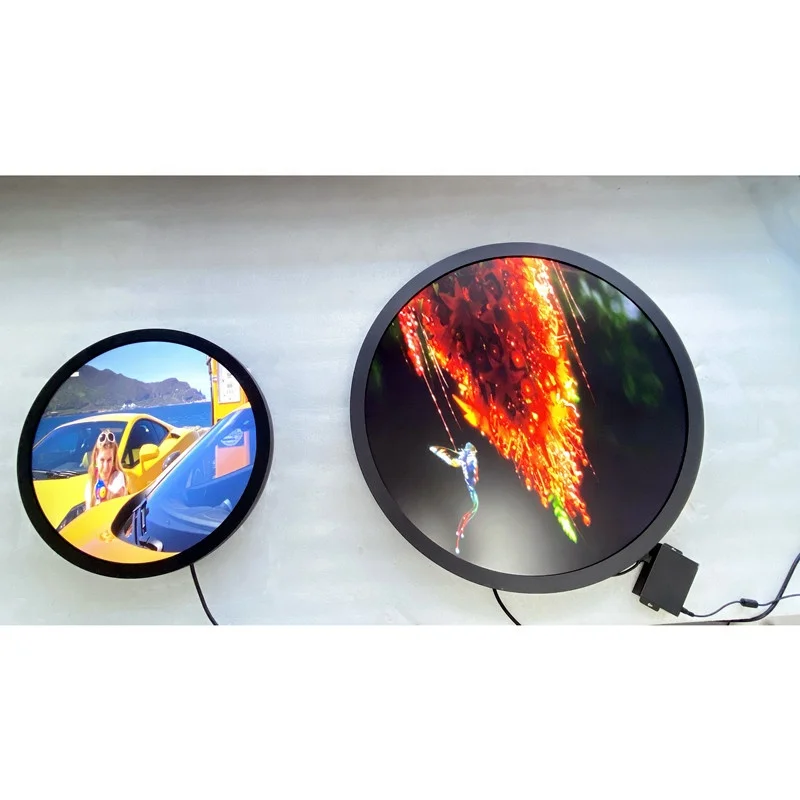
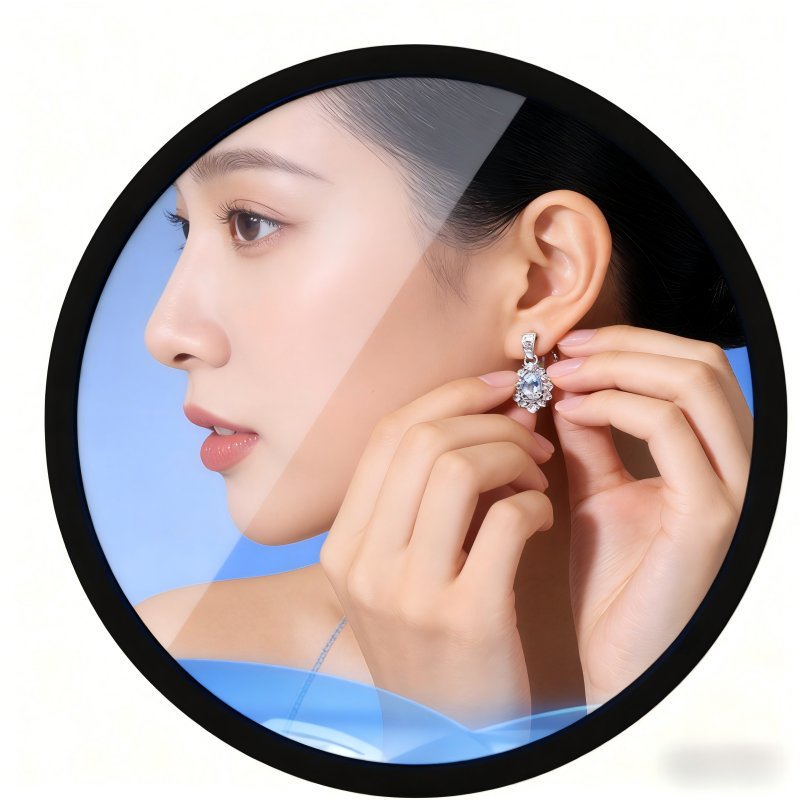
Circular displays revolutionize user interface design by enabling more intuitive and natural interaction patterns that align with human cognitive preferences and physical movements. The round form factor naturally supports radial menu systems, circular navigation patterns, and rotational controls that feel instinctive to users across all age groups and technical skill levels. This enhanced usability stems from the fact that circular motions and radial arrangements mirror natural human movements and visual scanning patterns, reducing the learning curve associated with new interface designs. Touch interactions become more fluid and responsive on circular displays, as users can employ natural swiping gestures that follow the curved perimeter, creating smoother navigation experiences compared to angular interfaces with abrupt corner transitions. The elimination of corners removes visual distractions and dead zones that can confuse users or interrupt smooth interaction flows, resulting in more focused and efficient user experiences. Circular progress indicators, gauge-style data presentations, and clock-like interfaces become more meaningful and easier to interpret when displayed on appropriately shaped screens, improving information comprehension and reducing cognitive load. The symmetrical nature of circular displays ensures that interface elements remain equally accessible regardless of device orientation, providing consistent usability whether the device is rotated or viewed from different angles. This orientation independence is particularly valuable for wearable devices, automotive applications, and handheld instruments where consistent interface behavior is crucial for safety and usability. Gesture recognition systems can leverage the circular geometry to implement sophisticated rotational controls, zoom functions, and navigation shortcuts that would be awkward or impossible on rectangular displays. The psychological impact of circular interfaces creates feelings of completeness and harmony that enhance user satisfaction and engagement with the product. These user experience advantages translate directly into reduced training requirements, lower support costs, and higher customer satisfaction scores, making circular displays valuable investments for companies prioritizing user-centered design approaches.

 EN
EN