Versatile Integration and Applications
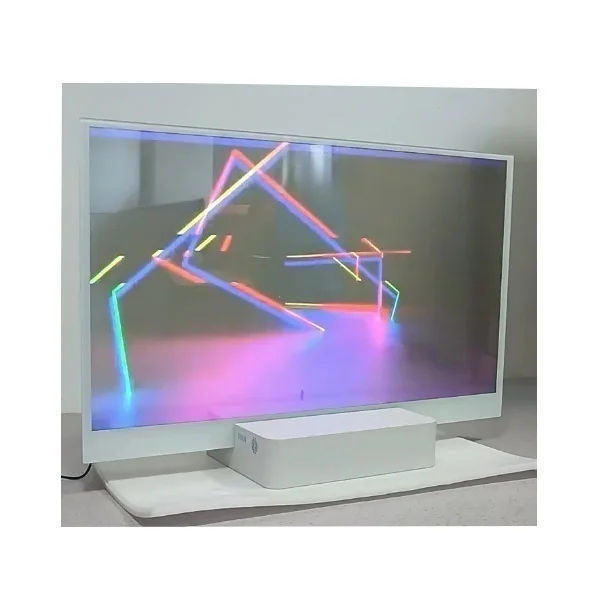
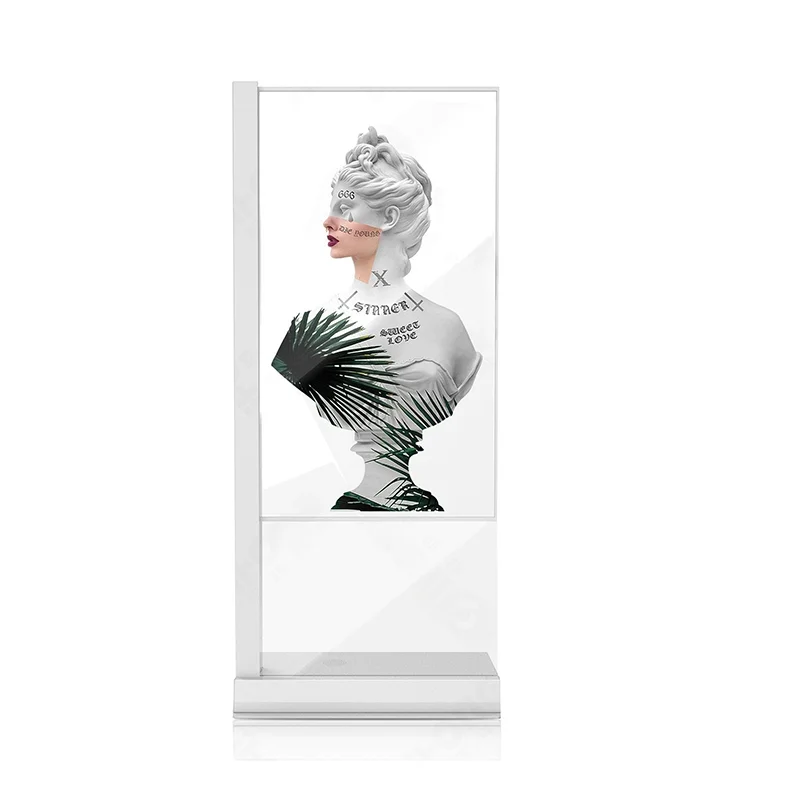
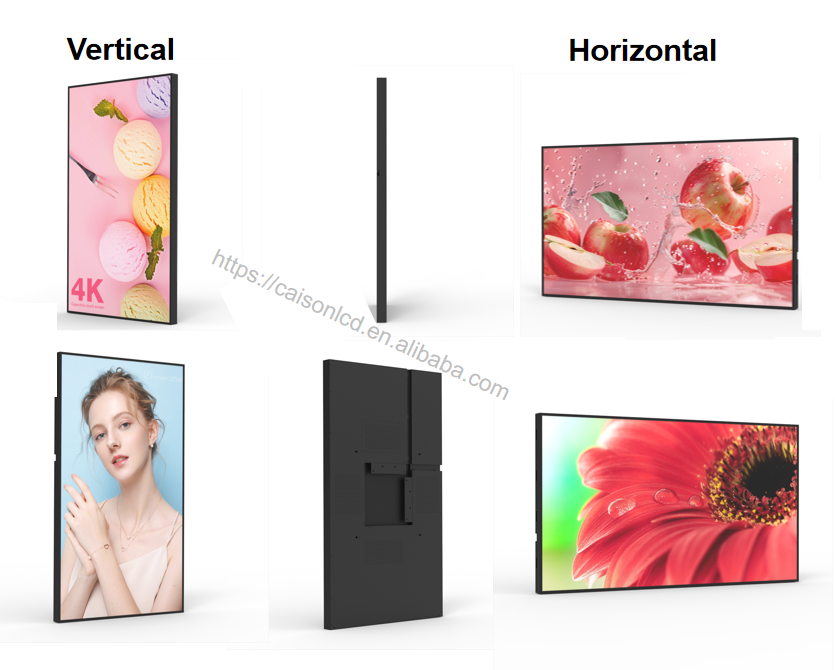
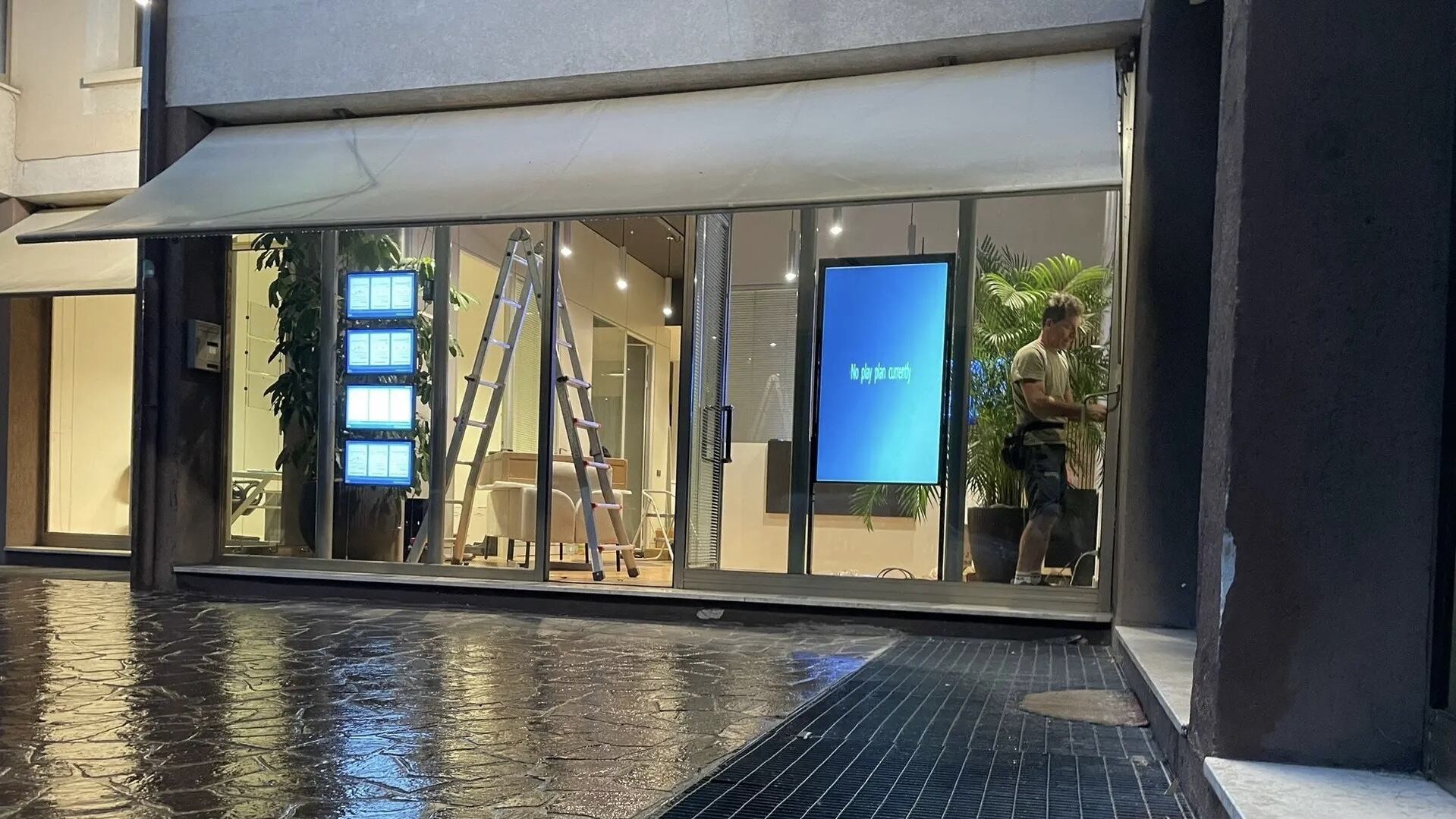
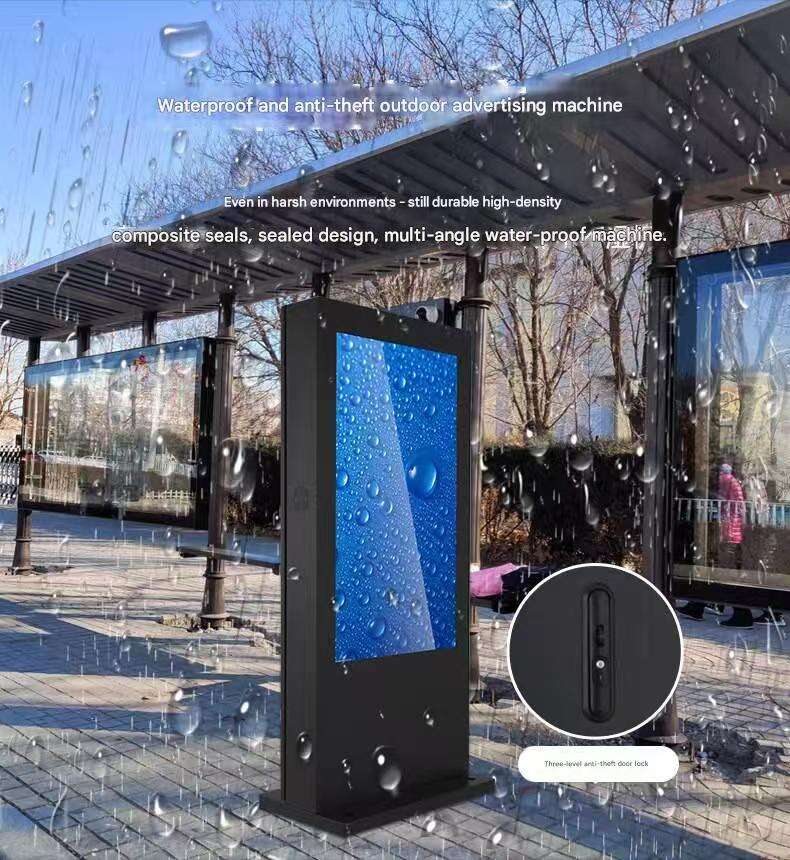
Quality transparent OLED screen technology offers unprecedented versatility in integration possibilities, enabling innovative applications across diverse industries and environments. The ultra-thin form factor, typically measuring less than 5 millimeters in total thickness, allows seamless integration into existing structures without requiring significant modifications or architectural changes. This dimensional advantage makes quality transparent OLED screen installations practical in space-constrained environments where traditional displays would be impractical or impossible to implement. Flexible substrate options enable curved and contoured installations that conform to unique architectural features or design requirements. The lightweight construction, often weighing 80 percent less than equivalent LCD displays, simplifies mounting procedures and reduces structural load requirements significantly. Quality transparent OLED screen technology adapts to various mounting orientations, including vertical, horizontal, and angled installations without performance degradation. Weather-resistant variants support outdoor installations with enhanced durability against environmental factors including temperature fluctuations, humidity, and UV exposure. The modular design approach enables seamless tiling of multiple screens to create large-format displays while maintaining consistent transparency and image quality across seams. Integration capabilities extend to smart building systems through advanced connectivity options including wireless protocols, building management interfaces, and IoT compatibility. Quality transparent OLED screen installations can integrate with lighting control systems, security networks, and environmental monitoring platforms to create comprehensive interactive environments. Touch sensitivity integration adds interactive capabilities without compromising transparency or adding significant thickness to the overall assembly. Multi-touch support enables sophisticated user interfaces for information kiosks, wayfinding systems, and interactive educational displays. The technology supports various content formats and input sources, ensuring compatibility with existing media systems and content creation workflows. Quality transparent OLED screen applications span retail environments for product showcases, transportation hubs for passenger information, healthcare facilities for patient monitoring, and educational institutions for interactive learning experiences. Corporate environments utilize the technology for conference room displays, lobby information systems, and collaborative workspaces where transparency maintains open communication while providing digital information access.

 EN
EN