Transparent OLED Digital Signage: Revolutionary Display Technology for Modern Business Applications

All Categories

transparent oled digital signage

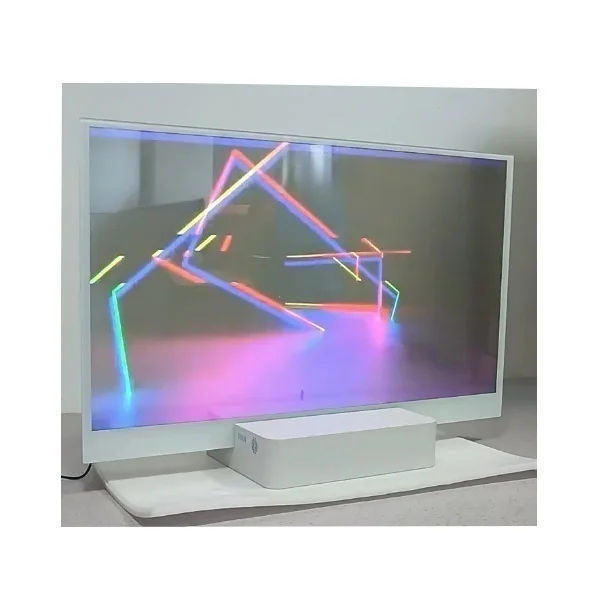
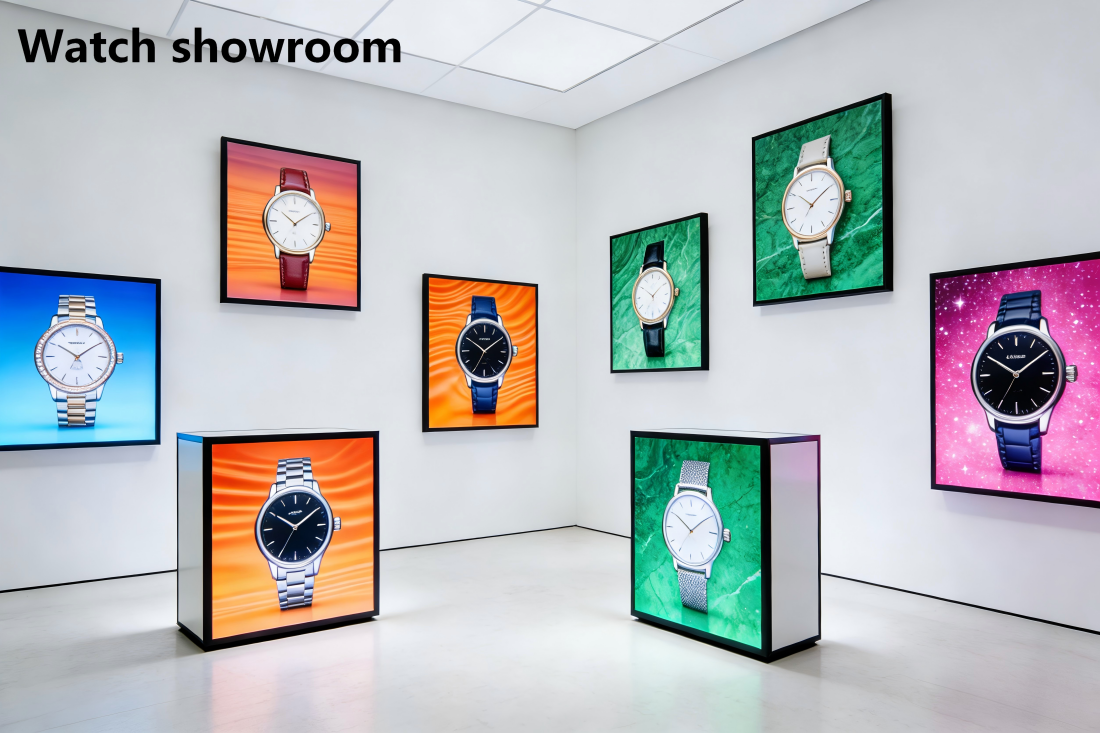
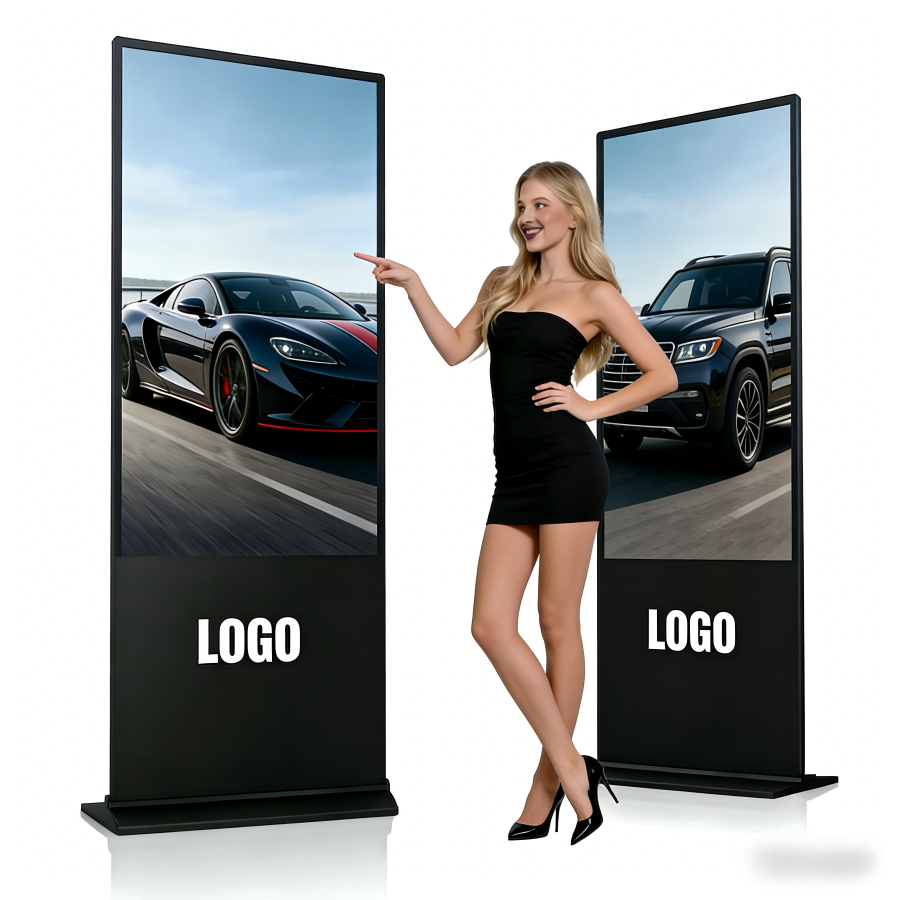
Transparent OLED digital signage represents a revolutionary advancement in display technology, combining the visual appeal of high-definition content with the practical necessity of maintaining visibility through the screen. This innovative display solution utilizes organic light-emitting diode technology within a transparent substrate, allowing viewers to see both digital content and objects positioned behind the screen simultaneously. The main functions of transparent OLED digital signage include dynamic content display, interactive customer engagement, space optimization, and ambient lighting enhancement. These displays can showcase promotional videos, product information, real-time data feeds, and interactive applications while preserving the natural flow of light and vision through retail spaces, corporate environments, and public venues. The technological features that distinguish transparent OLED digital signage from conventional displays include self-illuminating pixels that eliminate the need for backlighting, resulting in superior contrast ratios and energy efficiency. The transparent substrate typically achieves visibility levels ranging from 40% to 85%, depending on the specific model and manufacturing specifications. Advanced touch-sensing capabilities can be integrated into these displays, enabling interactive experiences without compromising transparency. The resolution capabilities of modern transparent OLED digital signage can reach 4K standards, delivering crisp, vibrant imagery that captures attention while maintaining the aesthetic appeal of transparency. Applications for transparent OLED digital signage span numerous industries and environments. Retail establishments utilize these displays in storefront windows to attract customers while showcasing merchandise behind the screen. Museums and galleries implement transparent OLED technology to provide informational overlays on exhibits without obstructing the viewing experience. Corporate offices integrate these displays into conference rooms and lobby areas to display company information while maintaining open, professional environments. Transportation hubs employ transparent OLED digital signage for wayfinding and advertising without blocking natural light or architectural features. The automotive industry incorporates this technology into vehicle displays and showroom presentations, creating immersive experiences that highlight vehicle features while maintaining visibility of the actual products.


New Product Releases

The advantages of transparent OLED digital signage extend far beyond traditional display capabilities, offering businesses and organizations unique benefits that directly impact customer engagement and operational efficiency. These displays eliminate the visual barriers typically associated with conventional signage, allowing natural light to pass through while delivering dynamic content that captures attention without overwhelming the surrounding environment. This transparency advantage proves especially valuable in retail settings where maintaining product visibility remains crucial for sales success. Store owners can display promotional content and product information while customers continue to view merchandise behind the screen, creating layered visual experiences that enhance rather than obstruct the shopping journey. Energy efficiency represents another significant advantage of transparent OLED digital signage compared to traditional LED displays. The self-illuminating pixel technology eliminates the need for power-hungry backlighting systems, reducing overall energy consumption by up to 40% in typical usage scenarios. This reduction in energy requirements translates to lower operational costs and supports sustainability initiatives that many organizations prioritize in their business operations. The improved energy efficiency also generates less heat, reducing the load on air conditioning systems and further contributing to cost savings. Installation flexibility offers practical advantages that simplify deployment and reduce implementation costs. Transparent OLED digital signage can be mounted in windows, integrated into glass partitions, or suspended in open spaces without requiring extensive structural modifications. This installation versatility allows businesses to implement digital signage solutions in locations where traditional displays would be impractical or aesthetically inappropriate. The lightweight construction of these displays compared to conventional signage reduces mounting requirements and associated installation costs. Maintenance advantages include longer lifespan expectations and reduced service requirements. The organic compounds used in OLED technology typically maintain their brightness and color accuracy for extended periods, often exceeding 50,000 hours of operation before requiring replacement. This longevity reduces the total cost of ownership and minimizes disruption from maintenance activities. The absence of mechanical components like fans or backlighting systems further reduces potential failure points and maintenance needs. Brand differentiation becomes achievable through the unique visual impact of transparent OLED digital signage. Businesses that implement this technology often experience increased foot traffic and customer engagement due to the novelty and sophistication of transparent displays. This technology communicates innovation and forward-thinking brand values that resonate with modern consumers who appreciate cutting-edge experiences and sustainable practices.

Latest News

Can High Brightness LCD Displays Be Customized?

17

Oct

Can High Brightness LCD Displays Be Customized?

Understanding High Brightness LCD Technology in Modern Display Solutions The evolution of display technology has brought us to an era where high brightness LCD displays have become essential in various applications, from outdoor digital signage to in...
View More
What Is a Round LCD Display and How Does It Work?

17

Oct

What Is a Round LCD Display and How Does It Work?

Understanding the Revolution of Circular Display Technology The evolution of display technology has taken an exciting turn with the emergence of round LCD displays, breaking free from the traditional rectangular constraints that have dominated screen...
View More
The New Face of Tech: Digital Signage in Modern Applications

18

Nov

The New Face of Tech: Digital Signage in Modern Applications

Transforming Communication Through Interactive Display Technology The landscape of visual communication has undergone a remarkable transformation in recent years, with digital signage emerging as a cornerstone of modern information delivery. From bus...
View More
The Future of Display is See-Through: Transparent OLED

27

Nov

The Future of Display is See-Through: Transparent OLED

The digital signage industry is witnessing a revolutionary transformation with the emergence of transparent OLED technology. These innovative displays are redefining how businesses showcase content while maintaining visual transparency, creating imme...
View More

Get a Free Quote

Our representative will contact you soon.
Email
Name
Company Name
Message
0/1000

transparent oled digital signage

Revolutionary Space Optimization Technology

Revolutionary Space Optimization Technology

The space optimization capabilities of transparent OLED digital signage fundamentally transform how businesses approach interior design and customer experience planning. Unlike traditional displays that create visual barriers and consume valuable real estate, transparent OLED technology integrates seamlessly into existing architectural elements without disrupting spatial flow or natural lighting conditions. This revolutionary approach allows businesses to maximize their available space while delivering impactful digital content that enhances rather than competes with the physical environment. Retail environments benefit tremendously from this space optimization technology, as transparent OLED digital signage can be installed in storefront windows, creating dynamic displays that attract passersby while maintaining full visibility of merchandise displayed behind the screen. This dual-functionality eliminates the traditional choice between digital advertising space and product display area, allowing retailers to achieve both objectives simultaneously. The transparency feature proves particularly valuable in luxury retail settings where maintaining an open, uncluttered aesthetic remains essential for brand positioning and customer comfort. Office environments leverage space optimization benefits by integrating transparent OLED digital signage into glass partitions and conference room dividers. These installations provide information display capabilities without sacrificing the open office concepts that promote collaboration and natural light distribution. Meeting rooms equipped with transparent OLED technology can display scheduling information, company updates, or presentation materials while maintaining visual connectivity between spaces, fostering a more connected and efficient workplace environment. The architectural integration possibilities extend to public spaces where transparent OLED digital signage can be incorporated into building facades, transit stations, and hospitality venues without compromising the intended design aesthetic. This seamless integration capability allows architects and designers to incorporate digital communication elements into their vision from the initial planning stages, rather than treating digital signage as an afterthought that requires compromise. The result is more cohesive, visually appealing environments that serve both functional and aesthetic purposes. Installation flexibility further enhances the space optimization value proposition, as transparent OLED displays can be mounted in orientations and locations that would be impractical for conventional signage. Suspended installations, curved configurations, and integration with existing glass structures all become possible, opening new possibilities for creative spatial design and content delivery strategies.
Superior Visual Performance and Image Quality

Superior Visual Performance and Image Quality

The visual performance capabilities of transparent OLED digital signage set new standards for display quality while maintaining the unique transparency characteristics that define this technology. The self-illuminating pixel architecture eliminates many of the limitations associated with traditional LCD and LED displays, delivering exceptional contrast ratios that can exceed 1,000,000:1 in optimal conditions. This superior contrast performance ensures that displayed content remains vibrant and easily readable even in challenging ambient lighting conditions, making transparent OLED digital signage effective across a wide range of environmental settings. Color accuracy and reproduction represent another area where transparent OLED technology excels, with the ability to display wider color gamuts that more closely match natural color perception. This enhanced color performance proves particularly important for retail applications where product representation must maintain accuracy to prevent customer disappointment and returns. The organic compounds used in OLED technology can produce more saturated colors without the color shifting that often occurs with viewing angle changes in traditional displays. This color stability ensures consistent visual experiences regardless of the viewer's position relative to the screen. Brightness capabilities of modern transparent OLED digital signage have evolved to meet demanding commercial requirements while maintaining energy efficiency advantages. Advanced models can achieve brightness levels exceeding 400 nits, providing sufficient visibility for most indoor applications and many outdoor installations with appropriate environmental controls. The brightness uniformity across the display surface remains exceptional, avoiding the hotspots and edge dimming effects that can plague other display technologies. This uniform illumination ensures professional appearance and readability across the entire screen surface. Response time performance in transparent OLED displays approaches instantaneous levels, with pixel switching times measured in microseconds rather than milliseconds. This rapid response capability enables smooth video playback, seamless transitions between content elements, and responsive interactive applications without motion blur or ghosting effects. The fast response times prove particularly valuable for applications requiring real-time data display or interactive touch functionality where lag could impact user experience. Resolution capabilities continue to advance, with many transparent OLED digital signage solutions now offering 4K resolution in various screen sizes. This high pixel density ensures sharp text readability and detailed image reproduction that maintains professional standards even when viewers are positioned close to the display. The combination of high resolution, superior contrast, accurate colors, and fast response times creates visual experiences that effectively capture and maintain viewer attention while delivering information with clarity and impact.
Advanced Energy Efficiency and Environmental Benefits

Advanced Energy Efficiency and Environmental Benefits

The energy efficiency achievements of transparent OLED digital signage represent a significant advancement in sustainable display technology, offering environmental and economic benefits that align with modern corporate responsibility initiatives and operational cost management objectives. The fundamental difference in power consumption stems from the elimination of backlighting systems required by traditional LCD and LED displays. Each pixel in an OLED display generates its own light, consuming power only when active and producing specific colors. This pixel-level control results in dramatic energy savings, particularly when displaying content with dark backgrounds or areas, as those pixels consume virtually no power while maintaining perfect black levels. Comprehensive energy consumption analysis reveals that transparent OLED digital signage typically consumes 30-50% less power than comparable traditional displays during normal operation cycles. This reduction becomes more pronounced in applications where content includes significant dark areas or when displays operate in dimmed modes during off-peak hours. The energy savings translate directly to reduced operational costs and lower carbon footprint, supporting sustainability goals that many organizations prioritize in their business strategies. The environmental impact extends beyond direct energy consumption to include reduced heat generation, which decreases the burden on air conditioning systems and further contributes to overall energy efficiency. Heat management advantages of transparent OLED technology stem from the efficient conversion of electrical energy to light without the thermal losses associated with backlighting systems. This reduced heat output proves particularly valuable in retail environments where maintaining comfortable temperatures impacts customer experience and employee productivity. The lower heat generation also contributes to extended component lifespan and reduced maintenance requirements, further supporting environmental sustainability through reduced waste and replacement needs. Lifecycle environmental benefits include the use of organic compounds that can be more environmentally compatible than some traditional display technologies. While proper disposal and recycling remain important considerations, the overall environmental impact assessment of transparent OLED digital signage often proves favorable when considering energy consumption throughout the operational lifecycle. The extended operational lifespan of OLED displays, typically exceeding 50,000 hours, reduces replacement frequency and associated environmental impact from manufacturing, transportation, and disposal activities. Smart power management features in advanced transparent OLED digital signage systems enable automated optimization based on ambient lighting conditions, content type, and usage patterns. These intelligent systems can adjust brightness levels, activate power-saving modes during low-traffic periods, and optimize content delivery to maximize energy efficiency without compromising visual impact. Integration with building management systems allows for coordinated energy management that considers broader facility operations and peak demand management strategies, contributing to overall operational efficiency and cost control.

Get a Free Quote

Our representative will contact you soon.
Email
Name
Company Name
Message
0/1000