Advanced Connectivity and Smart Integration Capabilities
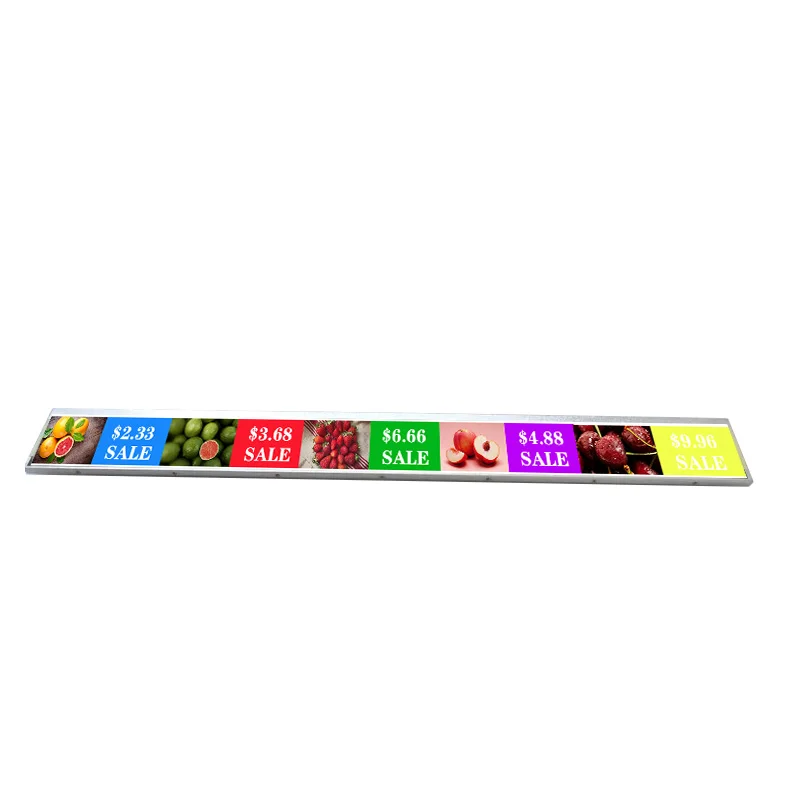
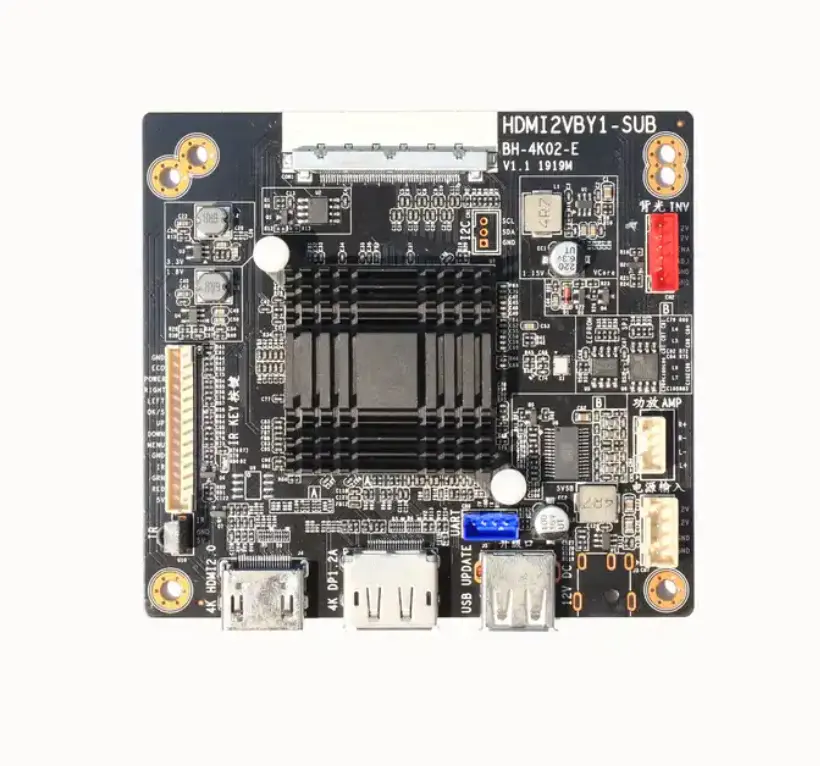
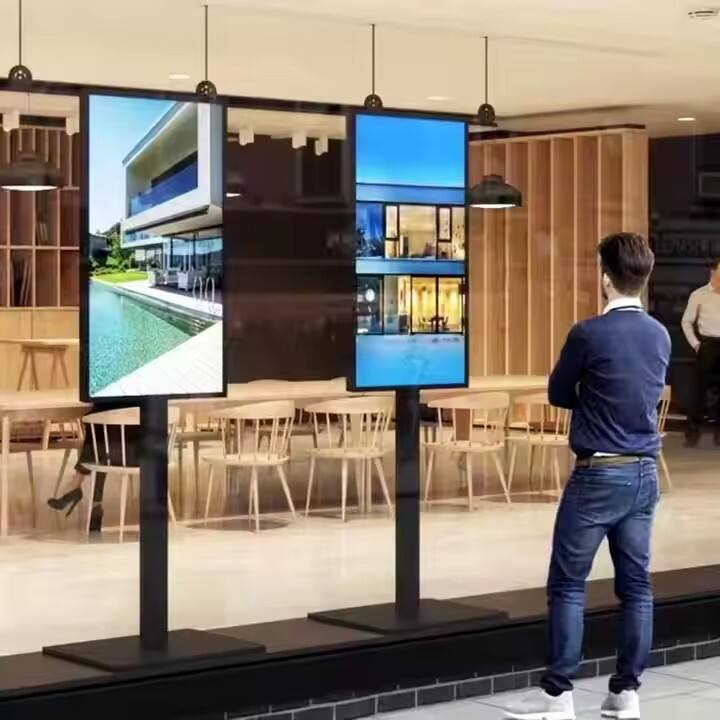
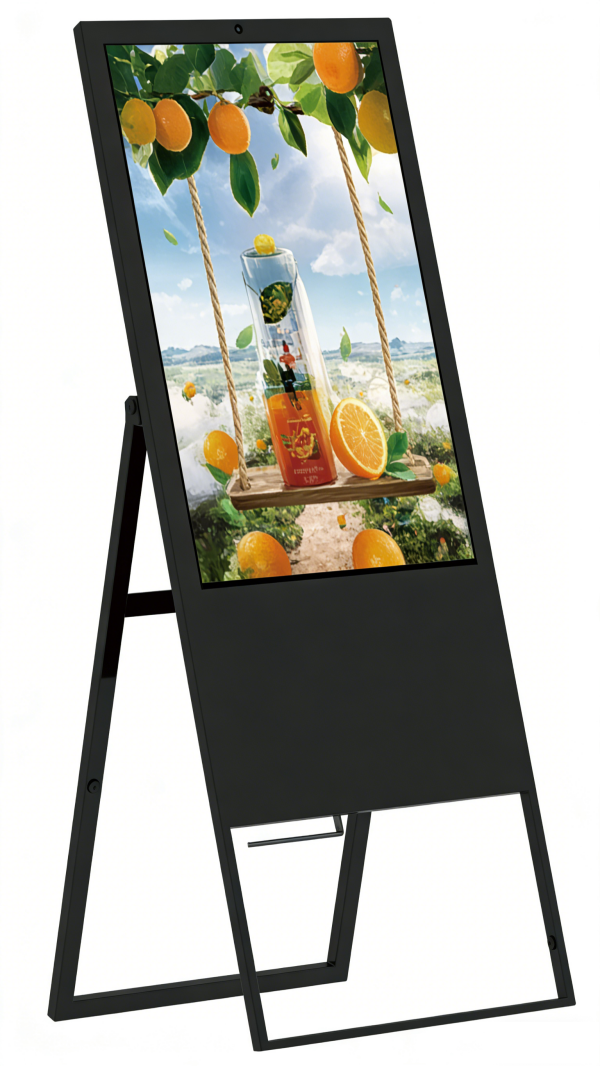
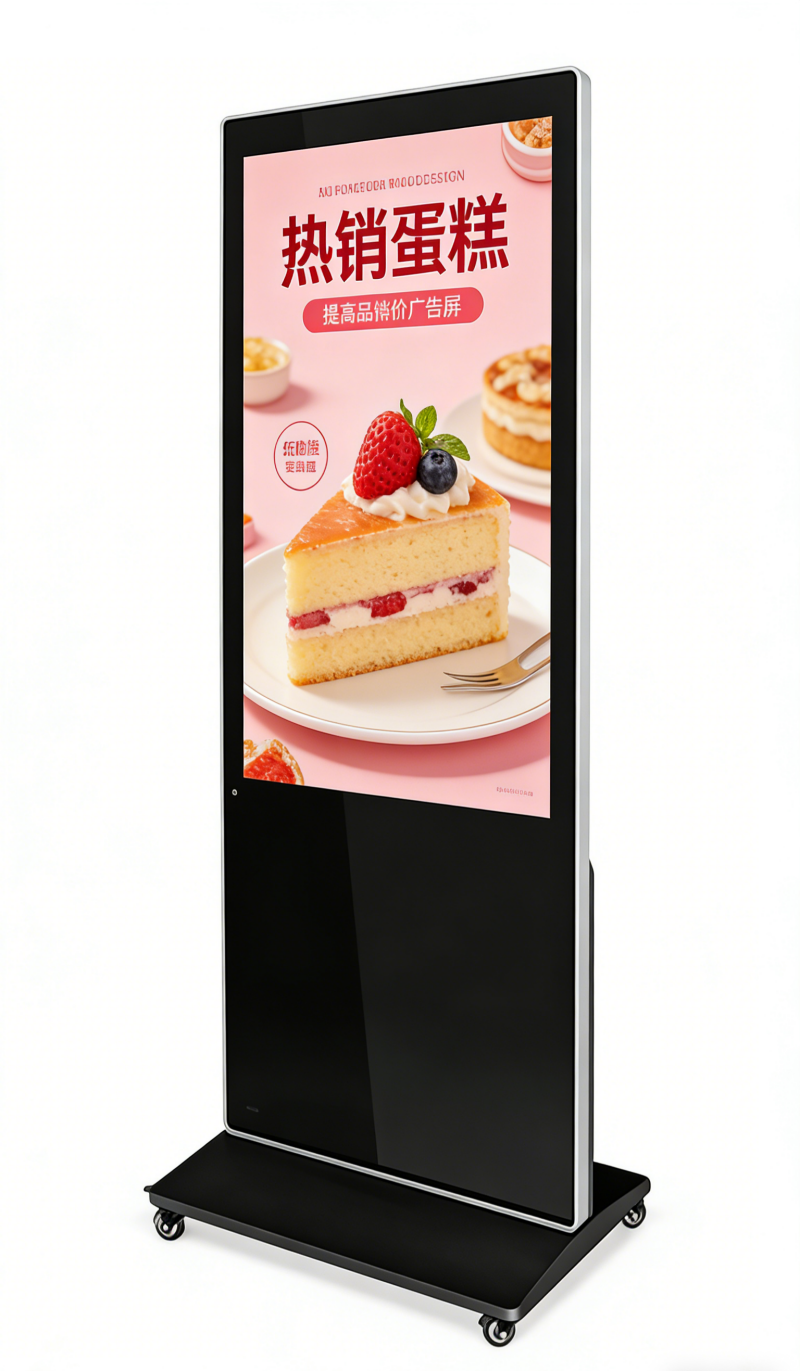
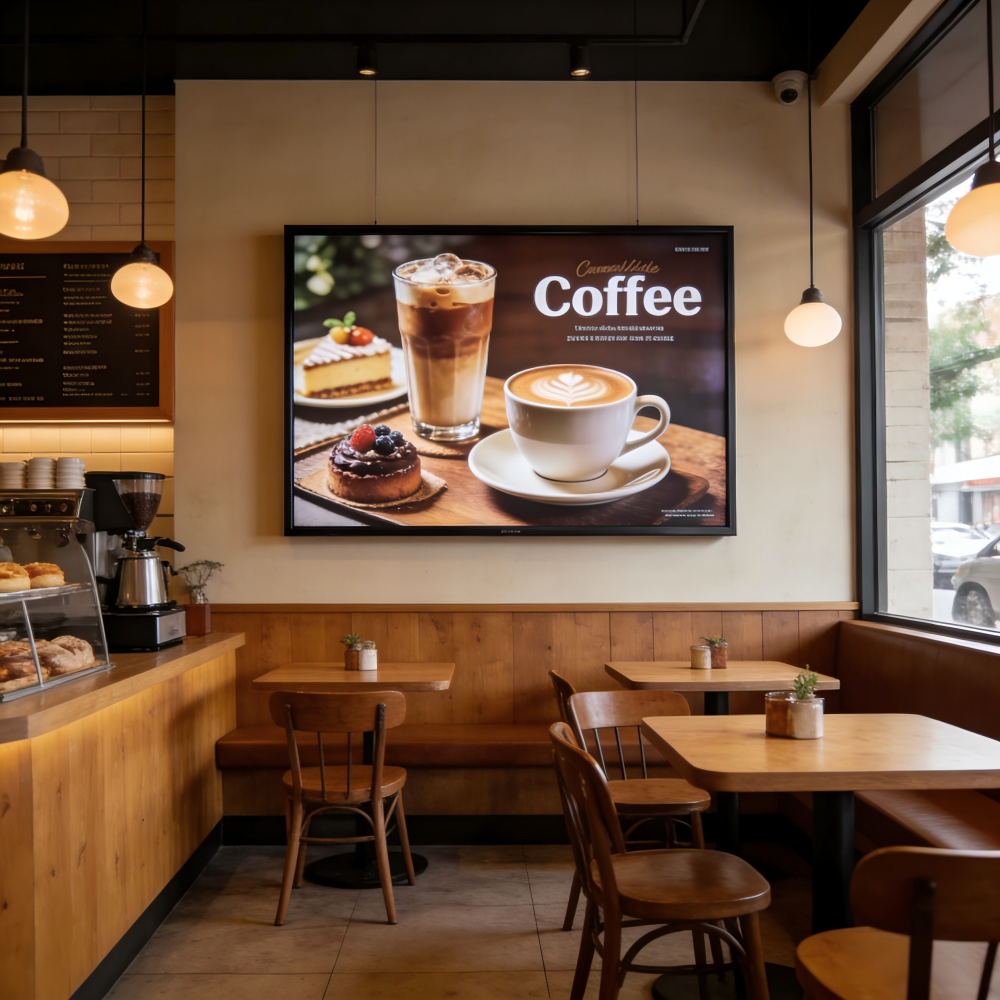
The stretch bar LCD display incorporates comprehensive connectivity solutions that enable seamless integration with existing infrastructure and future-proof technology investments. Modern units feature multiple input interfaces including HDMI 2.0, DisplayPort, USB-C, and wireless connectivity options that support various content sources simultaneously. The stretch bar LCD display typically includes built-in Android or Windows-based operating systems that eliminate the need for external media players, reducing installation complexity and potential failure points. Network connectivity through Ethernet and Wi-Fi enables remote content management, system monitoring, and real-time updates from centralized control centers. Cloud-based content management systems work seamlessly with stretch bar LCD display technology, allowing operators to update multiple displays across different locations instantly. The displays support various content formats including 4K video, high-resolution images, HTML5 applications, and interactive widgets that enhance viewer engagement. Advanced stretch bar LCD display models incorporate IoT capabilities that enable integration with building management systems, allowing automatic brightness adjustment based on ambient lighting conditions and occupancy sensors. API integration capabilities allow custom software applications to communicate directly with the display hardware, enabling dynamic content generation based on real-time data feeds such as weather, traffic, or business metrics. The stretch bar LCD display supports multi-zone content management, allowing different sections of the screen to display independent content streams from various sources. Touch-enabled versions provide interactive capabilities for wayfinding applications, product catalogs, and customer service kiosks. Digital signage software compatibility ensures that stretch bar LCD display units work with popular content management platforms without requiring specialized programming or configuration. USB media playback functionality provides offline content display capabilities, ensuring continued operation even during network outages. The displays feature automatic failover systems that switch between content sources seamlessly, maintaining uninterrupted service delivery.

 EN
EN