Transparent OLED Displays: Revolutionary See-Through Display Technology for Modern Applications

All Categories

transparent oled

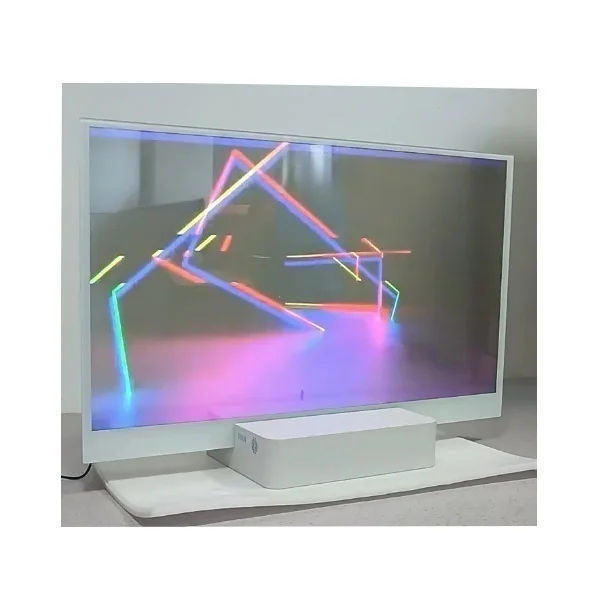
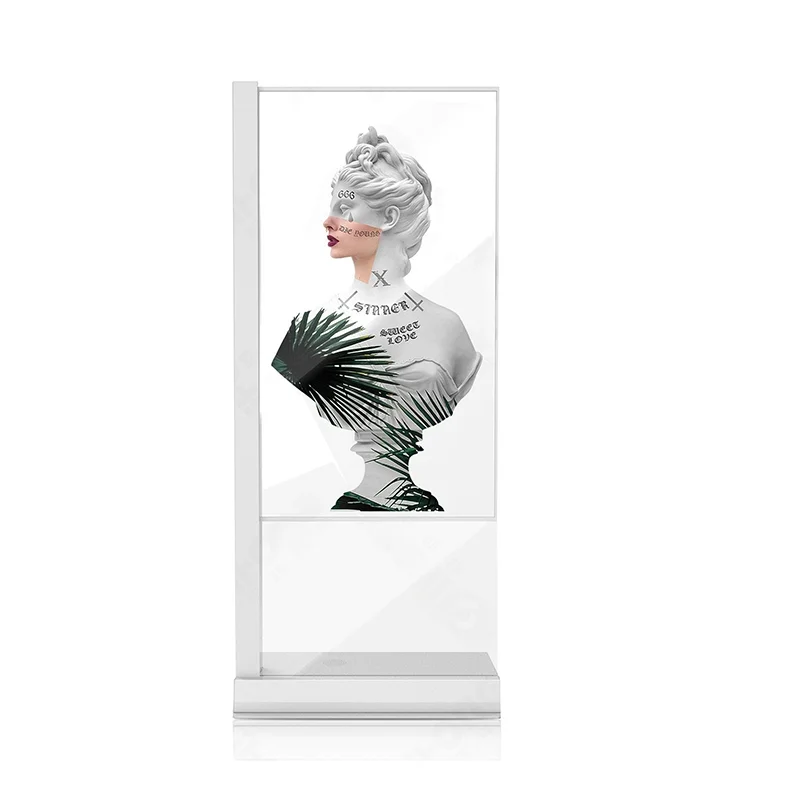
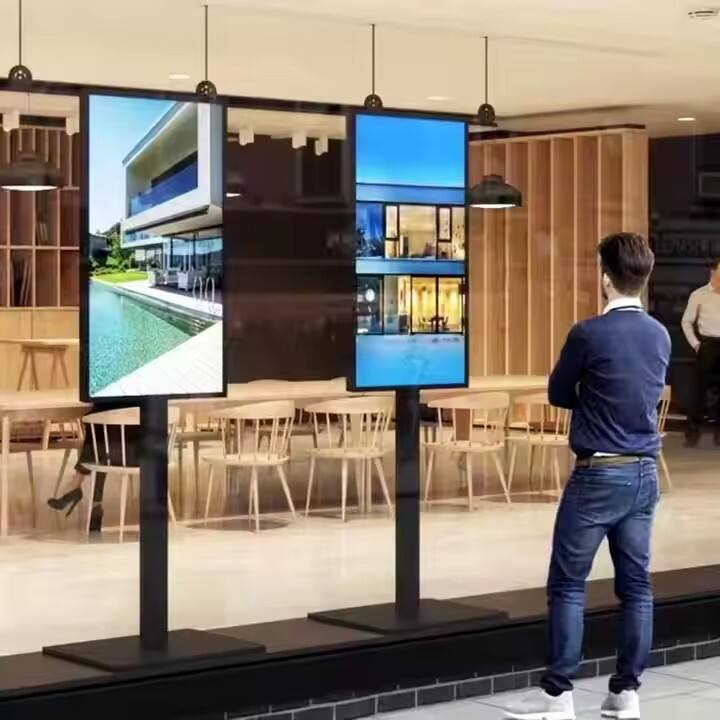
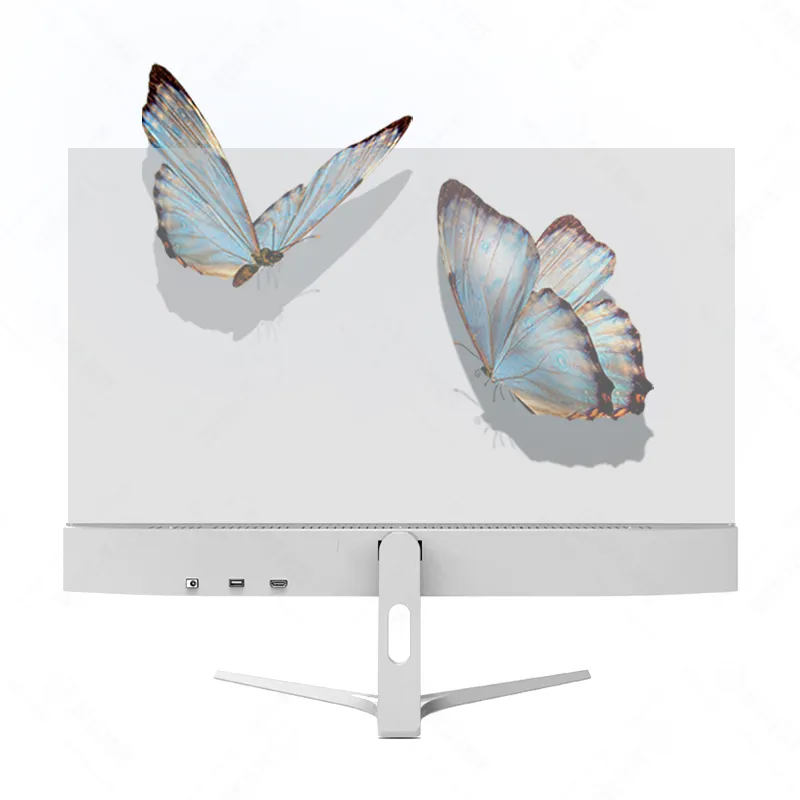
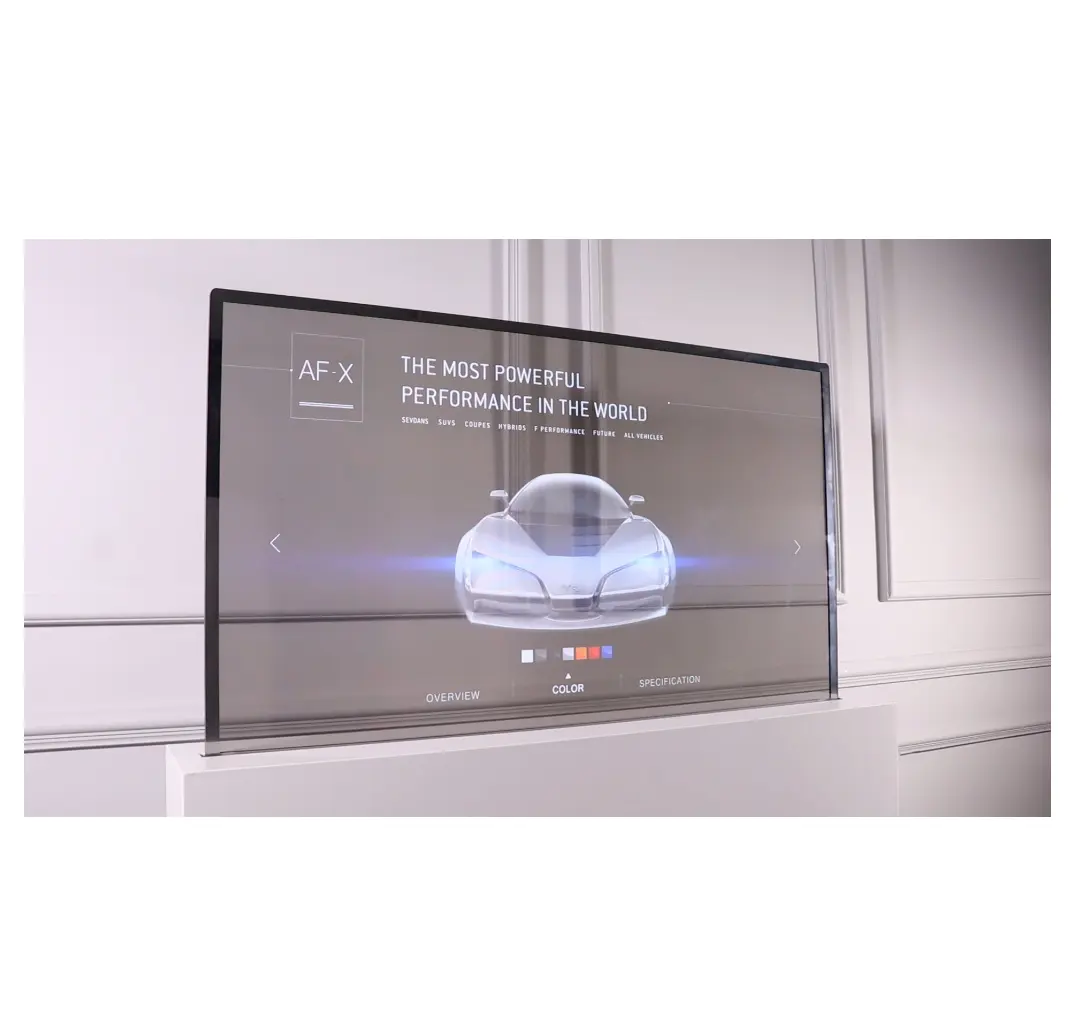
Transparent OLED technology represents a revolutionary advancement in display innovation that combines the stunning visual quality of organic light-emitting diodes with remarkable see-through capabilities. This cutting-edge display solution enables viewers to see through the screen while simultaneously displaying vibrant digital content, creating an immersive viewing experience that seamlessly blends the physical and digital worlds. The transparent OLED operates on the principle of organic compounds that emit light when electrical current passes through them, but unlike traditional displays, these screens maintain their transparency by utilizing specialized transparent electrodes and substrates. The main functions of transparent OLED displays include presenting high-resolution images, videos, and interactive content while maintaining visibility of objects placed behind the screen. These displays offer exceptional contrast ratios, deep blacks, and brilliant colors that appear to float in mid-air, creating a mesmerizing visual effect. The technological features of transparent OLED include ultra-thin profiles, flexible design capabilities, and energy-efficient operation that consumes significantly less power compared to conventional LCD displays. The transparency level typically ranges from 10% to 85%, depending on the specific application requirements and manufacturing specifications. Applications for transparent OLED technology span across numerous industries and environments. Retail environments utilize these displays for sophisticated window advertising, allowing customers to view products while receiving dynamic promotional content. Museums and galleries implement transparent OLED screens to provide interactive information without obstructing artwork or exhibits. Automotive manufacturers integrate this technology into windshields and windows for heads-up displays and navigation systems. Architecture and interior design benefit from transparent OLED installations that serve as both functional displays and aesthetic elements. The hospitality industry employs these screens for digital signage, menu displays, and immersive guest experiences that enhance ambiance while delivering essential information.

New Product Releases

Transparent OLED technology delivers numerous compelling advantages that make it an superior choice for modern display applications across various sectors. The primary benefit lies in its unique dual functionality, where users gain access to both digital content display and maintained visibility through the screen simultaneously. This remarkable capability eliminates the traditional trade-off between screen presence and environmental awareness, creating opportunities for innovative design solutions that were previously impossible. The space-saving design represents another significant advantage, as transparent OLED displays eliminate the need for dedicated wall space or bulky mounting structures. These screens integrate seamlessly into existing windows, glass partitions, or architectural elements, maximizing available space while adding sophisticated digital capabilities. Property owners and designers appreciate this flexibility because it allows them to maintain open, airy environments while incorporating advanced display technology. Energy efficiency stands out as a crucial advantage for cost-conscious businesses and environmentally responsible organizations. Transparent OLED displays consume considerably less power than traditional LCD or LED alternatives, resulting in reduced electricity bills and lower carbon footprints. The organic compounds used in these displays only illuminate specific pixels when needed, unlike backlit displays that continuously consume power across the entire screen surface. Installation flexibility provides tremendous value for diverse applications and environments. Transparent OLED screens adapt to curved surfaces, irregular shapes, and custom configurations that accommodate unique architectural requirements. This versatility enables creative installations that enhance brand presence and customer engagement in ways that rigid traditional displays cannot achieve. The maintenance advantages include longer lifespan, reduced replacement frequency, and minimal servicing requirements compared to conventional display technologies. Superior image quality delivers crisp, vibrant visuals with exceptional contrast ratios and color accuracy that capture attention and convey messages effectively. The floating appearance of content creates memorable visual experiences that increase viewer engagement and message retention. These displays also offer improved viewing angles, ensuring consistent image quality from multiple perspectives, which is particularly valuable in high-traffic areas where viewers approach from different directions. The weather resistance and durability of transparent OLED technology make it suitable for both indoor and protected outdoor applications, expanding installation possibilities for businesses seeking versatile display solutions.

Tips And Tricks

Can High Brightness LCD Displays Be Customized?

17

Oct

Can High Brightness LCD Displays Be Customized?

Understanding High Brightness LCD Technology in Modern Display Solutions The evolution of display technology has brought us to an era where high brightness LCD displays have become essential in various applications, from outdoor digital signage to in...
View More
What Is a Round LCD Display and How Does It Work?

17

Oct

What Is a Round LCD Display and How Does It Work?

Understanding the Revolution of Circular Display Technology The evolution of display technology has taken an exciting turn with the emergence of round LCD displays, breaking free from the traditional rectangular constraints that have dominated screen...
View More
What Is the Difference Between Round and Rectangular LCD Displays?

27

Nov

What Is the Difference Between Round and Rectangular LCD Displays?

Understanding the Evolution of Display Technologies In our increasingly digital world, LCD displays have become an integral part of our daily lives, from the smartwatches on our wrists to the screens that adorn our walls. The technology behind these ...
View More
Transparent OLED Displays: A New Dimension in Visual Communication

27

Nov

Transparent OLED Displays: A New Dimension in Visual Communication

The Evolution of Display Technology: Embracing Transparency The world of visual communication is undergoing a revolutionary transformation with the emergence of transparent OLED displays. These cutting-edge screens represent a remarkable leap forward...
View More

Get a Free Quote

Our representative will contact you soon.
Email
Name
Company Name
Message
0/1000

transparent oled

Revolutionary See-Through Display Technology

Revolutionary See-Through Display Technology

The transparent OLED represents a groundbreaking advancement in display technology that fundamentally transforms how businesses and consumers interact with digital content in physical spaces. This innovative technology allows viewers to simultaneously observe digital information while maintaining clear visibility of the environment beyond the screen, creating an unprecedented level of integration between digital and physical worlds. The transparency feature operates through sophisticated engineering that incorporates transparent electrodes and specially designed organic compounds that emit light without blocking background visibility. This capability ranges from 10% to 85% transparency levels, providing flexibility to match specific application requirements and aesthetic preferences. Retailers leverage this technology to create captivating window displays that showcase products while delivering dynamic advertising content, effectively doubling the functional value of their storefront real estate. Museums utilize transparent OLED displays to provide interactive educational content without obscuring precious artifacts or architectural details, enhancing visitor experiences while preserving the integrity of exhibits. The automotive industry implements this technology in windshields and side windows to deliver navigation information, safety alerts, and entertainment content without compromising driver visibility or passenger safety. Architecture firms specify transparent OLED installations for smart buildings where glass partitions serve dual purposes as room dividers and information displays. The technology enables creation of immersive environments where digital content appears to float in space, generating memorable experiences that increase engagement and brand recall. Corporate offices utilize transparent OLED screens for conference room applications where presentations can be displayed while maintaining visual connection between meeting participants and external environments. The see-through capability also supports privacy applications where screens can switch between transparent and opaque modes, providing dynamic control over space visibility and confidentiality. This revolutionary technology opens new possibilities for creative installations in hospitality, healthcare, and educational environments where traditional displays would create visual barriers or obstruct important sight lines.
Ultra-Efficient Energy Performance

Ultra-Efficient Energy Performance

Transparent OLED technology delivers exceptional energy efficiency that significantly reduces operational costs while supporting environmental sustainability goals for forward-thinking organizations. Unlike traditional LCD displays that require continuous backlighting across the entire screen surface, transparent OLED technology operates on a pixel-level illumination system where individual organic compounds emit light only when activated by electrical current. This fundamental difference results in substantial energy savings, particularly when displaying content with dark backgrounds or partial screen utilization, as inactive pixels consume virtually no power. The energy efficiency advantage becomes even more pronounced in applications where screens operate continuously, such as retail displays, digital signage, and architectural installations. Businesses experience immediate cost reductions in electricity bills, with savings often reaching 40-60% compared to equivalent traditional display technologies. The reduced power consumption also minimizes heat generation, eliminating the need for additional cooling systems and further reducing energy costs and environmental impact. This efficiency advantage extends battery life in portable applications and reduces infrastructure requirements for permanent installations. The environmentally conscious benefits include lower carbon footprint, reduced electronic waste, and decreased demand on electrical grids, supporting corporate sustainability initiatives and green building certifications. The longevity of transparent OLED displays contributes to their efficiency profile, as the technology typically provides 50,000+ hours of operation before experiencing significant degradation, reducing replacement frequency and associated costs. Maintenance requirements remain minimal due to the solid-state nature of organic light-emitting compounds, eliminating moving parts and reducing service interruptions. The instant-on capability eliminates warm-up periods required by other display technologies, enabling responsive operation while avoiding standby power consumption. Smart power management features allow automatic brightness adjustment based on ambient lighting conditions, optimizing visibility while minimizing unnecessary energy usage. The combination of low operational costs, minimal maintenance requirements, and extended lifespan creates compelling total cost of ownership advantages that make transparent OLED technology an intelligent long-term investment for organizations prioritizing both performance and fiscal responsibility.
Seamless Integration and Design Flexibility

Seamless Integration and Design Flexibility

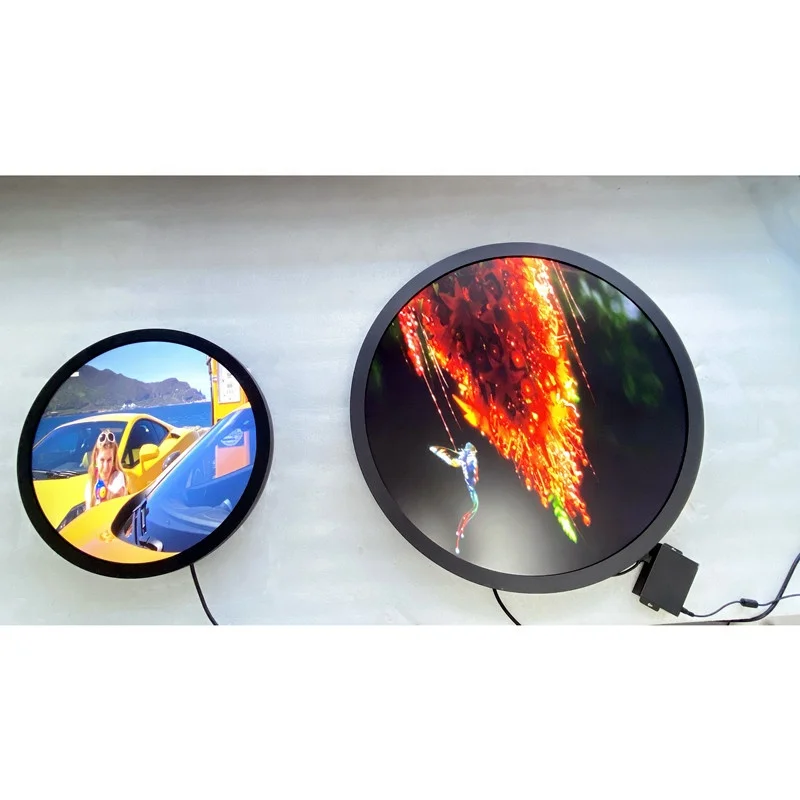
Transparent OLED technology offers unparalleled integration capabilities and design flexibility that enable architects, designers, and business owners to implement sophisticated display solutions without compromising aesthetic vision or functional requirements. The ultra-thin profile of transparent OLED displays, often measuring less than 5mm in thickness, allows seamless integration into glass structures, windows, partitions, and architectural elements without requiring significant structural modifications or visual disruption. This slim form factor enables retrofit installations in existing buildings and facilitates incorporation into new construction projects where maintaining clean, modern aesthetics remains paramount. The flexible substrate capabilities of transparent OLED technology support curved installations, irregular shapes, and custom configurations that accommodate unique architectural requirements and creative design concepts. Designers appreciate the ability to create installations that follow building contours, wrap around columns, or conform to artistic visions that rigid traditional displays cannot achieve. The transparency feature eliminates the visual weight and bulk associated with conventional displays, maintaining open sight lines and preserving the flow of natural light through spaces. This characteristic proves particularly valuable in retail environments where maintaining product visibility remains crucial, and in office settings where preserving connection between indoor and outdoor environments supports employee wellbeing. Installation flexibility extends to mounting options, with transparent OLED displays supporting various mounting systems including suspended installations, integrated frames, and direct glass lamination techniques. The lightweight construction reduces structural load requirements and simplifies installation processes, potentially reducing project costs and timeline. Color customization options enable matching display frames and bezels to existing architectural finishes, ensuring cohesive integration with surrounding design elements. The modular nature of transparent OLED technology supports scalable installations where multiple panels create large-format displays or video walls while maintaining transparency characteristics. Advanced control systems enable synchronized content across multiple displays, creating immersive environments for entertainment venues, corporate lobbies, and public spaces. The weather-resistant properties of quality transparent OLED displays expand installation possibilities to covered outdoor areas, atriums, and transitional spaces where traditional electronic displays might suffer environmental damage. This comprehensive flexibility empowers creative professionals to implement innovative display solutions that enhance spaces rather than dominating them, supporting both functional communication needs and aesthetic excellence.


Get a Free Quote

Our representative will contact you soon.
Email
Name
Company Name
Message
0/1000