
 EN
EN
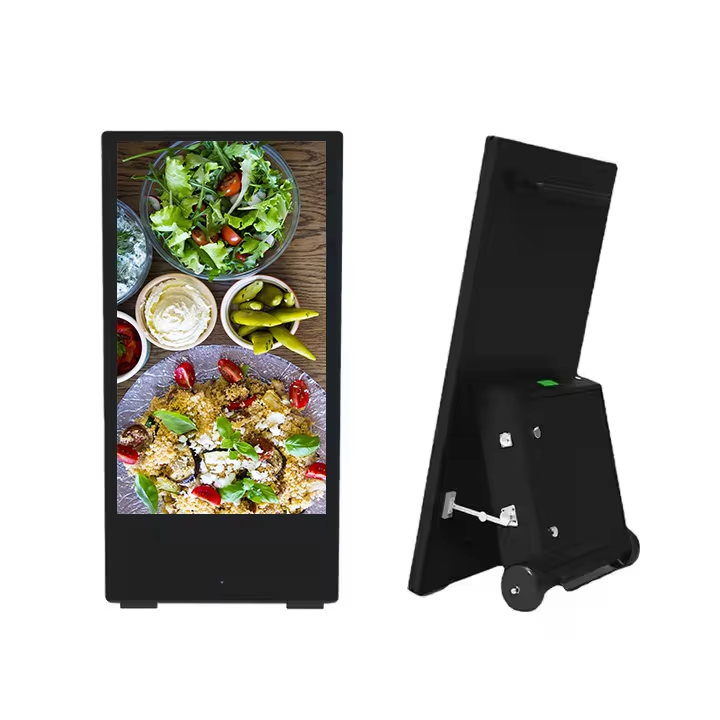
Modern advertising landscapes continue to evolve rapidly, with outdoor digital signage emerging as one of the most effective tools for reaching target audiences in high-traffic locations. This revolutionary technology transforms traditional static billboards into dynamic, eye-catching displays that capture attention and deliver measurable results. Advertisers across various industries are discovering that outdoor digital signage provides unparalleled flexibility, real-time content management, and superior engagement rates compared to conventional advertising methods.
The advertising industry has witnessed significant transformations over the past decade, with digital technologies reshaping how brands connect with consumers. Outdoor digital signage represents a perfect fusion of traditional out-of-home advertising principles with cutting-edge display technology. This innovative approach enables advertisers to deliver targeted messages with unprecedented precision while maintaining the broad reach that makes outdoor advertising so valuable.
Enhanced Visibility and Attention-Grabbing Capabilities
High-Brightness Display Technology
One of the primary advantages of outdoor digital signage lies in its superior visibility under various lighting conditions. Modern displays utilize high-brightness LED technology that ensures content remains clearly visible even in direct sunlight. These displays typically offer brightness levels ranging from 1,500 to 5,000 nits, significantly outperforming traditional indoor displays that usually operate at 300-500 nits. This enhanced brightness capability means that outdoor digital signage maintains optimal visibility throughout the day, maximizing advertisement exposure and ensuring consistent message delivery regardless of environmental conditions.
The advanced display technology also incorporates anti-glare coatings and automatic brightness adjustment features that optimize viewing experiences for pedestrians and motorists. These technological enhancements ensure that advertisements remain legible and impactful from various viewing angles and distances. The superior visibility translates directly into improved advertisement recall rates, as viewers can easily process the displayed information without straining their eyes or experiencing visual discomfort.
Dynamic Movement and Animation Effects
Unlike static billboards that rely solely on eye-catching graphics and text, outdoor digital signage incorporates movement, animation, and video content that naturally draws human attention. Research in visual psychology demonstrates that moving images trigger automatic attention responses in viewers, making them significantly more likely to notice and remember the advertised content. This inherent attention-grabbing capability of outdoor digital signage creates opportunities for advertisers to break through the visual clutter that characterizes modern urban environments.
The ability to incorporate motion graphics, transitions, and video content allows advertisers to tell more compelling brand stories within limited timeframes. Dynamic content can showcase product demonstrations, customer testimonials, or brand narratives that would be impossible to convey through static imagery alone. This enhanced storytelling capability helps create stronger emotional connections between brands and their target audiences, ultimately leading to improved brand recognition and customer engagement rates.
Real-Time Content Management and Flexibility
Instant Content Updates and Scheduling
Outdoor digital signage provides advertisers with unprecedented control over their messaging through sophisticated content management systems. These platforms enable remote content updates, scheduling, and monitoring capabilities that eliminate the time delays and costs associated with traditional billboard changes. Advertisers can modify their campaigns instantly to respond to market conditions, special events, weather changes, or promotional opportunities without requiring physical site visits or production delays.
The scheduling functionality allows for precise timing of different messages throughout the day, enabling advertisers to target specific demographics based on traffic patterns and audience behaviors. For example, breakfast promotions can automatically display during morning commute hours, while entertainment advertisements can appear during evening rush periods. This temporal targeting capability maximizes message relevance and improves campaign effectiveness by ensuring the right content reaches the right audience at optimal times.
Multi-Campaign Management Capabilities
Advanced outdoor digital signage systems support multiple campaign management, allowing different advertisers to share display time through automated rotation schedules. This capability enables smaller businesses to access premium advertising locations that might otherwise be financially prohibitive, while providing display owners with diversified revenue streams. The system can automatically balance exposure time, ensure fair rotation, and maintain campaign performance metrics for each advertiser.
Content management platforms also provide detailed analytics and reporting features that help advertisers optimize their campaigns based on performance data. These insights include display duration metrics, content engagement indicators, and audience measurement data that inform future campaign strategies. The ability to track and analyze campaign performance in real-time enables continuous optimization and improved return on investment for advertising expenditures.
Cost-Effectiveness and Environmental Benefits
Reduced Production and Installation Costs
While the initial investment in outdoor digital signage infrastructure may be higher than traditional billboards, the long-term cost benefits are substantial. Digital displays eliminate recurring printing, installation, and removal costs associated with static advertisements. Advertisers no longer need to produce physical materials for each campaign change, reducing both production expenses and lead times. The ability to update content digitally also eliminates labor costs related to billboard installation and maintenance.
The outdoor digital signage systems typically offer longer operational lifespans compared to traditional advertising materials, which frequently require replacement due to weather damage or wear. Modern displays are engineered to withstand harsh environmental conditions while maintaining consistent performance levels for several years. This durability reduces the total cost of ownership and provides advertisers with more predictable budget planning capabilities.
Environmental Sustainability Advantages
Digital advertising solutions contribute to environmental sustainability by eliminating the need for printed materials, vinyl banners, and other disposable advertising media. Traditional outdoor advertising generates significant waste through regular campaign changes, with old materials often ending up in landfills. Outdoor digital signage eliminates this waste stream while providing superior advertising functionality and flexibility.
Energy-efficient LED technology used in modern outdoor digital signage systems consumes significantly less power than traditional illuminated billboards while providing superior brightness and visibility. Many systems also incorporate solar power options and intelligent power management features that further reduce environmental impact. These sustainability benefits align with corporate social responsibility initiatives and appeal to environmentally conscious consumers who increasingly prefer brands that demonstrate environmental stewardship.

Targeted Advertising and Audience Engagement
Demographic and Geographic Targeting
Outdoor digital signage enables sophisticated audience targeting through integration with demographic analysis tools and location-based data. Advertisers can tailor their messages based on the specific characteristics of audiences frequenting particular locations, times of day, or seasonal patterns. This targeting capability ensures that advertising content resonates with viewers and generates higher engagement rates compared to generic messaging approaches.
Geographic targeting features allow advertisers to customize content based on local preferences, cultural considerations, and regional market conditions. For instance, outdoor digital signage in different neighborhoods can display variations of the same campaign that reflect local demographics, languages, or cultural preferences. This localization capability helps brands build stronger connections with diverse communities while maintaining consistent brand messaging across multiple locations.
Interactive Features and User Engagement
Advanced outdoor digital signage systems can incorporate interactive elements such as touchscreen interfaces, QR codes, and mobile integration features that encourage direct audience participation. These interactive capabilities transform passive advertising experiences into engaging brand interactions that generate valuable customer data and insights. Viewers can access additional product information, participate in promotions, or connect with brands through social media integration directly from the outdoor digital signage display.
The integration of mobile technologies enables outdoor digital signage to serve as a bridge between physical and digital marketing channels. Customers can scan codes or interact with displays to receive personalized offers, download apps, or join loyalty programs. This cross-channel integration creates comprehensive customer journey experiences that extend beyond the initial outdoor advertising encounter and foster ongoing brand relationships.
Measurable Performance and Analytics
Real-Time Performance Monitoring
Unlike traditional outdoor advertising methods that provide limited performance insights, outdoor digital signage systems offer comprehensive analytics and measurement capabilities. Advertisers can track display performance metrics, content engagement levels, and audience interaction data in real-time. These insights enable immediate campaign adjustments and optimization strategies that improve advertising effectiveness throughout the campaign duration.
Performance monitoring systems can measure various metrics including impression counts, dwell times, and interaction rates that provide valuable insights into campaign effectiveness. Advanced analytics platforms can correlate outdoor digital signage performance with other marketing channel activities to provide holistic campaign performance assessments. This data-driven approach enables advertisers to make informed decisions about budget allocation, content optimization, and campaign strategy adjustments.
Return on Investment Calculation
Comprehensive analytics capabilities enable accurate return on investment calculations for outdoor digital signage campaigns. Advertisers can track specific performance indicators such as brand awareness lift, website traffic increases, and conversion rate improvements directly attributable to outdoor advertising exposure. These measurable outcomes provide concrete evidence of campaign effectiveness and justify advertising expenditures to stakeholders.
The ability to measure and optimize outdoor digital signage performance continuously leads to improved campaign efficiency over time. Advertisers can identify high-performing content formats, optimal display times, and effective audience targeting parameters that maximize their advertising investment returns. This iterative optimization process ensures that outdoor digital signage campaigns become increasingly effective and cost-efficient throughout their operational periods.
Weather Resistance and Durability Features
Advanced Environmental Protection
Modern outdoor digital signage incorporates sophisticated environmental protection features that ensure reliable operation under challenging weather conditions. These displays typically feature IP65 or IP66 ratings that provide complete protection against dust ingress and water penetration from rain, snow, or cleaning activities. The robust construction includes sealed housing units, weatherproof connectors, and advanced thermal management systems that maintain optimal operating temperatures in extreme conditions.
Temperature regulation systems in outdoor digital signage prevent performance degradation caused by excessive heat or cold exposure. Internal heating elements maintain functionality during freezing conditions, while advanced cooling systems prevent overheating during hot summer months. These environmental adaptations ensure consistent display performance and extend equipment lifespan regardless of geographic location or seasonal weather variations.
Long-Term Operational Reliability
The engineering design of outdoor digital signage prioritizes long-term reliability through redundant system components and fail-safe mechanisms. Power supply systems include backup capabilities that maintain display operations during electrical fluctuations or temporary power interruptions. Communication systems feature multiple connectivity options that ensure continuous content management capabilities even when primary network connections experience disruptions.
Preventive maintenance features built into outdoor digital signage systems include automated diagnostic capabilities that identify potential issues before they affect display performance. Remote monitoring systems enable proactive maintenance scheduling and rapid response to any operational anomalies. These reliability features minimize downtime and ensure consistent advertising message delivery, protecting advertiser investments and maintaining campaign effectiveness throughout the display's operational lifespan.
FAQ
How long do outdoor digital signage displays typically last?
High-quality outdoor digital signage displays typically operate effectively for 7-10 years with proper maintenance and care. The LED panels used in these systems are rated for approximately 50,000-100,000 hours of operation, which translates to many years of continuous use. Environmental factors such as extreme temperatures, humidity levels, and exposure to direct sunlight can affect longevity, but modern displays are specifically engineered to withstand these conditions while maintaining consistent performance throughout their operational lifespan.
What are the power consumption requirements for outdoor digital signage?
Power consumption for outdoor digital signage varies significantly based on display size, brightness levels, and usage patterns. Typical displays consume between 200-800 watts per square meter, with larger displays requiring proportionally more power. Energy-efficient LED technology and intelligent power management systems help optimize consumption by automatically adjusting brightness based on ambient light conditions and enabling standby modes during non-operational hours. Many installations also incorporate solar power systems to reduce grid electricity dependence and operating costs.
Can outdoor digital signage operate in extreme weather conditions?
Yes, properly designed outdoor digital signage systems are engineered to operate reliably in extreme weather conditions including temperatures ranging from -40°F to 140°F (-40°C to 60°C). These displays feature weatherproof housing with IP65 or IP66 ratings that protect against rain, snow, dust, and wind. Internal climate control systems maintain optimal operating temperatures for electronic components, while anti-glare coatings and automatic brightness adjustment ensure visibility during various lighting conditions including direct sunlight and nighttime operations.
How quickly can content be updated on outdoor digital signage?
Content updates on outdoor digital signage can occur almost instantaneously through cloud-based content management systems. Once new content is uploaded to the management platform, it typically appears on the display within seconds to minutes, depending on file size and network connection speed. This rapid update capability enables real-time campaign adjustments, emergency messaging, and immediate responses to market conditions or special events. Scheduled content changes can be programmed in advance to occur automatically at specific times without requiring manual intervention.