
 EN
EN
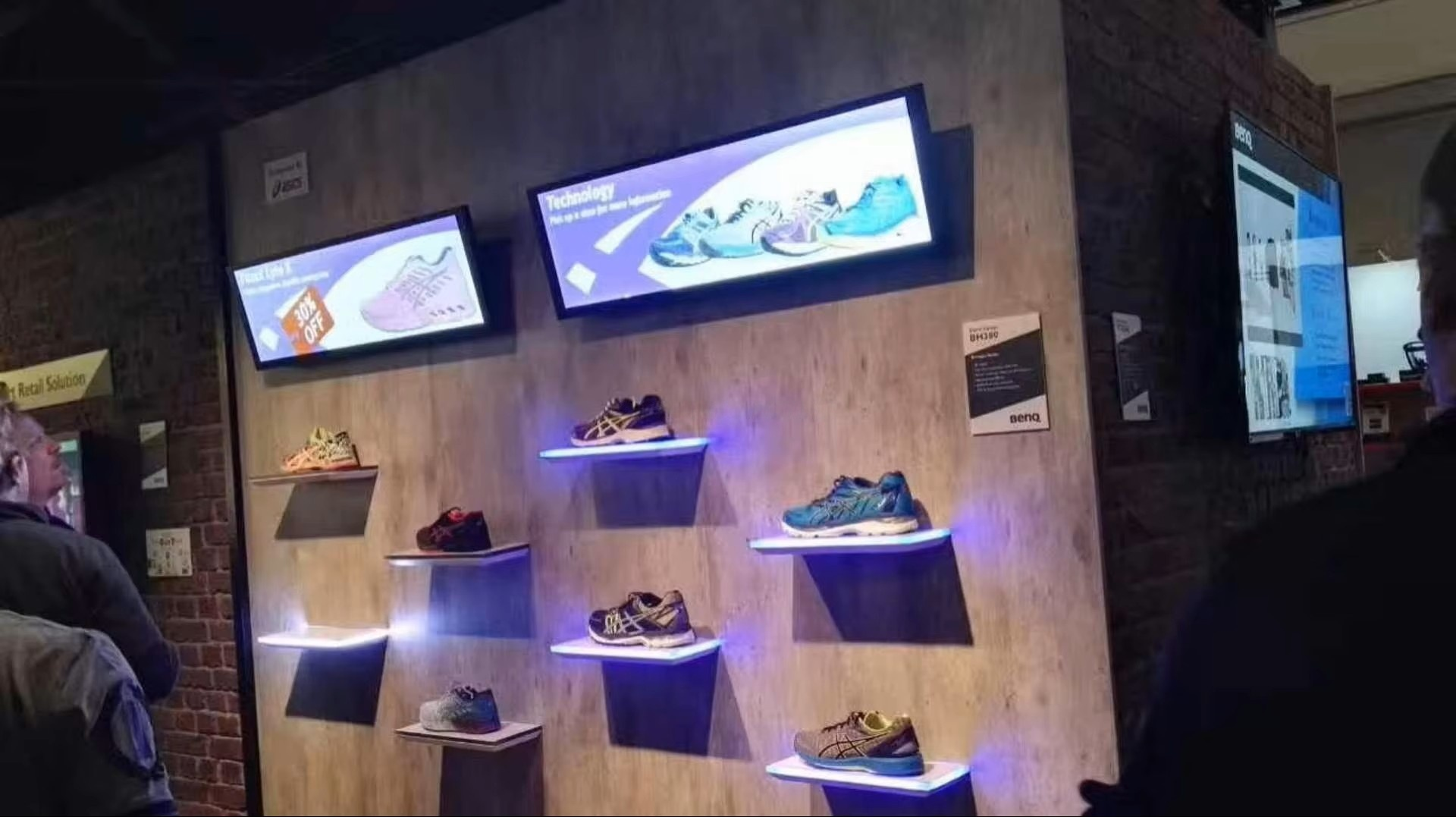
Selecting the right stretched bar LCD for your commercial project is a critical decision that impacts both operational efficiency and customer engagement. A stretched bar LCD offers a unique ultra-wide format that transforms how businesses communicate with audiences in retail environments, transportation hubs, and hospitality settings. Unlike standard rectangular displays, a stretched bar LCD provides an elongated viewing surface that maximizes visual impact in narrow or linear spaces where traditional monitors cannot fit effectively.
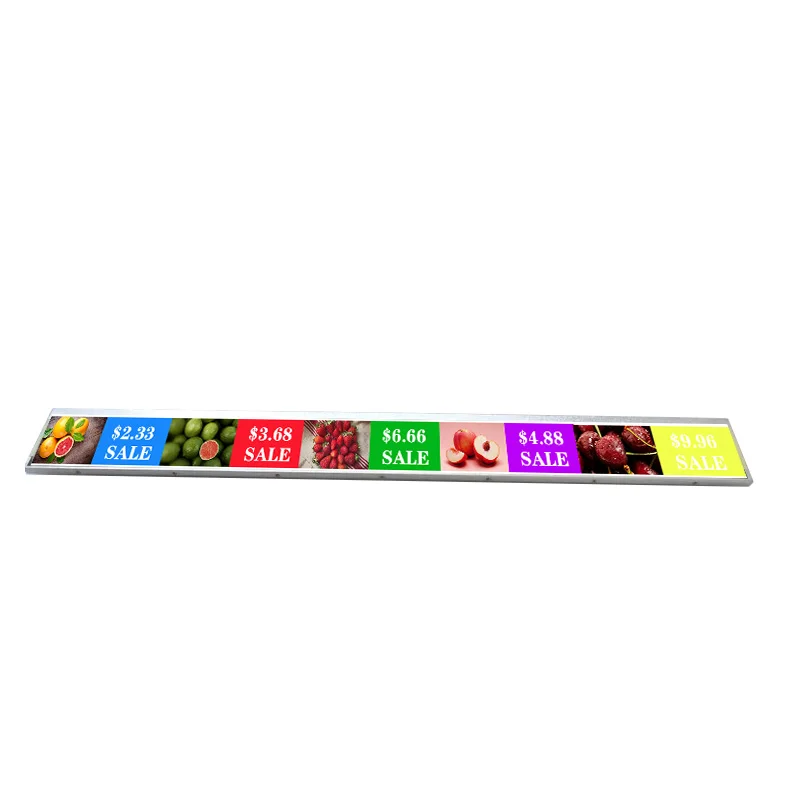
Understanding the technical specifications and practical requirements of a stretched bar lcd ensures you invest in a solution that aligns with your project goals and delivers measurable ROI. The process of choosing a stretched bar lcd involves evaluating multiple factors including resolution, brightness, durability, installation flexibility, and total cost of ownership across the display lifecycle.
Understanding Stretched Bar LCD Specifications and Format
Resolution and Aspect Ratio Considerations
A stretched bar LCD typically features an ultra-wide aspect ratio, commonly ranging from 4:1 to 33:1, depending on the specific model and intended application. This extreme horizontal elongation distinguishes a stretched bar LCD from conventional widescreen displays and creates distinct advantages for storefront signage, shelf-edge marketing, and corridor advertising. Resolution specifications for a stretched bar LCD vary widely, with common options including 1920x480, 1280x248, and 2560x720 pixel configurations that optimize visual content delivery across the extended format.
When evaluating resolution for your stretched bar lcd selection, consider both the physical size of the display and the viewing distance from your target audience. A stretched bar LCD positioned at eye level in a retail environment benefits from higher pixel density to ensure sharp text and crisp imagery. Conversely, a stretched bar LCD installed as overhead signage can operate effectively with lower pixel counts while maintaining excellent visual clarity from greater distances.
Brightness and Viewing Angle Performance
Brightness is a fundamental specification that determines how effectively your stretched bar LCD performs in ambient lighting conditions. A high-brightness stretched bar LCD rated between 500 to 1000 nits ensures visibility in retail environments with significant natural light or competing ambient illumination. The brightness requirement for your stretched bar LCD depends on installation location, with outdoor-facing windows requiring brighter units than interior corridor placements.
Viewing angle performance is equally important when selecting a stretched bar LCD for commercial applications. A stretched bar LCD with wide horizontal viewing angles ensures that customers approaching from multiple directions perceive consistent image quality and color accuracy. Vertical viewing angle considerations for a stretched bar LCD matter less due to the format's horizontal orientation, but IPS-type panels are generally preferred over TN panels for superior color consistency across all viewing angles.
Application-Specific Deployment Strategies
Retail and Point-of-Sale Environments
Retail environments represent the primary deployment scenario for a stretched bar LCD solution. Store shelves, checkout counters, and end-cap displays benefit tremendously from the distinctive format that a stretched bar LCD provides, creating eye-catching advertising space that captures customer attention efficiently. A stretched bar LCD installed on store shelves can highlight promotional offers, display product information, and showcase lifestyle imagery that influences purchasing decisions at critical decision points.
The unique dimensions of a stretched bar LCD make it ideally suited for fitting into narrow horizontal spaces where conventional displays would be impractical or impossible to mount. Retailers leveraging a stretched bar LCD for digital price tags and product promotions report increased engagement and improved shelf visibility compared to static signage. The horizontal storytelling capability of a stretched bar LCD allows brands to communicate multiple messages sequentially or simultaneously, maximizing the communication value of limited retail real estate.
Transportation and Hospitality Applications
Transportation hubs including airports, train stations, and bus terminals increasingly deploy a stretched bar LCD for wayfinding, departure information, and passenger communication. The extended format of a stretched bar LCD enables transportation authorities to display schedule information, routing maps, and targeted advertising in the narrow overhead or corridor spaces typical of transit environments. A stretched bar LCD in these settings must deliver exceptional reliability and continuous uptime, as service interruptions directly impact passenger experience and operational efficiency.
Hospitality venues including hotels, restaurants, and entertainment venues leverage a stretched bar LCD to enhance guest experiences through ambient messaging and directional signage. A stretched bar LCD installed above elevators, in corridors, or behind reception desks communicates promotional offers, event schedules, and brand messaging in a format that naturally draws the eye. The sophisticated aesthetic of a stretched bar LCD installation contributes to premium venue ambiance while delivering measurable marketing communication benefits.
Technical Specifications and Durability Factors
Panel Technology and Environmental Resilience
Selecting the right panel technology for your stretched bar LCD project determines both performance longevity and total lifecycle cost. An LCD panel type for a stretched bar LCD should feature robust construction capable of withstanding 24/7 continuous operation in commercial environments. High-quality LED backlighting in a stretched bar LCD offers extended lifespan compared to older CCFL technology, reducing maintenance frequency and replacement costs over typical five to seven year deployment cycles.
Environmental factors including temperature fluctuations, humidity exposure, and dust accumulation demand that your stretched bar LCD selection includes appropriate protective features. Commercial-grade a stretched bar LCD should include sealed panel construction, reinforced housing, and thermal management systems that maintain optimal operating conditions regardless of ambient environment. A stretched bar LCD deployed in outdoor-facing retail windows requires additional weatherproofing and UV-resistant coatings to prevent image degradation and panel discoloration over time.
Connectivity and Content Management Integration
Modern a stretched bar LCD solution must integrate seamlessly with content management systems and digital signage networks. Your stretched bar LCD selection should support standard connectivity protocols including HDMI, DisplayPort, and USB connectivity for flexible integration with control systems. Advanced a stretched bar LCD options include built-in media players, scheduling capabilities, and remote management functionality that streamline deployment and reduce ongoing operational overhead.
The software ecosystem supporting your stretched bar LCD investment determines how effectively you can schedule content, monitor device health, and respond to changing business requirements. Cloud-connected a stretched bar LCD solutions enable centralized management of multiple displays across distributed retail locations, reducing IT complexity and improving consistency. A stretched bar LCD with programmable scheduling can automatically adjust content based on time of day, day of week, or triggered events, maximizing relevance and engagement throughout operational cycles.
FAQ
What is the typical lifespan of a stretched bar lcd in continuous operation?
A quality stretched bar LCD designed for commercial deployment typically operates reliably for 50,000 to 60,000 hours in continuous 24/7 environments, translating to approximately five to seven years of service life. Factors affecting stretched bar lcd longevity include ambient temperature, humidity levels, power stability, and content characteristics. Warmer operating temperatures and high-contrast content patterns may reduce stretched bar lcd lifespan, while controlled environmental conditions and professional installation extend functional service periods significantly.
Can a stretched bar lcd be used for outdoor applications?
Yes, specialized outdoor-rated stretched bar LCD models are available, though they command premium pricing and require additional protective engineering. An outdoor stretched bar lcd must feature enhanced brightness ratings of 1500 to 2500 nits, sealed panel construction, temperature regulation systems, and UV-resistant materials to withstand direct sunlight and weather exposure. Outdoor stretched bar lcd installations typically require weatherproof mounting hardware, sealed cable management, and regular maintenance protocols to ensure extended operational reliability in harsh environmental conditions.
What content formats work best for a stretched bar lcd display?
Content optimized for a stretched bar LCD should leverage the elongated aspect ratio through horizontal composition and sequential messaging designs. The stretched bar LCD format naturally accommodates product showcase imagery, promotional graphics with centered text, scrolling information feeds, and animated sequences that flow horizontally. Video content for a stretched bar LCD should be formatted to match the native aspect ratio to avoid letterboxing or image distortion, with 21:9 and 32:9 aspect ratio templates providing optimal visual presentation.