 EN

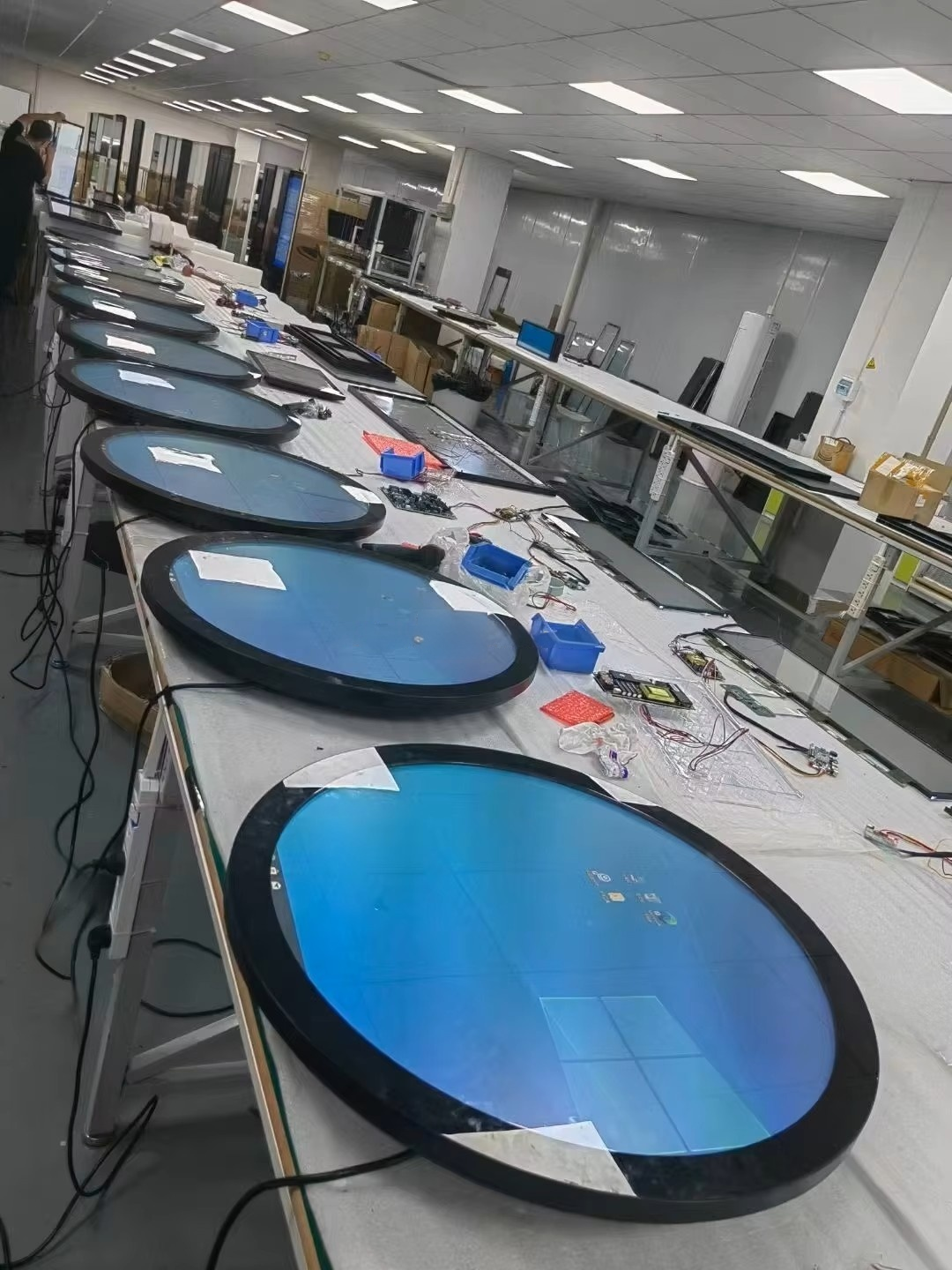
Sourcing a circular display is a project decision, not simply a matter of choosing a round panel. Buyers need to confirm that the shape supports the intended message, that the screen fits the installation, and that the electronics and content can work together. A circular display can create a distinctive focal point, but its value depends on matching the specification to the actual operating environment.
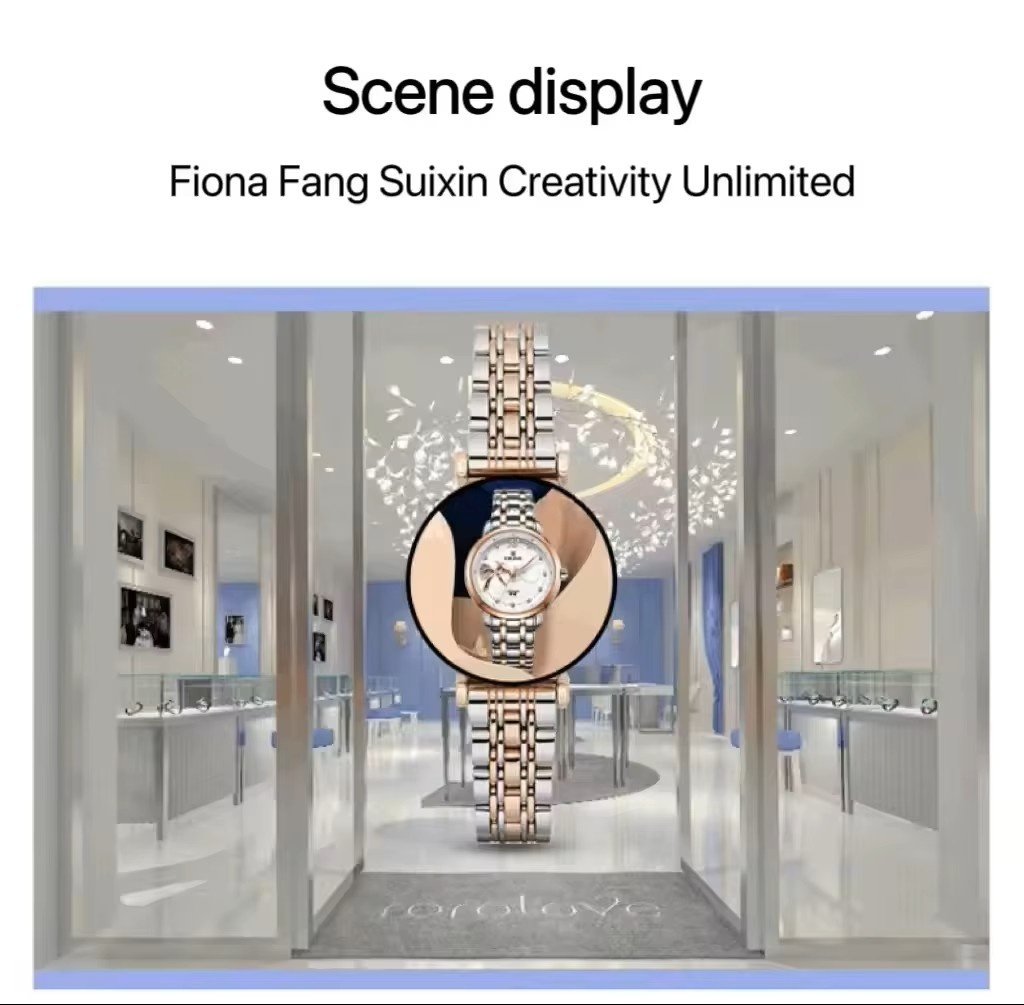
Start by defining what the screen must communicate and where people will see it. A circular display may suit a product feature, wayfinding cue, menu highlight, or branded installation, but each use places different demands on size, brightness, mounting, and content. Buyers who set these requirements before requesting quotes can compare proposals on practical fit rather than appearance alone.
Define the application before the specification
Match the shape to the message
The first consideration is whether a circular display improves communication. Round content areas work well when information can be organized radially, such as a dial, emblem, product image, or short promotional message. They are less suitable for dense text, wide data dashboards, or layouts that rely on long horizontal lines. A circular display should serve a clear visual purpose rather than being selected only because the shape looks unusual.
Map the content to the available active area before confirming a model. Ask the design team to test real artwork at the intended resolution, including logos, labels, and small interface elements. This exercise shows whether a circular display leaves enough room for legible information and whether important details sit near the curved edge. It can also reveal when a simplified message or custom layout is necessary.
Confirm viewing distance and environment
Viewing distance helps determine the required diameter, resolution, and text size. A circular display viewed across a busy retail floor needs a different visual hierarchy from one installed inside a kiosk or near a counter. Consider ambient light, glare, viewing angles, and the time people typically spend looking at the screen. These conditions influence whether the content will be recognizable at a glance.
Describe the installation environment precisely when asking for specifications. An indoor circular display in a controlled space may not need the same brightness or protection as a screen near a sunlit entrance. Check expected operating hours, ventilation, temperature exposure, and cleaning practices as well. Matching the display to actual conditions helps avoid paying for unsuitable features or overlooking environmental risks.
Verify technical and integration requirements
Check panel, resolution, and brightness details
A product listing should be treated as a starting point for technical verification. For each circular display under consideration, confirm the active viewing diameter, pixel resolution, interface, brightness, viewing angle, and operating limits in a current specification. Also distinguish the visible panel area from the overall outline, since bezels and mounting structures can affect the usable opening.
Ask how the stated resolution translates to the circular display’s planned content. A square pixel grid inside a round outline may leave corner areas unused, so the effective composition area can differ from the nominal panel dimensions. Confirm the orientation and signal format, then test a representative image or video. This makes it easier to identify scaling, cropping, or compatibility issues before purchasing.
Plan electronics, software, and mounting together
The panel is only one part of a functioning circular display system. Verify the controller, video input, power requirements, cable routing, and any media player or content management software. Confirm that the chosen electronics support the intended resolution and orientation, and establish who will configure the playback settings. Integration gaps can delay installation even when the display itself meets the brief.
Mechanical fit deserves the same attention as the signal path. Obtain the outline drawing, mounting points, thickness, connector locations, and clearance requirements for the circular display. Check how the assembly will be accessed for service and how heat will leave the enclosure. If a custom bezel or housing is required, review its tolerances with the installer before finalizing the order.
Reduce sourcing risk and plan ownership
Clarify samples, documentation, and supply terms
Before committing, ask what evidence is available to verify the proposed circular display. Depending on the project, that may include a sample, a specification sheet, mechanical drawings, interface details, or test images. Establish which revision applies to the quoted item and whether any substitutions require approval. Clear documentation helps procurement, engineering, and installation teams work from the same expectations.
Discuss lead time, order quantities, packaging, and the process for handling defects or specification changes. These details matter when a circular display is part of a larger rollout with fixed installation dates. Confirm what is included in the quoted scope, such as controllers or cables, and identify any buyer-provided components. A written record reduces ambiguity when the project moves from evaluation to delivery.
Evaluate serviceability and total project fit
A purchase decision should account for ownership after installation. Ask how the circular display can be inspected, cleaned, and replaced, and whether the mounting design allows access without dismantling nearby equipment. Check the availability of technical documentation and define who will support troubleshooting. Even a visually effective installation can become difficult to maintain if service access was not considered early.
Assess the complete project cost rather than comparing panel prices in isolation. Enclosure fabrication, control hardware, content adaptation, installation labor, and future replacement planning can all affect the budget. A circular display is a stronger fit when its distinctive format justifies those surrounding requirements for the intended application. Record the decision criteria so stakeholders can weigh visual impact against integration effort and lifecycle needs.
FAQ
What information should buyers provide when requesting a quote?
Share the intended application, installation location, viewing distance, required quantity, timeline, and content type. For a circular display, include the target diameter, resolution needs, brightness conditions, interface, mounting constraints, and operating environment if known. Drawings or representative artwork help clarify the request, while open questions should be identified rather than assumed.
Can a circular display show standard video content?
Often it can, provided the controller and playback system support the panel’s format and resolution. The content may need masking, cropping, or redesign so important material fits the circular display area. Test actual assets on the intended configuration to check scaling and readability before approving a production setup.
How can buyers reduce integration problems?
Confirm mechanical drawings, electrical requirements, signal compatibility, and software behavior before ordering. Assign responsibility for enclosure design, content setup, and commissioning, and verify these details with the circular display documentation. A sample or early functional test can expose fit and playback issues while there is still time to adjust the plan.