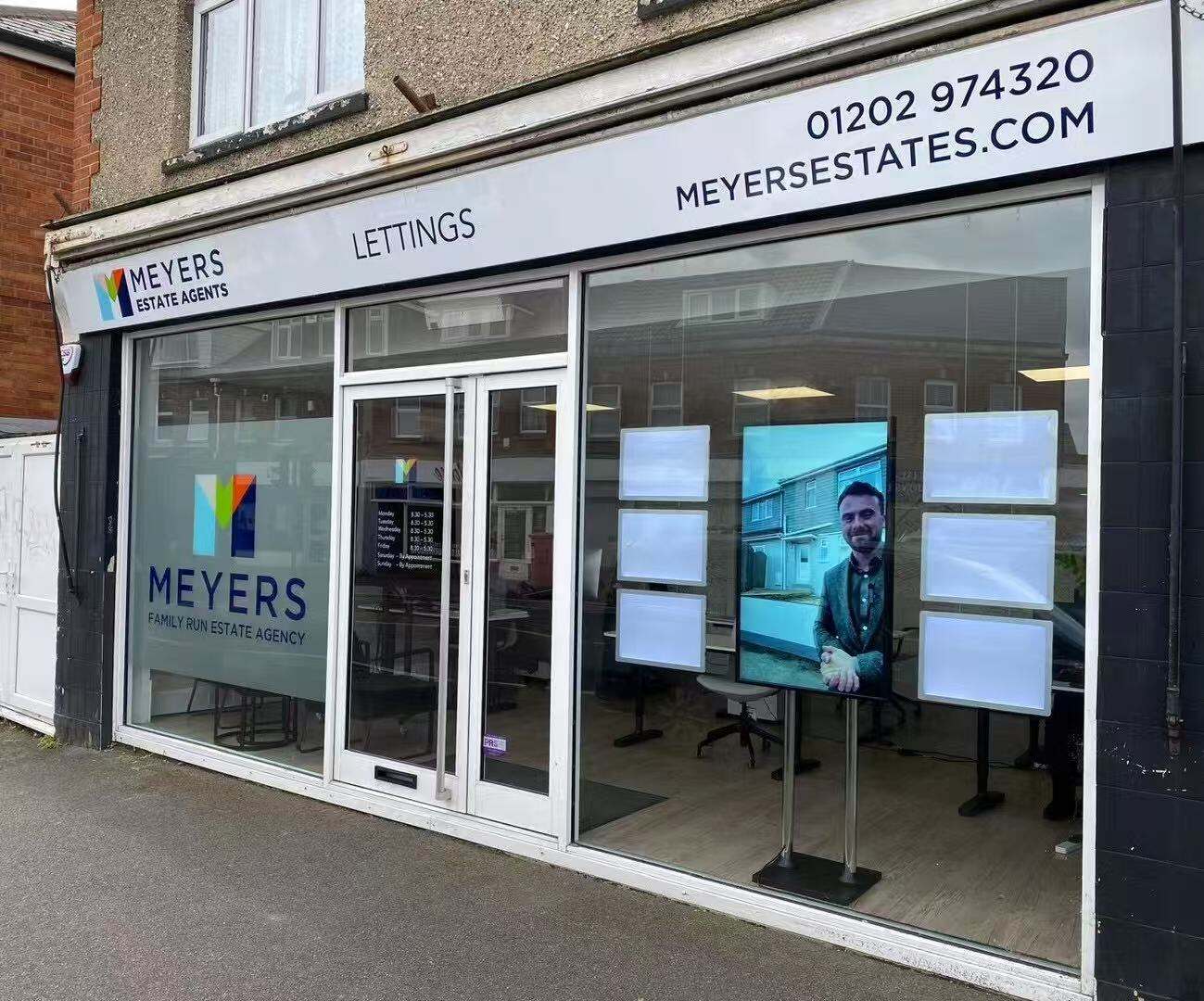
shop window advertising
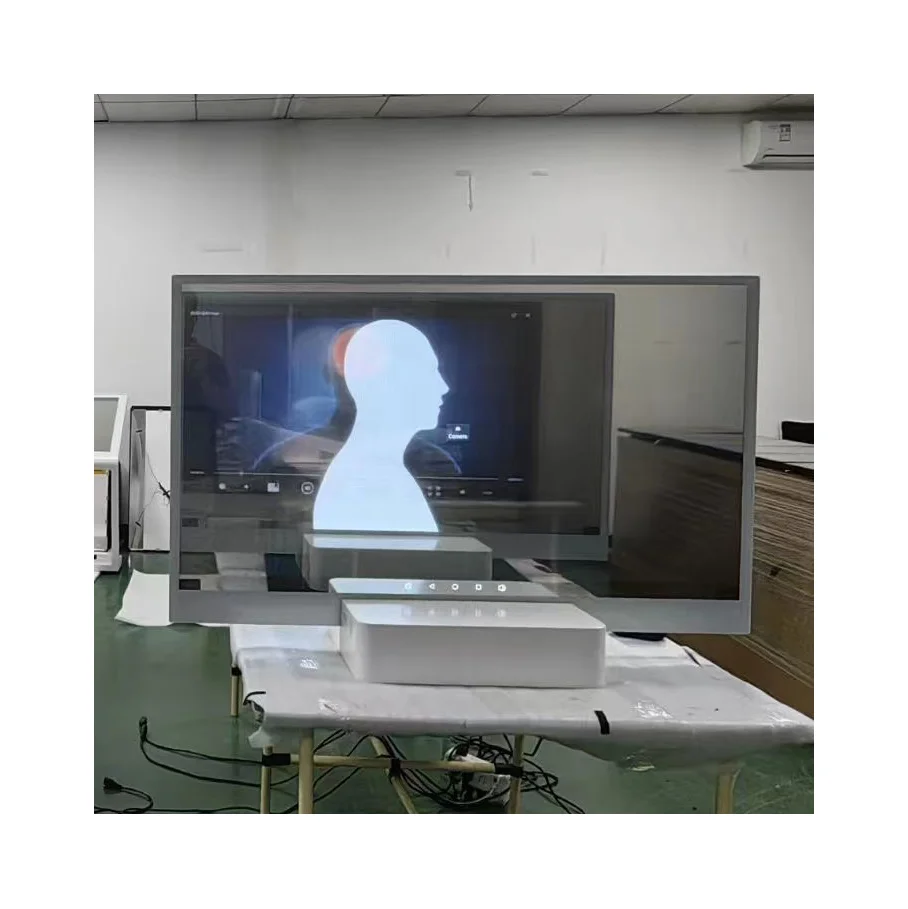
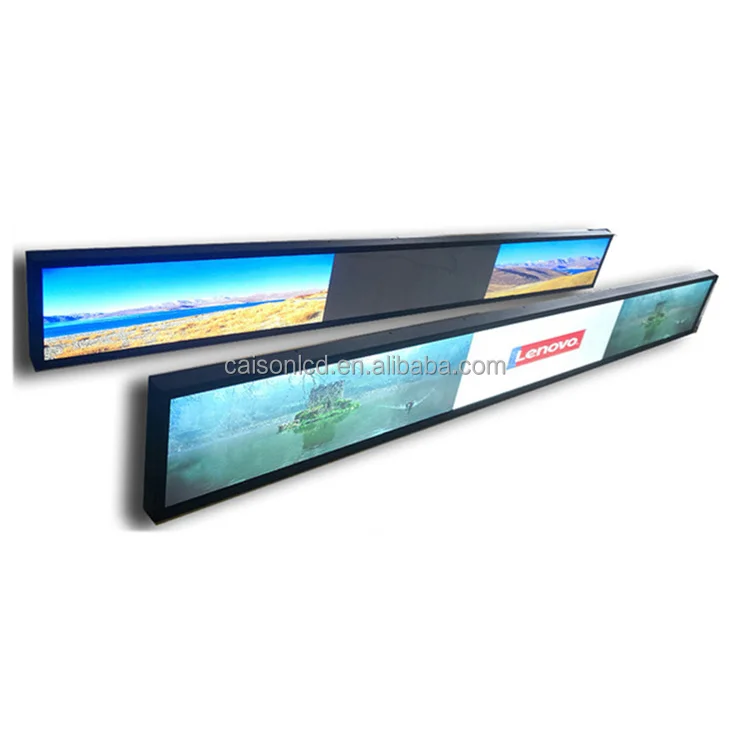
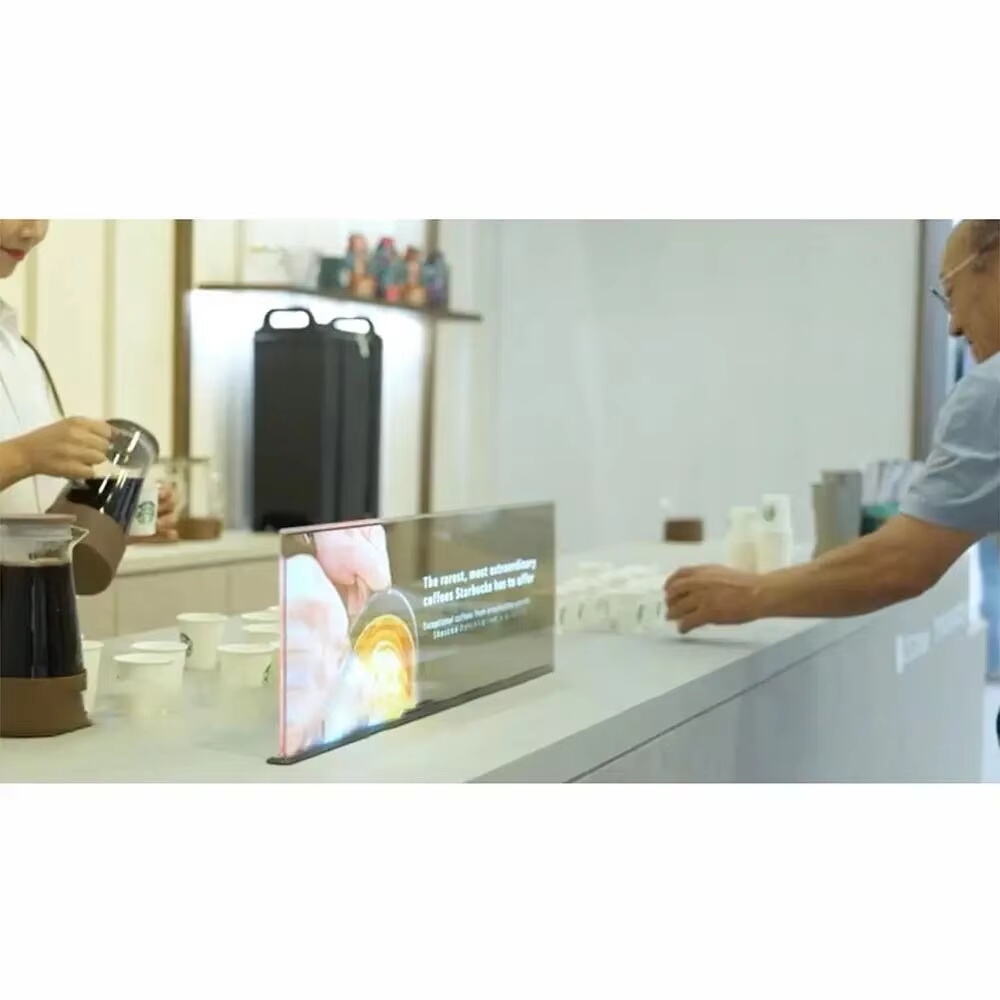
Shop window advertising represents a revolutionary approach to retail marketing that transforms traditional storefront displays into dynamic, engaging customer touchpoints. This innovative advertising medium combines cutting-edge digital technology with strategic visual merchandising to create compelling brand experiences that capture attention and drive foot traffic. Modern shop window advertising systems integrate high-resolution LED displays, interactive touchscreens, and smart sensors to deliver personalized content that responds to viewer demographics and behavior patterns. The primary function of shop window advertising extends beyond simple product showcasing to encompass brand storytelling, promotional campaigns, and real-time customer engagement. These sophisticated systems utilize advanced software platforms that enable retailers to remotely manage content, schedule campaigns, and analyze performance metrics across multiple locations. The technological backbone includes weather-resistant displays, motion detection sensors, facial recognition capabilities, and cloud-based content management systems that ensure seamless operation in various environmental conditions. Key applications span across retail sectors including fashion boutiques, electronics stores, restaurants, automotive dealerships, and entertainment venues. The versatility of shop window advertising allows businesses to adapt messaging based on time of day, seasonal trends, special events, or inventory changes. Integration with social media platforms enables real-time content updates and user-generated content display, creating authentic connections with potential customers. Advanced analytics provide valuable insights into viewer engagement, dwell time, and conversion rates, enabling data-driven optimization of advertising strategies. The system supports multiple content formats including video advertisements, product catalogs, live social media feeds, and interactive games that encourage customer participation. Modern installations feature energy-efficient components, automated brightness adjustment, and remote monitoring capabilities that ensure optimal performance while minimizing operational costs and maintenance requirements for sustainable business operations.

 EN
EN