Versatile Installation and Integration Capabilities
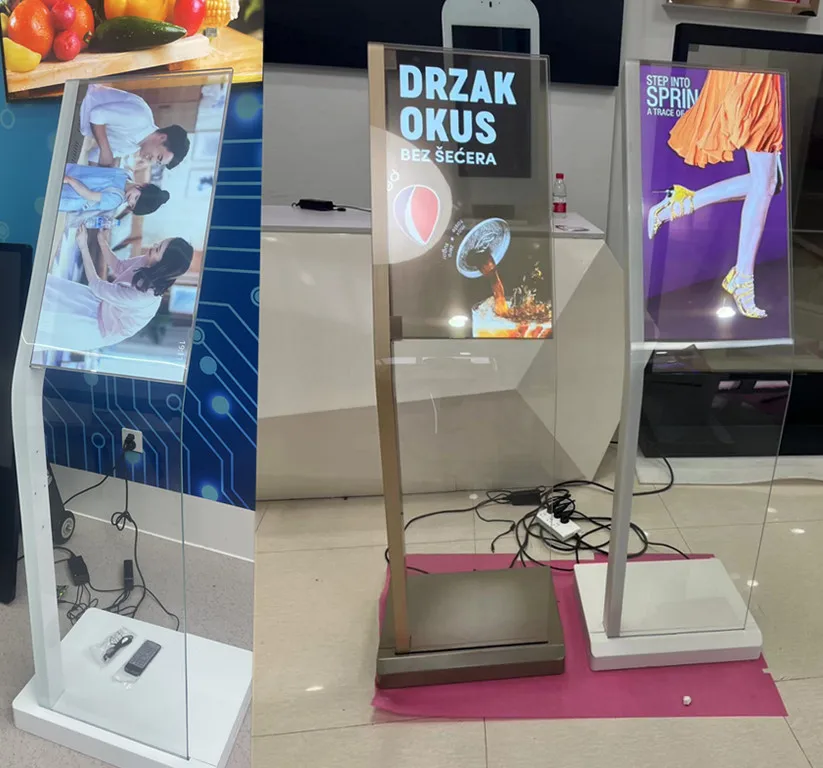
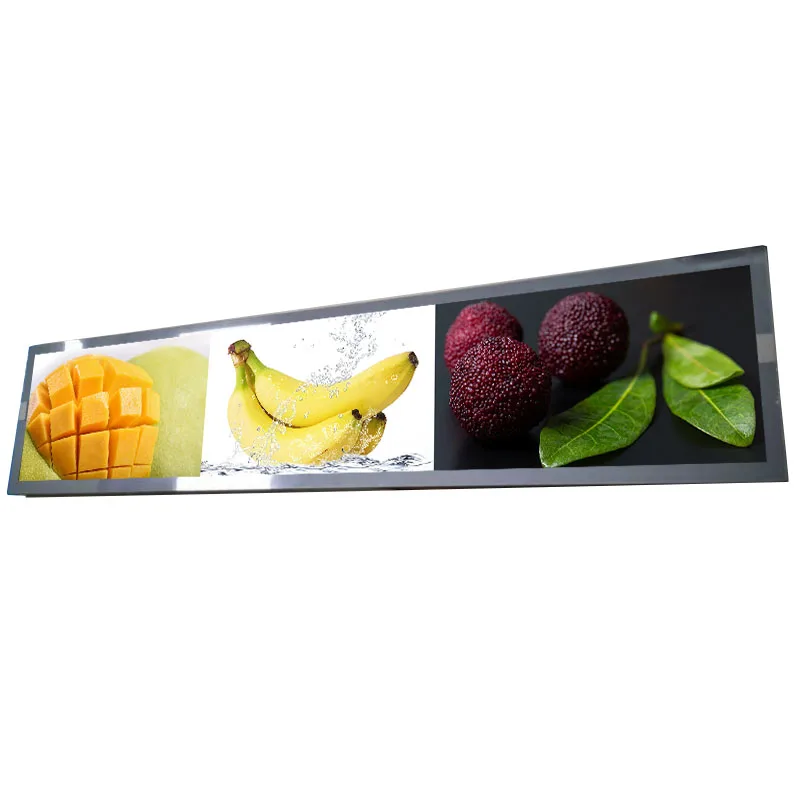
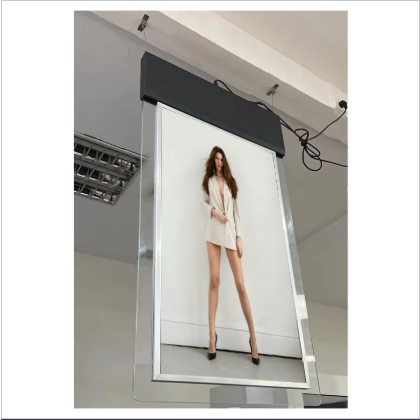
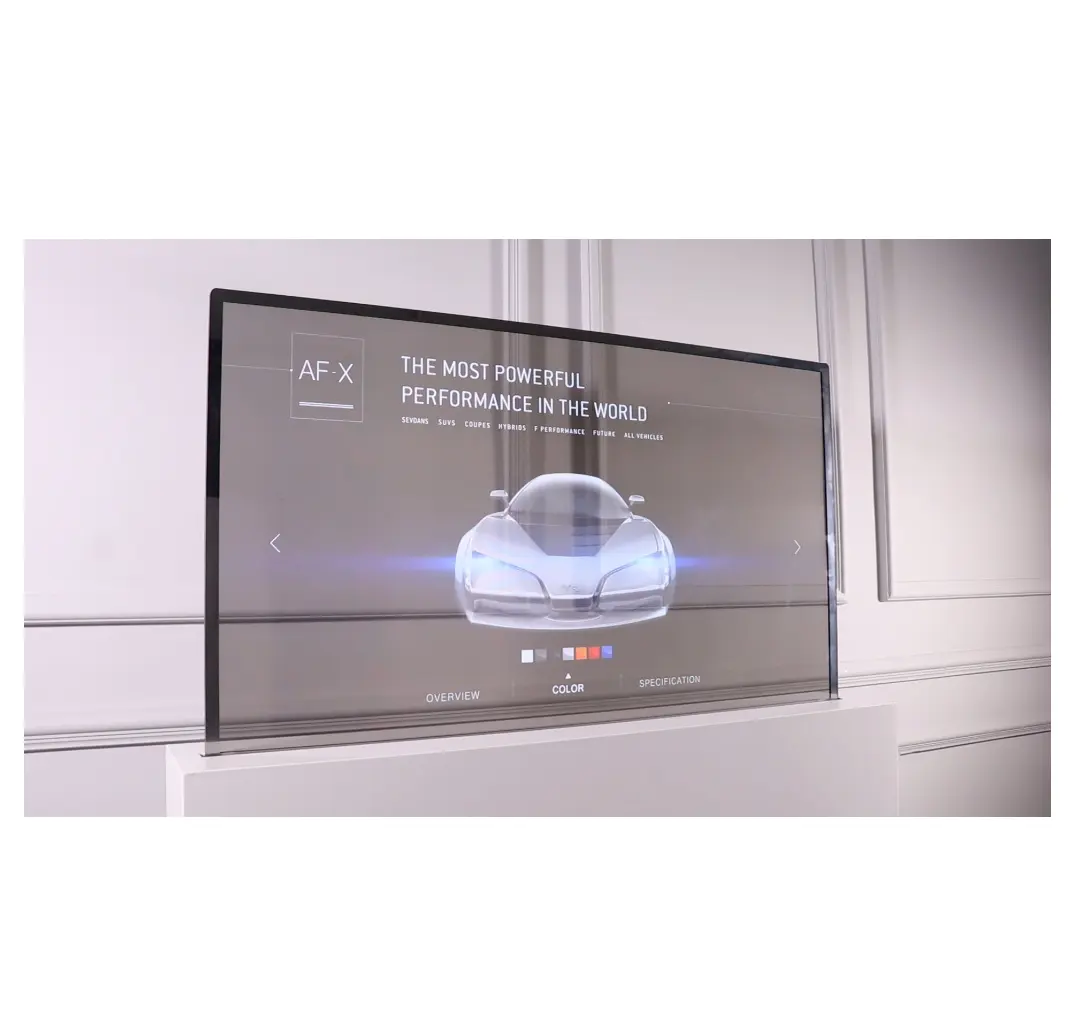
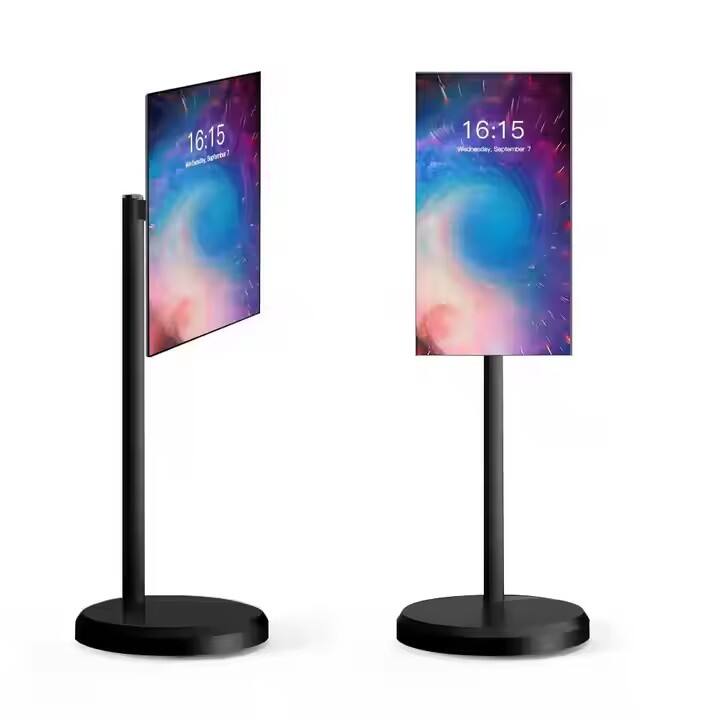
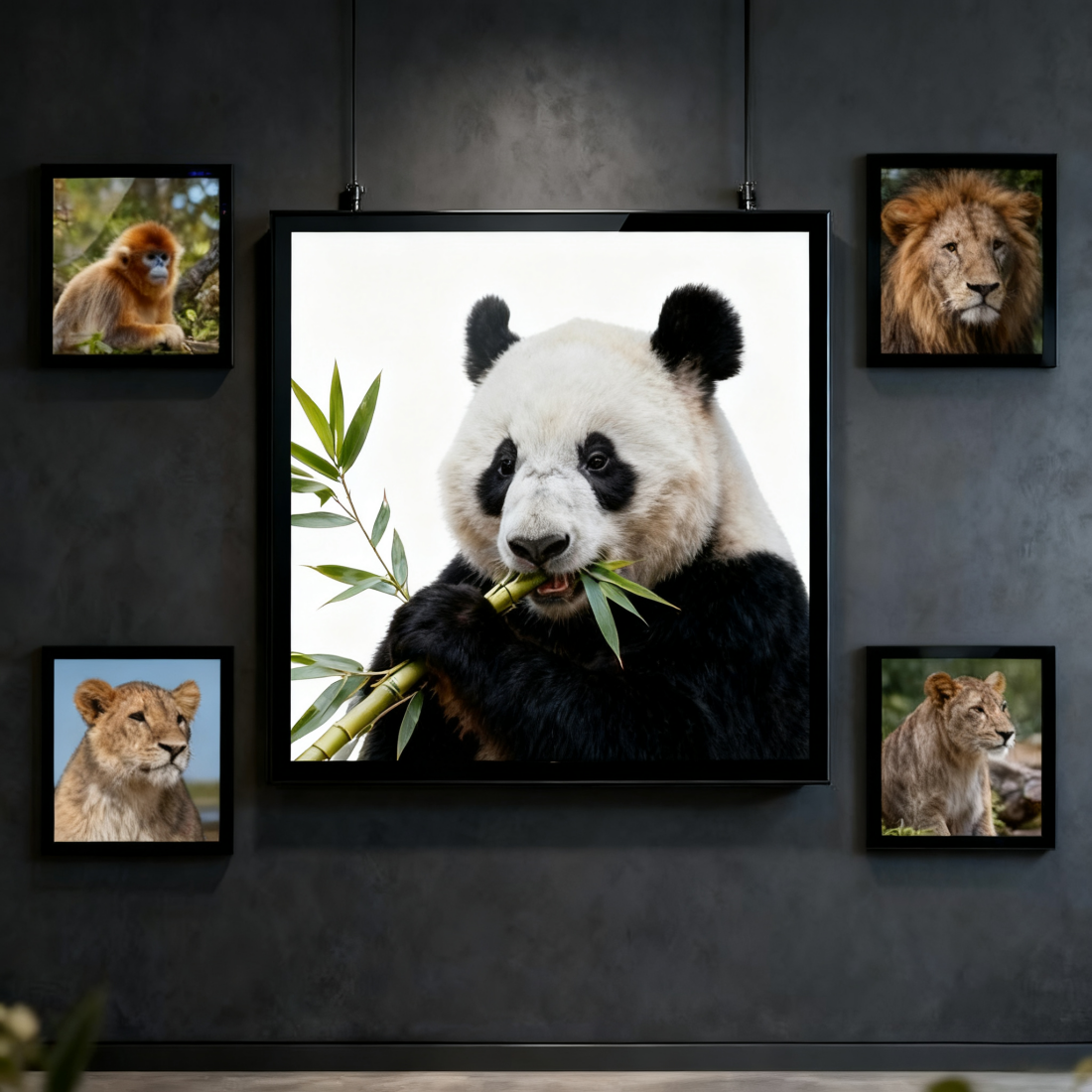
Stretched bar displays excel in their remarkable adaptability to diverse installation environments and seamless integration with existing infrastructure systems. The unique form factor of these displays opens up installation possibilities that were previously impossible with conventional digital signage solutions, allowing businesses to maximize their communication reach in spaces with challenging dimensional constraints. The slim profile and lightweight construction of stretched bar displays make them suitable for ceiling mounting, wall installation, shelf integration, and even custom fixture embedding without requiring extensive structural modifications or reinforcement. Installation versatility extends to various mounting orientations, with stretched bar displays capable of operating in horizontal, vertical, or even angled positions depending on specific application requirements. This flexibility proves invaluable in retail environments where displays need to conform to existing architecture, in transportation settings where space is at a premium, and in corporate environments where aesthetic considerations are paramount. The displays can be recessed into walls, suspended from ceilings, or mounted as freestanding units, providing designers and architects with unprecedented creative freedom in integrating digital signage into their projects. Technical integration capabilities of stretched bar displays encompass multiple connectivity options that ensure compatibility with existing audiovisual and network infrastructure. HDMI inputs support high-definition content delivery, while USB ports enable local content playback and system updates. Ethernet connectivity facilitates network-based content management and remote monitoring, while wireless capabilities including Wi-Fi and Bluetooth provide additional flexibility for content delivery and system control. Many stretched bar displays also feature RS-232 and RS-485 serial connections for integration with building automation systems and third-party control platforms. Power management features enhance installation convenience through efficient power consumption and flexible power input options. Many models support Power over Ethernet functionality, eliminating the need for separate power connections and simplifying cable management. Built-in scheduling capabilities allow displays to automatically power on and off according to predetermined schedules, reducing energy consumption and extending display lifespan. Remote management capabilities enable system administrators to monitor display status, update content, and troubleshoot issues from centralized locations, minimizing on-site maintenance requirements. Software integration capabilities include compatibility with major content management systems, digital signage platforms, and custom application programming interfaces that enable seamless incorporation into existing business workflows and communication strategies.

 EN
EN