digital outdoor screens
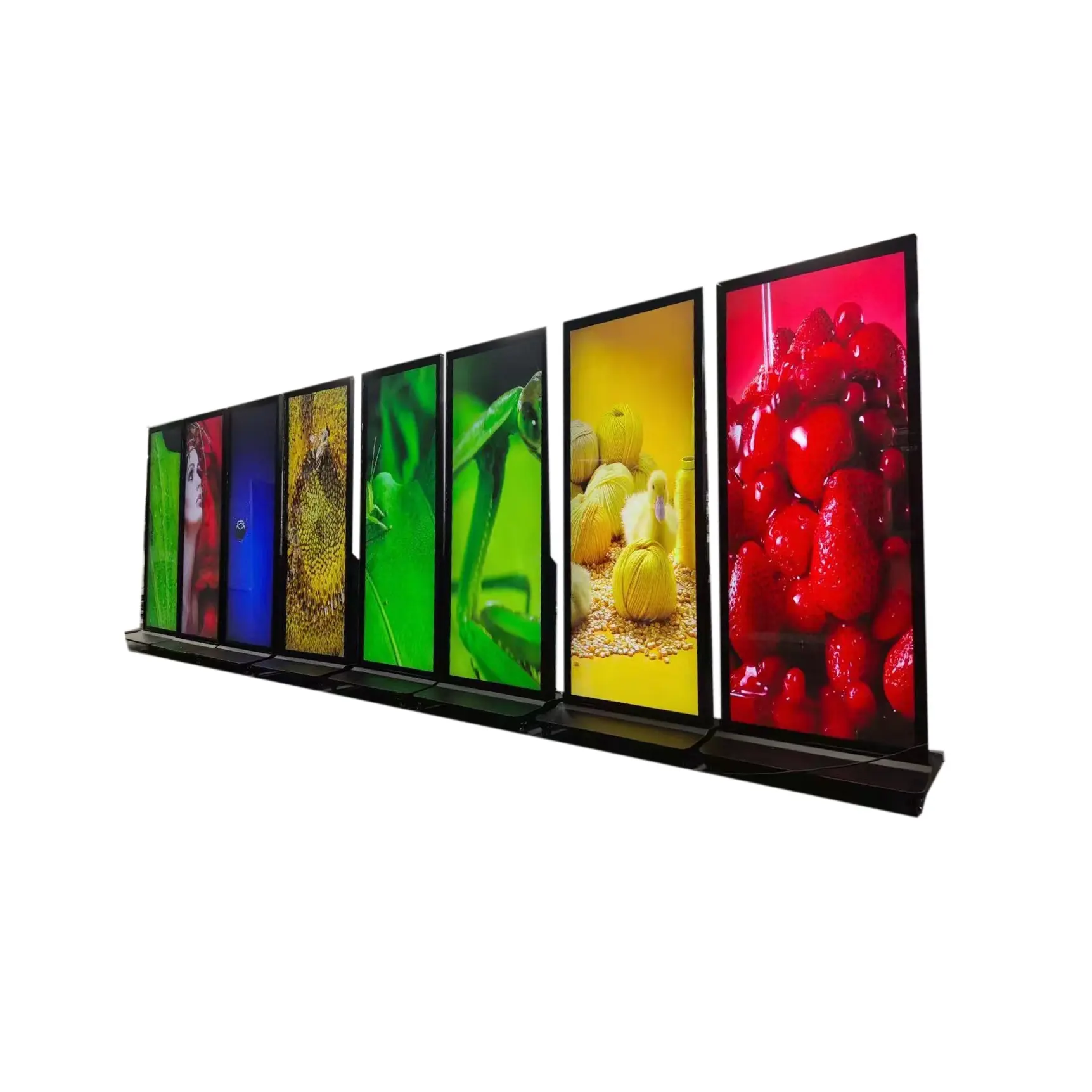
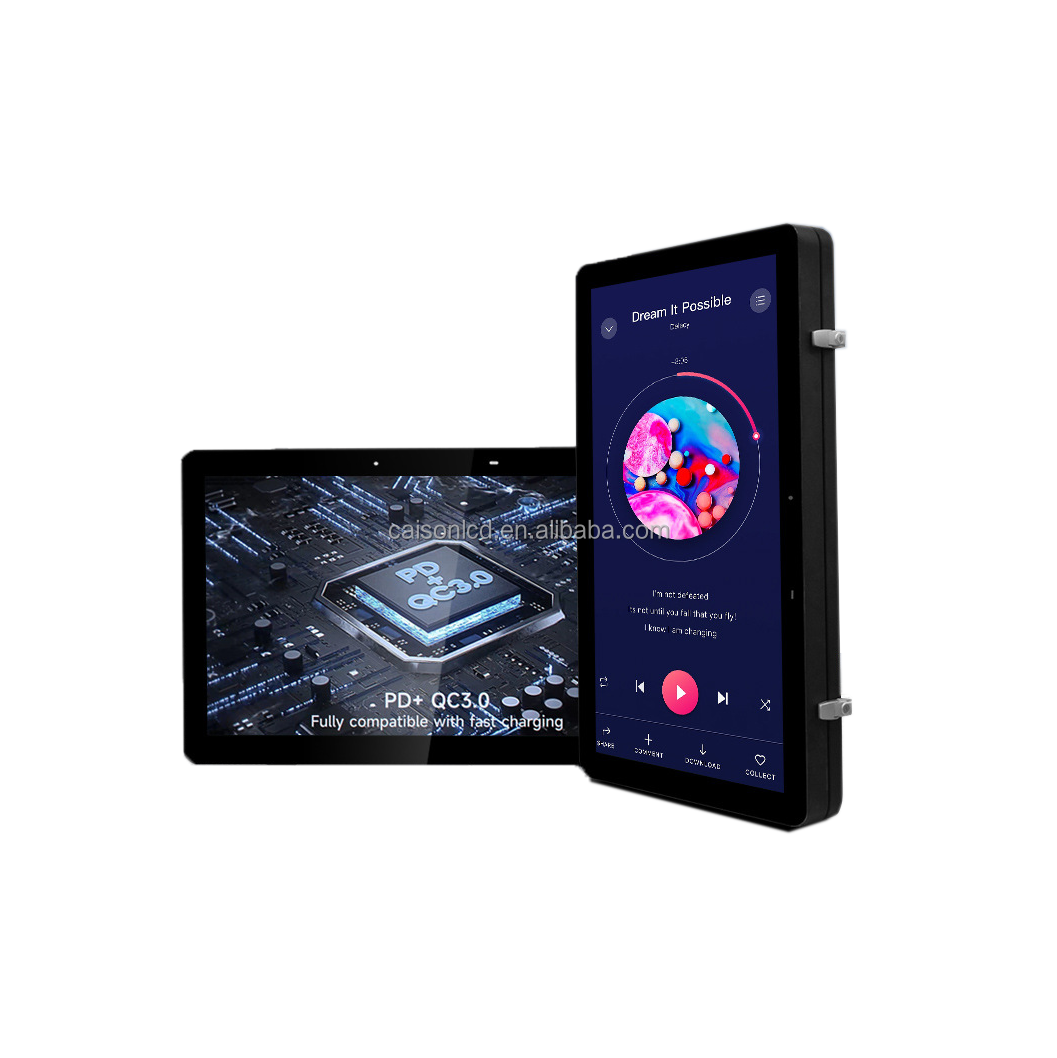
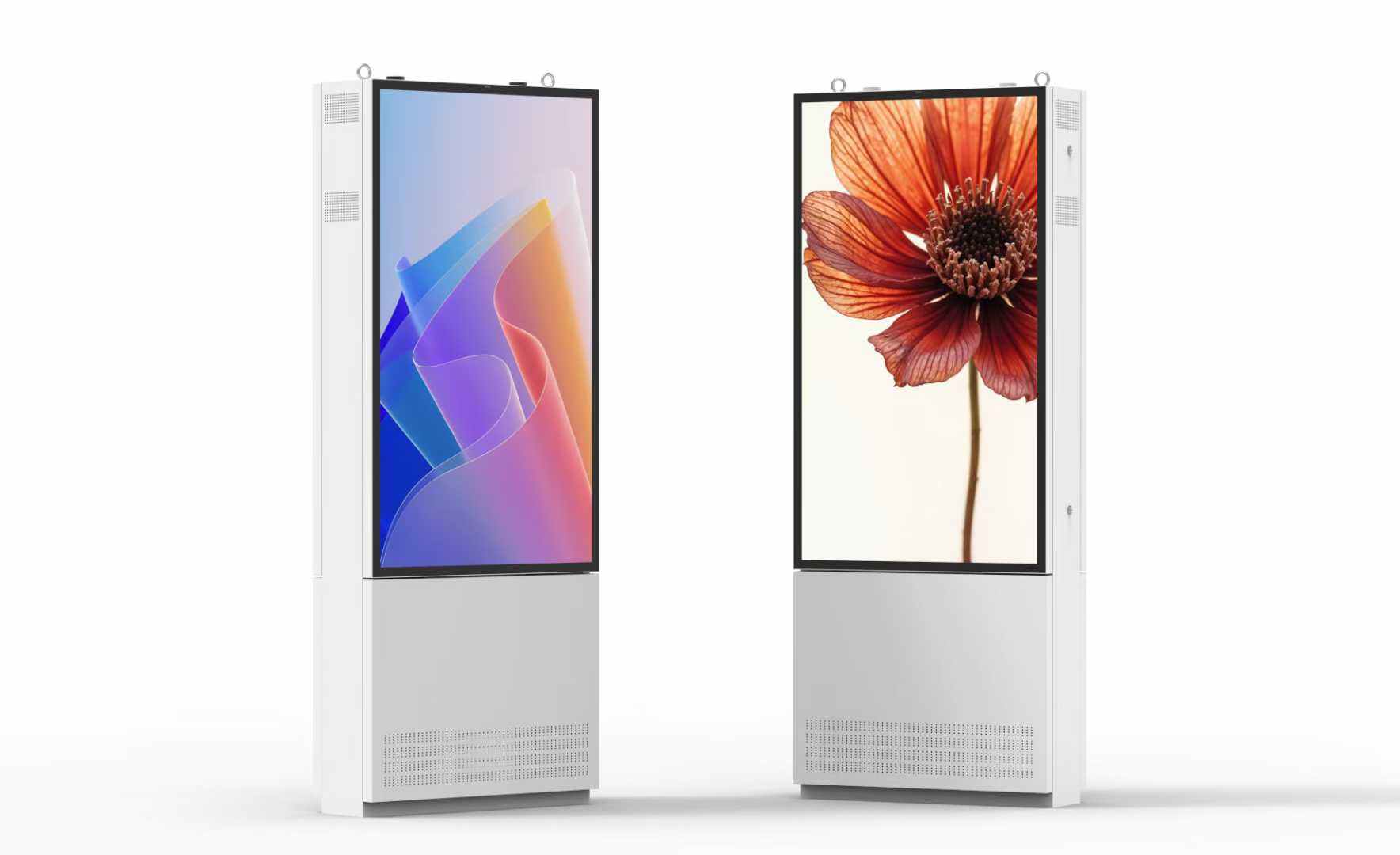
Digital outdoor screens represent a revolutionary advancement in modern advertising and information display technology, transforming how businesses communicate with their target audiences in public spaces. These sophisticated electronic displays utilize cutting-edge LED technology to deliver vibrant, high-resolution visual content that captures attention and engages viewers effectively. Unlike traditional static billboards or posters, digital outdoor screens offer dynamic content capabilities that allow real-time updates, animated graphics, and multimedia presentations that significantly enhance message impact and viewer engagement. The core functionality of digital outdoor screens centers around their ability to display customizable content remotely through cloud-based management systems. This technology enables businesses to instantly update promotional messages, share time-sensitive information, and adapt their marketing strategies based on current events or seasonal campaigns. The screens feature advanced weatherproofing mechanisms that ensure reliable operation in various environmental conditions, including rain, snow, extreme temperatures, and direct sunlight exposure. Modern digital outdoor screens incorporate intelligent brightness adjustment sensors that automatically optimize display visibility throughout different times of day and weather conditions. This adaptive technology ensures optimal viewing experiences while minimizing energy consumption and extending hardware lifespan. The displays support multiple content formats including high-definition videos, static images, live streaming feeds, and interactive elements that create immersive experiences for passersby. Installation flexibility represents another significant technological feature, as digital outdoor screens can be mounted on building facades, freestanding poles, or integrated into architectural structures. The modular design approach allows for customizable screen sizes and configurations to meet specific location requirements and budget considerations. Network connectivity options include WiFi, cellular, and ethernet connections, providing reliable content delivery and remote monitoring capabilities that ensure consistent performance and minimize maintenance requirements.

 EN
EN