Smart Connectivity and Remote Management
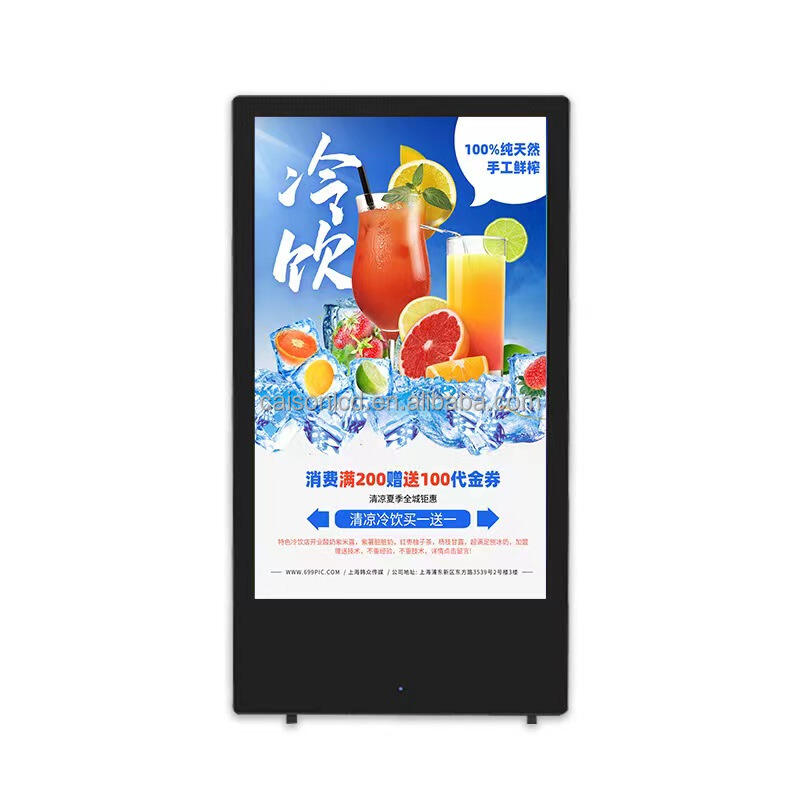
The outdoor display board features comprehensive connectivity solutions that enable seamless integration with existing digital infrastructure while providing flexible content management options for diverse organizational needs. Multiple communication protocols including Ethernet, Wi-Fi, 4G/5G cellular, and satellite connections ensure reliable data transmission regardless of location constraints or local infrastructure limitations, making these systems suitable for remote installations and urban environments alike. Cloud-based content management platforms provide intuitive interfaces that allow authorized users to schedule, upload, and modify display content from any internet-connected device, streamlining operational workflows while reducing the need for on-site technical support and maintenance visits. Real-time monitoring capabilities continuously track system performance metrics including temperature, power consumption, connectivity status, and component health, providing administrators with comprehensive oversight and predictive maintenance alerts that prevent costly failures and minimize downtime. The outdoor display board supports advanced scheduling functions that automatically transition between different content types based on time-of-day, day-of-week, or special event parameters, ensuring appropriate messaging delivery without requiring constant manual intervention or supervision. Integration capabilities extend to third-party systems including traffic management networks, emergency alert systems, social media platforms, and weather services, enabling automatic content updates based on real-time data feeds and external triggers. Security protocols incorporate encryption standards and access control mechanisms that protect sensitive content and prevent unauthorized system manipulation while maintaining compliance with data protection regulations and industry standards. Remote diagnostic tools enable technical support teams to troubleshoot issues, update firmware, and optimize performance without dispatching service personnel, significantly reducing operational costs and response times for maintenance requirements. The content delivery network architecture ensures efficient bandwidth utilization through compressed file transmission and local caching mechanisms, minimizing data usage costs while maintaining high-quality content presentation. Advanced user permission systems allow multiple administrators with varying access levels, ensuring proper content approval workflows while maintaining security and accountability throughout the organization. Emergency override capabilities provide immediate access for urgent communications, bypassing normal scheduling protocols to deliver critical safety information or time-sensitive announcements when circumstances demand immediate public notification.

 EN
EN