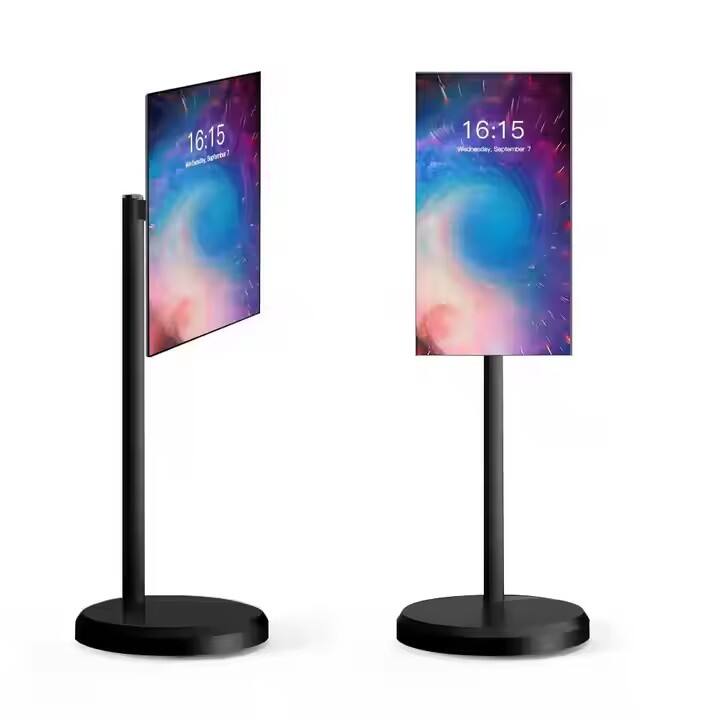
small square screen
The small square screen represents a revolutionary display technology that combines compact design with powerful functionality. These innovative displays typically measure between 1 to 5 inches diagonally, featuring a perfect square aspect ratio that maximizes visual content within minimal space. Modern small square screens utilize advanced LCD, OLED, or E-ink technologies to deliver crisp, clear images with exceptional color accuracy and brightness levels. The technological foundation of small square screens incorporates high-resolution pixel density, often exceeding 300 pixels per inch, ensuring sharp text and vibrant graphics even at close viewing distances. These displays integrate seamlessly with various control systems through multiple connectivity options including SPI, I2C, and parallel interfaces. Touch-sensitive capabilities are frequently embedded within small square screen designs, enabling intuitive user interaction through capacitive or resistive touch technology. Power consumption remains remarkably low, with many models operating on just 3.3V to 5V DC power supplies, making them ideal for battery-powered applications. The durability of small square screens is enhanced through robust construction materials including tempered glass surfaces and reinforced mounting systems. Temperature resistance allows operation in extreme conditions ranging from -40°C to +85°C, ensuring reliable performance across diverse environments. Applications for small square screens span numerous industries including consumer electronics, automotive displays, medical devices, industrial control panels, smart home systems, wearable technology, and IoT devices. In smartwatches, small square screens provide essential information display while maintaining elegant aesthetics. Industrial applications leverage these screens for status monitoring, parameter adjustment, and system diagnostics. The automotive sector integrates small square screens into dashboard displays, infotainment systems, and driver assistance interfaces. Medical equipment utilizes these displays for patient monitoring, diagnostic readouts, and treatment parameter visualization. Smart home devices incorporate small square screens for thermostat controls, security system interfaces, and appliance status indicators.

 EN
EN