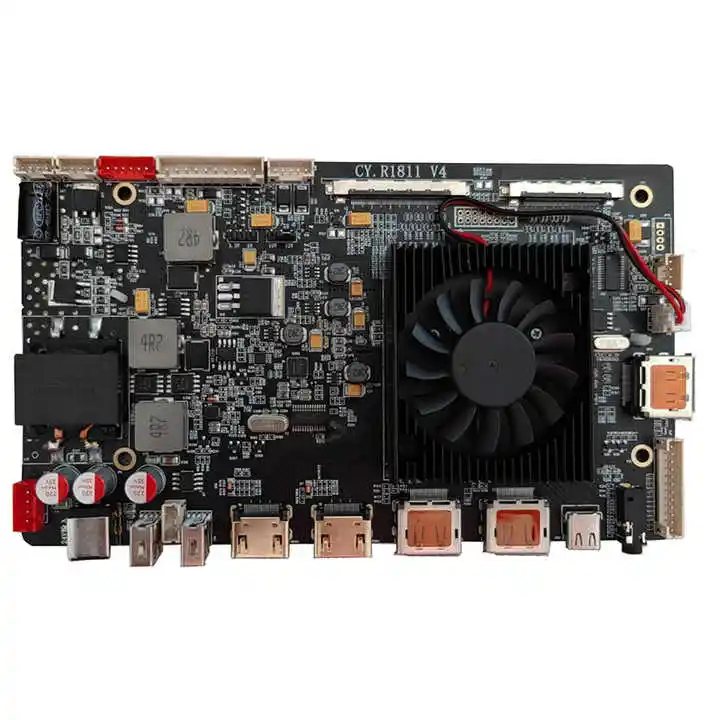
Ultra Thin Transparent OLED Displays - Revolutionary See-Through Technology for Modern Applications

All Categories

ultra thin transparent oled

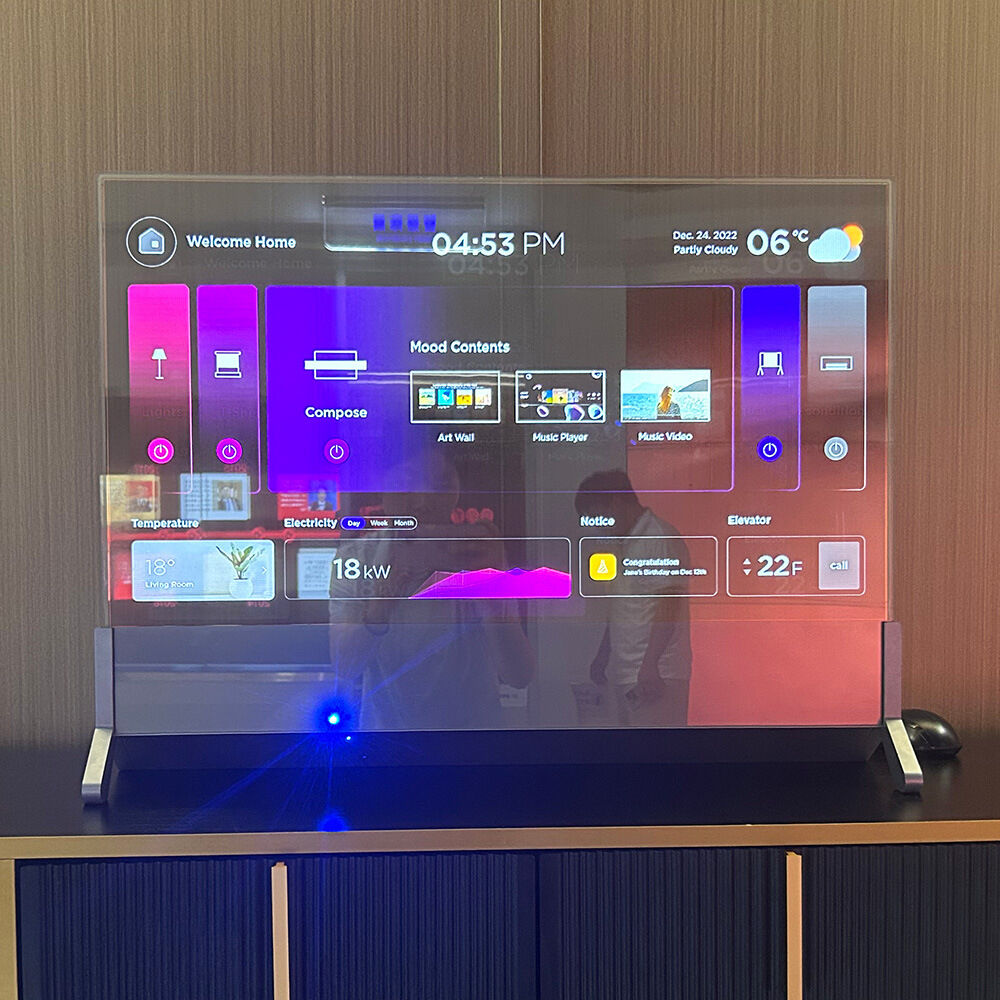
Ultra thin transparent OLED represents a revolutionary advancement in display technology, combining unprecedented visual clarity with remarkable transparency and ultra-slim form factors. This cutting-edge technology utilizes organic light-emitting diodes arranged in an incredibly thin substrate, typically measuring less than 1mm in thickness while maintaining exceptional transparency levels of up to 85 percent. The ultra thin transparent OLED operates without requiring backlighting, as each individual pixel generates its own light when electrical current passes through the organic compounds. This self-illuminating characteristic enables the display to achieve perfect black levels and infinite contrast ratios while preserving the see-through functionality that makes transparent displays so compelling. The manufacturing process involves depositing organic semiconductor materials onto flexible or rigid transparent substrates using advanced vapor deposition techniques. These ultra thin transparent OLED panels can display vibrant colors, sharp text, and dynamic content while allowing users to simultaneously view objects or environments behind the screen. The technology supports both active and passive display modes, meaning content can be displayed when needed while maintaining complete transparency when not in use. Key technological features include wide viewing angles up to 170 degrees, rapid response times under 1 millisecond, and energy-efficient operation that consumes significantly less power than traditional LCD displays. The ultra thin transparent OLED technology also supports touch functionality, enabling interactive experiences without compromising the transparent aesthetics. Applications span across retail environments for digital signage and product showcases, automotive industries for heads-up displays and smart windows, architectural integration for intelligent building facades, and consumer electronics for futuristic smartphone designs and augmented reality devices. The versatility of ultra thin transparent OLED makes it suitable for museums displaying historical artifacts with digital information overlays, restaurants creating immersive dining experiences, and corporate environments enhancing presentation capabilities.

New Product Recommendations

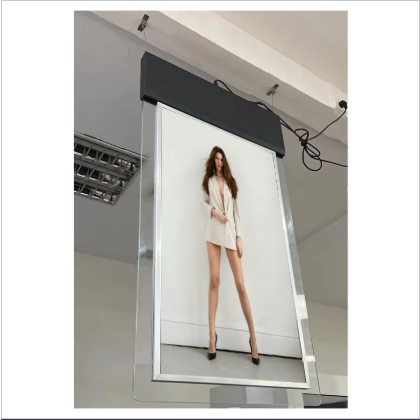
The ultra thin transparent OLED offers compelling advantages that transform how we interact with digital content and physical spaces. Energy efficiency stands as a primary benefit, with these displays consuming up to 40 percent less power compared to conventional LCD screens. This reduction occurs because ultra thin transparent OLED pixels only draw power when displaying bright content, while dark areas consume virtually no energy. The absence of backlighting systems further reduces power consumption, making these displays ideal for battery-powered applications and environmentally conscious installations. Space optimization represents another significant advantage, as the ultra-slim profile measuring less than 1mm thickness allows integration into previously impossible locations. Designers can incorporate these displays into glass surfaces, mirrors, windows, and architectural elements without adding bulk or compromising aesthetics. Installation flexibility surpasses traditional displays since ultra thin transparent OLED panels can be mounted flush against surfaces or suspended in mid-air, creating floating display effects that captivate audiences. Visual performance exceeds expectations with superior color reproduction covering over 100 percent of the sRGB color gamut and brightness levels reaching 400 nits while maintaining transparency. The contrast ratios achieve infinite levels due to true black pixel states, resulting in stunning image quality that rivals premium television displays. Response times under 1 millisecond eliminate motion blur and ghosting effects, making ultra thin transparent OLED perfect for video content and interactive applications. Durability proves exceptional as these displays resist scratching, impacts, and environmental factors better than traditional glass displays. The organic materials used in ultra thin transparent OLED construction provide natural flexibility, reducing breakage risks during handling and installation. Maintenance requirements remain minimal since these displays lack complex backlighting systems and mechanical components that typically require servicing. Cost-effectiveness improves over time as the extended lifespan of ultra thin transparent OLED displays, often exceeding 50,000 hours of operation, reduces replacement frequencies. The transparent functionality eliminates the need for separate display mounting structures, reducing overall installation costs and complexity while maximizing spatial utilization.

Practical Tips

The Digital Trend: How Signage is Changing with Technology

18

Sep

The Digital Trend: How Signage is Changing with Technology

The Evolution of Visual Communication in the Digital Age In the modern world, businesses and public spaces are constantly seeking innovative ways to communicate with audiences. Traditional signage, once static and limited, has undergone a dramatic tr...
View More
Can High Brightness LCD Displays Be Customized?

17

Oct

Can High Brightness LCD Displays Be Customized?

Understanding High Brightness LCD Technology in Modern Display Solutions The evolution of display technology has brought us to an era where high brightness LCD displays have become essential in various applications, from outdoor digital signage to in...
View More
Digital Signage: Enhancing Visibility and Experience

27

Nov

Digital Signage: Enhancing Visibility and Experience

Transforming Modern Communication Through Dynamic Displays Digital signage has revolutionized how businesses and organizations communicate with their audiences. From vibrant retail displays to interactive information boards in corporate settings, the...
View More
The Future of Display is See-Through: Transparent OLED

27

Nov

The Future of Display is See-Through: Transparent OLED

The digital signage industry is witnessing a revolutionary transformation with the emergence of transparent OLED technology. These innovative displays are redefining how businesses showcase content while maintaining visual transparency, creating imme...
View More

Get a Free Quote

Our representative will contact you soon.
Email
Name
Company Name
Message
0/1000

ultra thin transparent oled

Unmatched Transparency with Vivid Display Quality

Unmatched Transparency with Vivid Display Quality

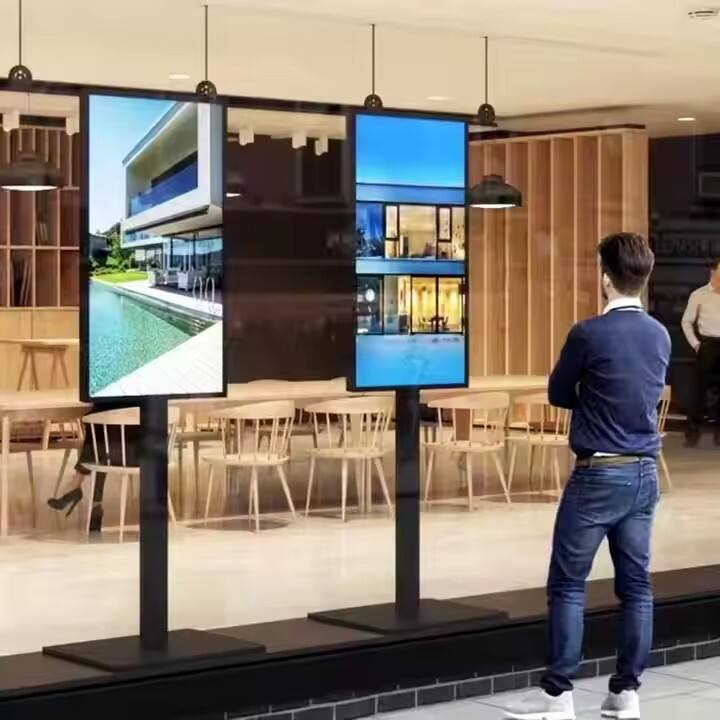
The ultra thin transparent OLED achieves an remarkable balance between high transparency and exceptional display performance, delivering up to 85 percent light transmission while maintaining vibrant, sharp visual content. This technological breakthrough stems from the innovative arrangement of organic light-emitting materials that occupy minimal space within the display matrix, allowing maximum light passage through non-active areas. When pixels are inactive, they become virtually invisible, creating a crystal-clear transparent effect that preserves natural lighting and environmental visibility. The transparency level can be dynamically adjusted based on content requirements, enabling displays to shift from completely transparent states to semi-transparent or fully opaque modes depending on the application needs. This flexibility makes ultra thin transparent OLED ideal for retail environments where products behind the display need visibility while digital content provides information or advertising messages. The display quality remains uncompromised despite the transparent functionality, with color accuracy reaching professional-grade standards and brightness levels sufficient for various lighting conditions. Advanced pixel arrangements ensure uniform transparency across the entire display surface, eliminating the patchy or uneven transparency issues common in other transparent display technologies. The ultra thin transparent OLED maintains consistent visual performance from multiple viewing angles, ensuring content remains clearly visible whether viewed straight-on or from sides. This characteristic proves crucial for public installations where audiences approach from different directions. The transparency feature also enables creative applications such as augmented reality overlays, where digital content appears to float in real space, creating immersive experiences that blend physical and digital worlds seamlessly. Restaurant windows can display menu information while maintaining views of outdoor scenery, and museum display cases can provide detailed information about artifacts without obstructing visitor views. The technology's ability to maintain transparency while delivering high-quality visuals opens possibilities for architectural integration, smart home applications, and futuristic interface designs that were previously impossible with conventional display technologies.
Revolutionary Ultra-Thin Design Enabling Seamless Integration

Revolutionary Ultra-Thin Design Enabling Seamless Integration

The ultra thin transparent OLED breakthrough lies in its incredibly slim profile of less than 1mm thickness, revolutionizing how displays integrate into modern environments and applications. This ultra-thin construction results from advanced manufacturing processes that eliminate bulky components like backlighting systems, thick glass substrates, and complex mounting hardware typically required by conventional displays. The streamlined design allows ultra thin transparent OLED panels to be embedded directly into surfaces, creating flush installations that appear as natural extensions of existing structures rather than added components. This seamless integration capability transforms possibilities for interior design, architectural elements, and product development across numerous industries. In automotive applications, ultra thin transparent OLED displays can be integrated into windshields, side windows, and dashboard elements without adding weight or altering vehicle aerodynamics. The slim profile enables these displays to conform to curved surfaces and irregular shapes, adapting to design requirements that would be impossible with thicker display technologies. Smart home installations benefit enormously from this ultra-thin design, as displays can be incorporated into mirrors, kitchen backsplashes, bathroom fixtures, and furniture elements without disrupting aesthetic harmony or requiring significant structural modifications. The lightweight nature of ultra thin transparent OLED panels, typically weighing 80 percent less than equivalent LCD displays, reduces mounting requirements and enables suspended installations that create floating display effects. Manufacturing advantages emerge from the simplified construction, as fewer components reduce production complexity and potential failure points while improving overall reliability. The ultra-thin design also facilitates flexible and foldable display configurations, opening possibilities for curved installations, wraparound displays, and innovative form factors that adapt to unique spatial requirements. Installation costs decrease significantly due to reduced mounting hardware requirements and simplified electrical connections. The minimal thickness allows multiple ultra thin transparent OLED panels to be layered without creating excessive depth, enabling multi-layer display systems for complex visual presentations and interactive experiences that would be impractical with thicker display technologies.
Energy-Efficient Self-Illuminating Technology for Sustainable Operations

Energy-Efficient Self-Illuminating Technology for Sustainable Operations

Ultra thin transparent OLED technology delivers exceptional energy efficiency through its self-illuminating pixel architecture, eliminating the need for power-hungry backlighting systems while providing superior visual performance and sustainable operation. Each pixel in an ultra thin transparent OLED display generates its own light when activated, consuming power only when displaying bright content and drawing virtually no energy when showing dark colors or remaining transparent. This fundamental advantage results in power consumption reductions of up to 60 percent compared to traditional LCD displays, making ultra thin transparent OLED ideal for continuous operation applications where energy costs and environmental impact matter significantly. The organic light-emitting materials respond instantly to electrical signals, achieving response times under 1 millisecond while maintaining energy-efficient operation throughout the display lifecycle. Battery-powered applications benefit tremendously from this efficiency, as portable devices incorporating ultra thin transparent OLED displays achieve extended operation times without increasing battery capacity or weight. The self-illuminating characteristic also eliminates the heat generation associated with backlighting systems, reducing cooling requirements and further decreasing overall energy consumption. This thermal efficiency makes ultra thin transparent OLED suitable for enclosed installations and temperature-sensitive environments where heat dissipation poses challenges. Smart building applications leverage the energy efficiency for continuous information displays, wayfinding systems, and architectural elements that operate 24/7 without significantly impacting facility energy budgets. The technology supports intelligent brightness adjustment based on ambient lighting conditions, automatically optimizing power consumption while maintaining optimal visibility. Dark mode operation becomes truly energy-efficient with ultra thin transparent OLED, as pixels displaying black content consume zero power, enabling applications to implement power-saving display modes without compromising functionality. Solar-powered installations become feasible due to the low power requirements, expanding deployment possibilities for remote locations and outdoor applications. The extended operational lifespan of ultra thin transparent OLED displays, often exceeding 50,000 hours of continuous operation, reduces replacement frequencies and associated environmental waste. Manufacturing energy requirements also decrease due to simplified production processes that eliminate energy-intensive backlighting component assembly and testing procedures, contributing to overall sustainability throughout the product lifecycle from production through disposal.

Get a Free Quote

Our representative will contact you soon.
Email
Name
Company Name
Message
0/1000